Expert opinion on the drug Mexidol®

This section contains videos with the opinions of leading experts of the Russian Federation, which details the issues of effective comprehensive therapy of patients after a stroke, coronaviral infection, with chronic brainstream and degenerative diseases of the spine, presented the features of elderly and coomorbitis patients, and also presents data on the effectiveness of the efficiency Mexidol® in therapy of such patients.

Nosology filter

Filter on the topics

All videos

The brain in focus of arterial hypertension

Announcement:

Arterial hypertension is associated not only with increased cardiovascular risk but also with chronic brain damage. One clinically significant consequence can be cognitive impairment, which often develops gradually and remains underdiagnosed for a long time.

This video examines current understanding of the brain as a target organ in arterial hypertension (AH), the main mechanisms of cerebrovascular injury, and the relationship between AH and cognitive decline. Approaches to comprehensive therapy aimed at supporting cognitive function in patients with this condition are also discussed.

The discussion focuses on:

  • the role of hypertension in the development of chronic cerebrovascular injury
  • pathophysiological mechanisms of cognitive impairment in hypertension
  • the importance of early prevention and timely therapeutic correction
  • pharmacological approaches to comprehensive brain protection
  • MEMO study data: proven improvement in cognitive functions with the use of a sequential treatment regimen with Mexidol®.

This material will be useful for physicians who want to gain a deeper understanding of neuroprotection in hypertension and update their approaches to managing patients with cognitive decline.

Watch the video

The brain in focus of arterial hypertension

Lecturer: Evgeniya Viktorovna Yekusheva , MD, Professor, Head of the Department of Nervous System Diseases and Neurorehabilitation, Academy of Postgraduate Education, Federal Scientific and Clinical Center of the Federal Medical and Biological Agency of Russia

Peculiarities of managing elderly patients

Announcement:

The management of geriatric patients has long gone beyond the simple selection of drugs—it is a systemic problem that requires a rethinking of medical thinking.

In the new video:

Polypharmacy as an iatrogenic disaster.
Prescribing multiple medications simultaneously has become routine. We explore how to recognize medication overdose under the guise of "age-related changes."

Selection criteria: working algorithms.
Selection of therapy taking into account age-related characteristics of drug pharmacokinetics and concomitant comorbid pathology.

New nomenclature, new rules.
How does the recently published Russian Government decree on the nomenclature of medical workers change the approach to caring for elderly patients, and what does this mean for practicing physicians?

"Healthy Aging": From Concept to Protocol
What does this term actually mean and how to transition a patient from "living out" to maintaining quality of life.

Briefly, to the point.

Watch the video

Peculiarities of managing elderly patients

Mkhitaryan Elen Araikovna
PhD, Associate Professor, Department of Aging Diseases, Faculty of Continuing Professional Education, N.I. Pirogov Russian National Research Medical University, Russian Gerontological Scientific and Clinical Center
The brain is a key target organ for treatment of cerebrovascular risks

Announcement:

Arterial hypertension is a systemic process, and the brain is one of the first to suffer. Microangiopathy, endothelial dysfunction, and decreased perfusion all trigger a cascade of changes long before clinical manifestations become apparent.

Why you should watch this video:

Hypertension as a Factor in Brain Damage
. Hypertension damages cerebral vessels at the microcirculatory level before damage to other target organs manifests. Chronic hypoperfusion, vascular remodeling, and endothelial dysfunction form the basis for vascular cognitive impairment (CI).

Cognitive impairment in hypertension: diagnostic minimum
Cognitive deficit in hypertension often remains outside the scope of medical attention - the patient complains of "absent-mindedness" or "fatigue", which are attributed to age or asthenia.

Neuroprotection as a mandatory component of therapy.
Blood pressure control and antihypertensive therapy are necessary, but not sufficient, conditions for protecting the brain. A therapeutic strategy aimed at restoring microcirculation, improving neuronal metabolism, and stabilizing the endothelium is required.

Place of ethylmethylhydroxypyridine succinate
Analysis of the clinical effects of the drug in the context of neuroprotection in cerebrovascular pathology: effect on microcirculation, antioxidant effect, stabilization of neuronal membranes.

Brief, with a focus on clinical practice.

Watch the video

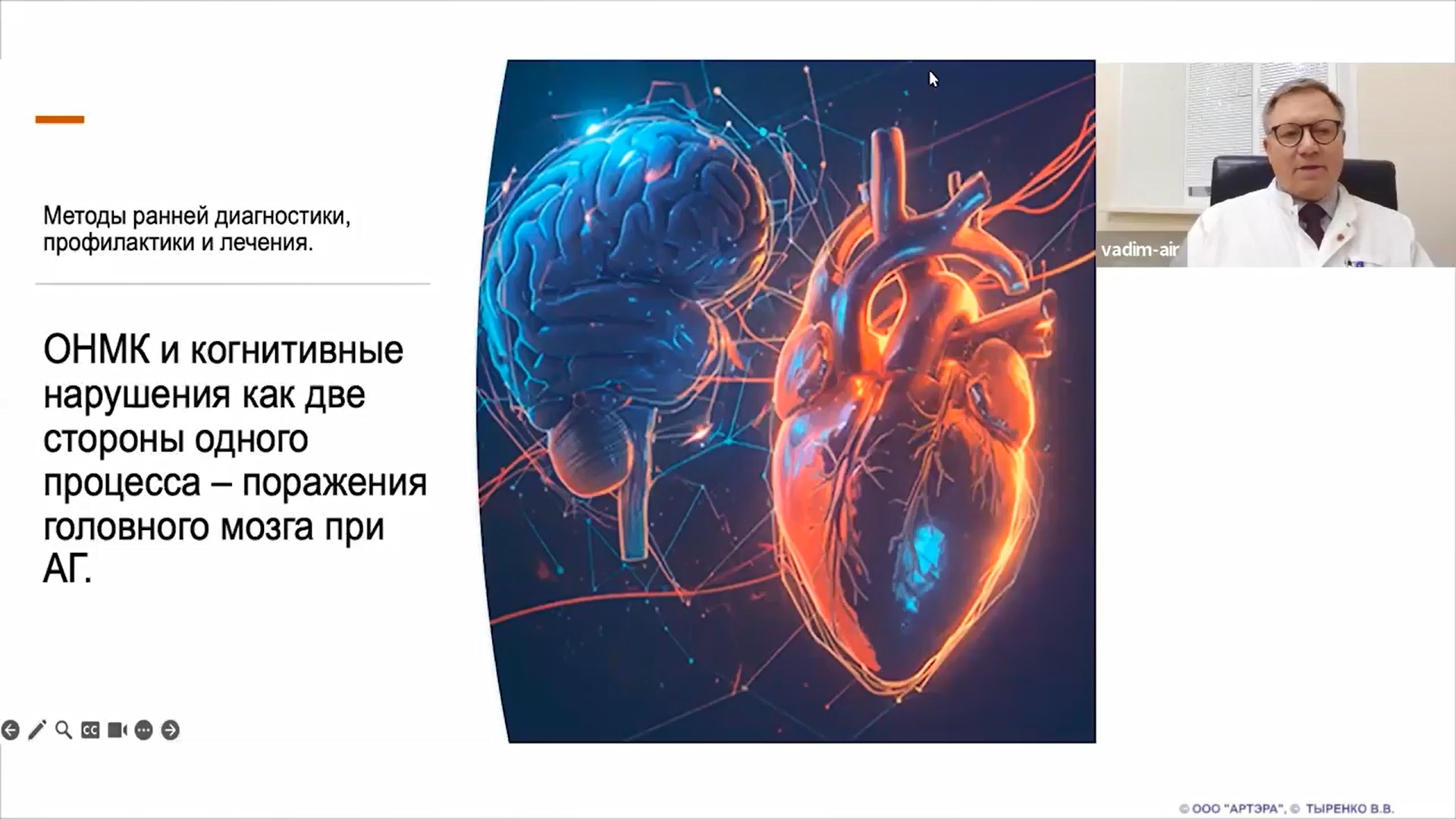
The brain is a key target organ for treatment of cerebrovascular risks

Tyrenko Vadim Vitalievich
Doctor of Medical Sciences, Professor, Head of the Department of Faculty Therapy at the S.M. Kirov Military Medical Academy, Chief Cardiologist of the Russian Ministry of Defense, Chief Pulmonologist of the Health Committee of the Government of St. Petersburg
Mexidol as a geroprotector: potential and prospects
Announcement:

Increased life expectancy inevitably leads to an increased incidence of chronic pathologies. The brain is the primary target of age-related involution.

In the new video:

Geroprotection today:
Modern developments in the field of neurorehabilitation are capable of not only treating, but also slowing the aging of nervous tissue.

Oxidative stress as a driver of brain aging
Mitochondrial dysfunction and oxidative stress trigger a cascade of neurodegeneration long before clinical manifestations.

Mexidol in Focus
Mexidol® as a neuroprotector: effect on microcirculation, antioxidant protection, stabilization of neuronal membranes in the context of age-associated changes.

Short and to the point.

Watch the video

Mexidol as a geroprotector: potential and prospects

Fedin Anatoly Ivanovich
Doctor of Medical Sciences, Professor Emeritus, Director of the University Clinic of Neurology, N.I. Pirogov Russian National Research Medical University, Ministry of Health of the Russian Federation, Honored Doctor of the Russian Federation
Neuroprotection in arterial hypertension and cognitive impairment

Announcement:

In a new video lecture, Professor V.V. Tyrenko presented a comprehensive analysis of one of the key issues in cardio-neurology: neuroprotective strategies for patients with arterial hypertension and cognitive impairment. The path from risk factors to evidence-based therapy is explored.

Key blocks:

  •         Hypertension and dementia: Established pathogenetic links and the role of hypertension as a controllable risk factor.
  •         Patient management: Current algorithms for diagnosis and management of cognitive dysfunction and vascular dementia.
  •         Chronic cerebral ischemia (CCI): Current classification, risk factors and the critical role of lifestyle factors.
  •         Diagnosis of cognitive deficit: A review of practical tests and scales for neuropsychological testing in clinical practice.
  •         Inflammation and cognitive impairment: A modern view on the role of systemic inflammation and neuroinflammation in the pathogenesis of cognitive impairment.
  •         Resolution of the expert council on the use of neuroprotectors in hypertension and analysis of the evidence base.
  •         The place of the drug Mexidol® based on clinical trial data, mechanisms of action and expected neuroprotective effects in the context of pathogenetic treatment.

Why is this lecture important?
This material combines cutting-edge scientific concepts (inflammaging, evidence-based neuroprotection) with specific practical recommendations. You'll gain not only an understanding of the problem but also a clear action plan: from screening the cognitive status of patients with hypertension and cognitive impairment to informed treatment choices based on the latest expert consensus.

Watch the video

Neuroprotection in arterial hypertension and cognitive impairment

Lecturer: Vadim Vitalievich Tyrenko , MD, Professor, Head of the Department of Faculty Therapy at the S.M. Kirov Military Medical Academy, Chief Cardiologist of the Russian Ministry of Defense, Chief Pulmonologist of the Healthcare Committee of the Government of St. Petersburg
The Connection Between Vascular Diseases of the Brain and Eye: A Neurologist and Ophthalmologist's Perspective

Announcement:

In a joint video lecture, two leading professors—  E.V. Ekusheva and E.A. Egorov —examine a key issue at the intersection of their specialties: the inextricable link between vascular pathologies of the brain and eye. This unique dialogue between the specialists reveals glaucoma not as a localized eye disease, but as a neurovascular disorder.

Key topics of the lecture:

  •         Factors influencing the development and course of glaucoma: The role of systemic hemodynamics, blood pressure, vascular spasm and optic nerve ischemia.
  •         The "night thief" of vision: Pathophysiological mechanisms of progressive and often asymptomatic vision loss in glaucoma.
  •         Modern patient management tactics: A comprehensive approach combining IOP reduction, improved perfusion, and protection of optic nerve neurons.
  •         Regulatory framework for neuroprotective therapy: Legal basis and clinical indications for the use of neuroprotectors in ophthalmology.
  •         Efficacy of Mexidol in glaucoma: Evidence of the effect on microcirculation, metabolism and preservation of visual functions as part of complex therapy.

This presentation is a synthesis of two expert views, creating a holistic understanding of the disease and setting a new standard for an interdisciplinary approach.

Why is this lecture important?
You'll gain a comprehensive understanding of glaucoma, going beyond the perspective of a single specialist. This knowledge is critical for neurologists and physicians to promptly identify risk factors in their patients, and for ophthalmologists to better understand the causes of disease progression and expand therapeutic options through neuroprotection.

Watch the video

The Connection Between Vascular Diseases of the Brain and Eye: A Neurologist and Ophthalmologist's Perspective

Lecturers: Evgeniya Viktorovna Yekusheva, Doctor of Medical Sciences, Professor, Head of the Department of Nervous System Diseases and Neurorehabilitation, Academy of Postgraduate Education, Federal Scientific and Clinical Center of the Federal Medical and Biological Agency of Russia   

Egorov Evgeniy Alekseevich - Doctor of Medical Sciences, Professor, President of the Russian Glaucoma Society, Head. Department of Ophthalmology named after. Academician A.P. Nesterov RNRMU named after. N.I. Pirogov
Ischemic stroke: clinical guidelines and practical aspects

Announcement:

Leading Russian neurologists—Professor E.V. Ekusheva and Associate Professor I.A. Shchukin —are conducting an open professional dialogue dedicated to the key issues in managing patients with ischemic stroke.

Key topics for discussion:

  •         General principles of managing patients with stroke: Modern standards of diagnosis and treatment at different stages of medical care.
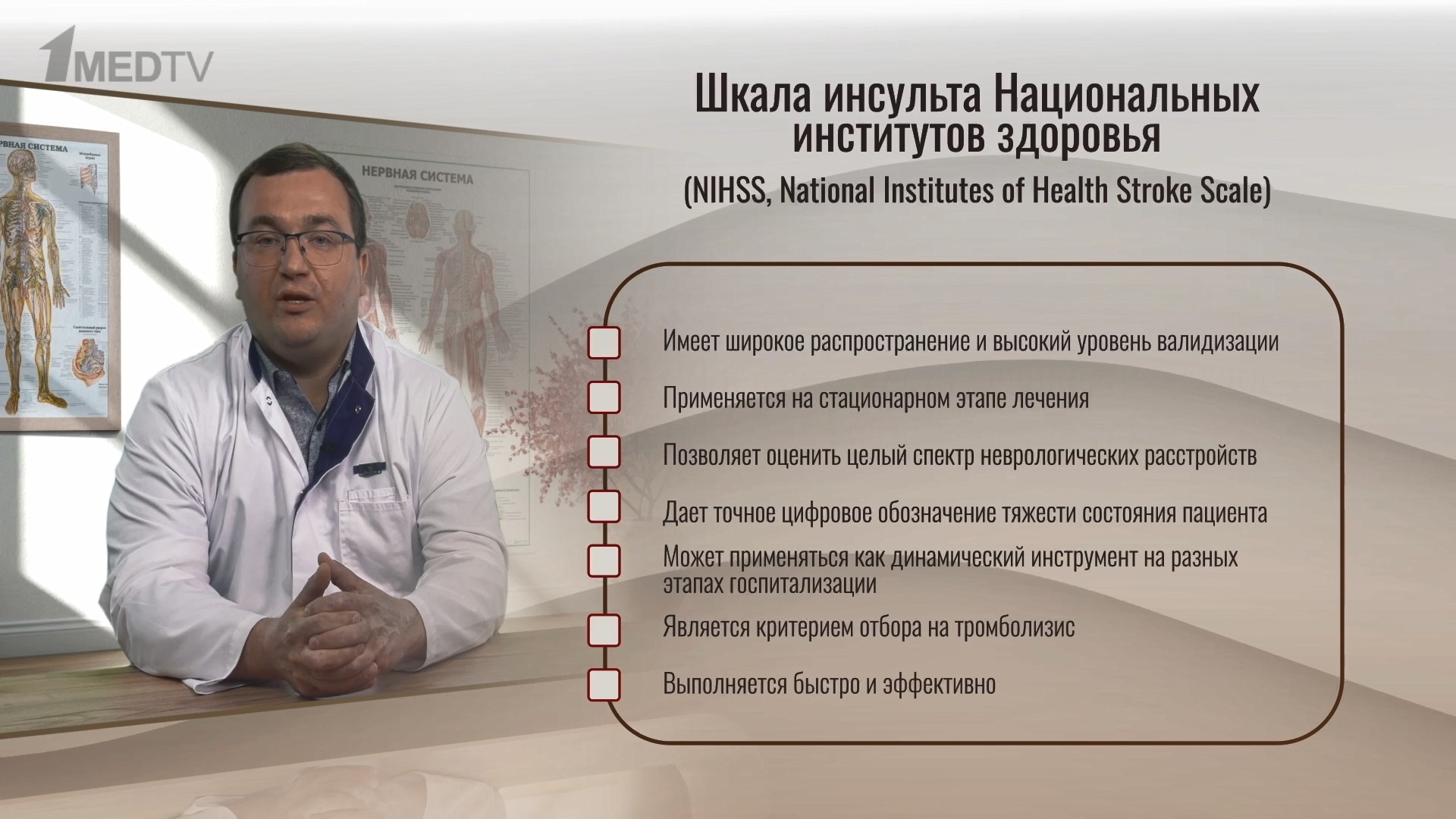
  •         Practical application of scales: which scales for assessing stroke severity and prognosis (NIHSS, Rankin) are the most clinically significant and how to use them for decision-making.
  •         Neuroprotective Therapy: Global Context and Evidence Base. A Critical Analysis of International Approaches and Research.
  •         Portrait of an ideal neuroprotector: what properties should a drug have in terms of the pathogenesis of the ischemic cascade?
  •         Use of Mexidol® in the acute phase of stroke and during recovery: data review, mechanism of action, and its role in combination therapy according to research and clinical guidelines.

This dialogue is a distillation of expert opinion, allowing us to look beyond the formal texts of recommendations and understand the logic behind the decisions made by leading experts.

Why is it important to watch this dialogue?
You will witness a dialogue between clinical neurology experts. This video lecture format allows you to understand recommendations and practical algorithms, and can also help you make the right choice when using neuroprotective medications in real-world clinical practice.

Watch the video

Ischemic stroke: clinical guidelines and practical aspects

Lecturers: Evgeniya Viktorovna Ekusheva, MD, Professor, Head of the Department of Nervous System Diseases and Neurorehabilitation, Academy of Postgraduate Education, Federal Scientific and Clinical Center of the Federal Medical and Biological Agency of Russia;                    Ivan Aleksandrovich Shchukin, MD, PhD, Associate Professor, Department of Neurology, Neurosurgery, and Medical Genetics, Faculty of Medicine, N.I. Pirogov Russian National Research Medical University
NIHSS and mRS: Gold Standards in Neuroscience

Announcement:

We present to you an educational review dedicated to the key assessment scales in neurology: the NIHSS (National Institutes of Health Scale) and the modified Rankin Scale (mRS).

In this video we will analyze:

  1.   Purpose, structure and methodology of using the NIHSS scale in acute cerebrovascular accidents for objective quantitative assessment of neurological deficit
  2.   The role of mRS in assessing functional outcome and long-term disability, global functional outcome and degree of disability.


Key points:

  •         Methodology for application and interpretation of scores.
  •         The role of scales in clinical decision making

This material will be useful for neurologists, neuroresuscitators, rehabilitation specialists, emergency physicians, medical students, and anyone interested in evidence-based approaches to medicine.

Clinical neurology at its core. Watch the video

Watch the video

NIHSS and mRS: Gold Standards in Neuroscience

Lecturer: Ketevan Sergeevna Meshkova , PhD, Associate Professor of the Department of Neurology, Neurosurgery and Medical Genetics of the Institute of Neurosciences and Neurotechnology of the N.I. Pirogov Russian National Research Medical University of the Ministry of Health of the Russian Federation.
Cognitive impairment caused by arterial hypertension: from clinical guidelines to practical algorithms

Announcement:

Cognitive impairment in arterial hypertension is a hidden but critical problem that significantly impacts patients' quality of life and places a significant burden on the healthcare system. In this video lecture, Evgeniya Viktorovna Yekusheva Associate Professor of the Department of Neurology, Neurosurgery, and Medical Genetics at the Institute of Neurosciences and Neurotechnology at the Pirogov Russian National Research Medical University Ketevan Sergeevna Meshkova, will discuss the importance of following clinical guidelines and timely transitioning to practical algorithms.

In this video you will find answers to key questions:

  • Why is the brain the first target in arterial hypertension?

Mechanisms of development of arteriosclerosis and hypertensive angiopathy, making vessels functionally inactive.

  • How to avoid missing patients with cognitive impairments in primary healthcare?

Use of simple screening methods: clock drawing test, MMSE and MoCA scales, Schulte tables to assess cognitive status in outpatient settings.

  • What is the basis of sequential neuroprotective therapy?

Results of large studies by EPICA and MEMO on the use of the drug Mexidol in patients with cognitive impairment.

  • What is the importance of an interdisciplinary approach?

Experts will discuss the patient management algorithm from initial screening to specialized care, criteria for referral to a vascular surgeon upon detection of stenotic processes, and their impact on cognitive function.

This material is a ready-to-use guide for physicians of all specialties, emphasizing that stage 1 hypertension increases the risk of vascular dementia by fourfold, and stage 2 hypertension by sixfold. Understanding these figures transforms daily medical practice, turning routine blood pressure measurement into a critical tool for preventing cognitive impairment and making timely diagnosis and treatment of cognitive impairment a clinical priority that cannot be neglected.

Watch the video

Cognitive impairment caused by arterial hypertension: from clinical guidelines to practical algorithms

Evgeniya Viktorovna Yekusheva , Doctor of Medical Sciences, Professor, Head of the Department of Nervous System Diseases and Neurorehabilitation at the Academy of Postgraduate Education of the Federal Scientific and Clinical Center of the Federal Medical and Biological Agency of Russia

Meshkova Ketevana Sergeevna - PhD, Associate Professor of the Department of Neurology, Neurosurgery and Medical Genetics of the Institute of Neurosciences and Neurotechnology of the N.I. Pirogov Russian National Research Medical University of the Ministry of Health of the Russian Federation
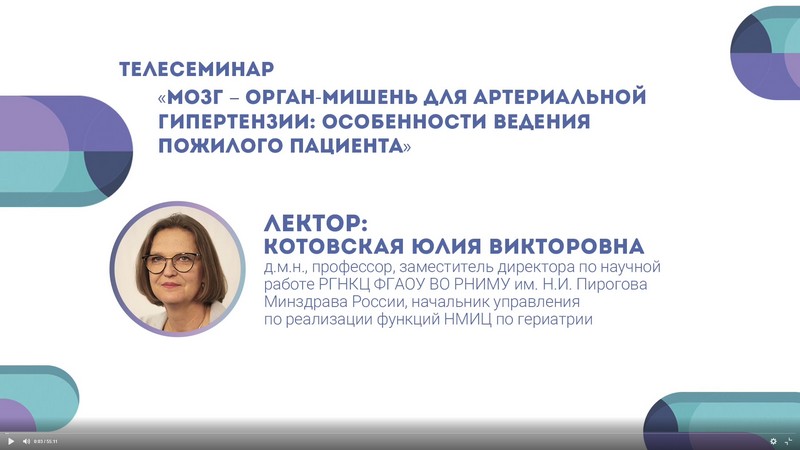
The brain is a target organ for arterial hypertension: features of management of the elderly patient

Announcement:

We present to you a report by Professor Yulia Viktorovna Kotovskaya, Deputy Director for Research at the Russian Gerontology Research and Clinical Center—a topical presentation on the management of patients with hypertension in the elderly.

  • Why is hypertension the main threat to brain health, not just the heart and kidneys?
  • Why is cognitive impairment not a sign of aging, but the first sign of brain damage in hypertension?
  • How can early diagnosis prevent progression to dementia?

The video lecturediscusses in detail the importance of cognitive screening:

  • ESC 2023 Guidelines: Assessment of cognitive function in patients with hypertension;
  • Use of MoCA and MMSE in outpatient practice;
  • Screening is mandatory for elderly patients.

Key risk factors for cognitive impairment:

  • Systolic blood pressure level >130 mmHg;
  • High BP variability is a major predictor of dementia;
  • Duration of uncontrolled hypertension.

Features of therapy in elderly patients:

  • Stable blood pressure control is more important than its level;
  • Minimizing variability is key to preventing cognitive decline;
  • The need for an integrated approach: basic therapy + neuroprotection.

Key takeaway: Neuroprotection is not an option, but a necessity, so supporting brain reserve and improving quality of life is crucial.

Watch the report to:

  • Learn to identify cognitive impairment at the preclinical stage;
  • Understand how to manage an elderly patient with hypertension;
  • Learn how to protect your brain from progressive damage.

The video lecture is mandatory viewing for therapists, cardiologists, neurologists and general practitioners.

Watch the video

The brain is a target organ for arterial hypertension: features of management of the elderly patient

Yulia Viktorovna Kotovskaya , Doctor of Medical Sciences, Professor, Deputy Director for Research at the Russian Scientific and Clinical Center of the Federal State Autonomous Educational Institution of Higher Education, the N.I. Pirogov Russian National Research Medical University of the Ministry of Health of the Russian Federation, and Head of the Department for the Implementation of the Functions of the National Medical Research Center for Geriatrics
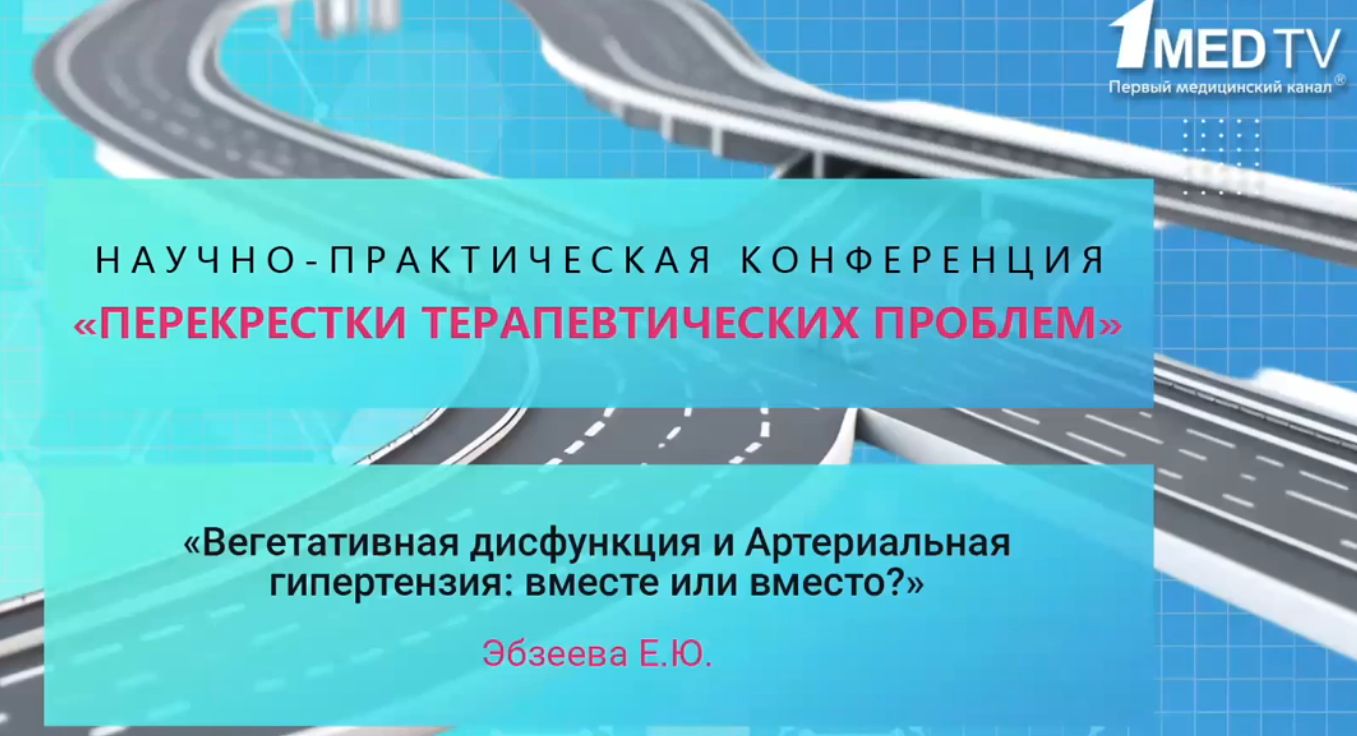
 

Autonomic dysfunction and arterial hypertension: together or instead?

Announcement:

We invite you to a presentation by Associate Professor, General Practitioner, and Psychotherapist Elizaveta Yuryevna Ebzeevaon the relationship between autonomic dysfunction and arterial hypertension. This presentation examines the pathogenic mechanisms and modern approaches to therapy.

  • Why is hypersympathicotonia not just tachycardia, but a key driver of the cardiovascular continuum?
  • How does autonomic nervous system dysfunction trigger oxidative stress, systemic inflammation, and endothelial dysfunction?
  • Why does a 10 bpm increase in heart rate increase mortality by 27%?

The video materialexamines in detail the “vicious circle” of mutual aggravation of hypertension and autonomic dysfunction:

  • Hemodynamic effects: vasospasm, increased blood pressure, tachycardia;
  • Metabolic disorders: insulin resistance, dyslipidemia;
  • Systemic inflammation: increase in IL-6, CRP, activation of the immune system;
  • CNS damage: cognitive impairment, anxiety-depressive disorders.

Cognitive impairment is not a late complication, but an early sign of brain damage:

  • They are detected in 73% of patients with hypertension lasting >5 years;
  • The risk of dementia increases already at blood pressure >130/80 mmHg.

Watch the report to:

  • To understand how autonomic dysfunction worsens the prognosis in hypertension;
  • Learn to assess the state of the autonomic nervous system and cognitive functions;
  • Find out why Mexidol is an evidence-based choice.

This video is a must-see for therapists, cardiologists, neurologists, and general practitioners.

Watch the video

Autonomic dysfunction and arterial hypertension: together or instead?

Elizaveta Yuryevna Ebzeeva - PhD, general practitioner, psychotherapist, associate professor of the Department of Therapy and Polymorbid Pathology named after Academician M.S. Vovsi, Federal State Budgetary Educational Institution of Higher Professional Education, Russian Medical Academy of Postgraduate Education, Ministry of Health of the Russian Federation
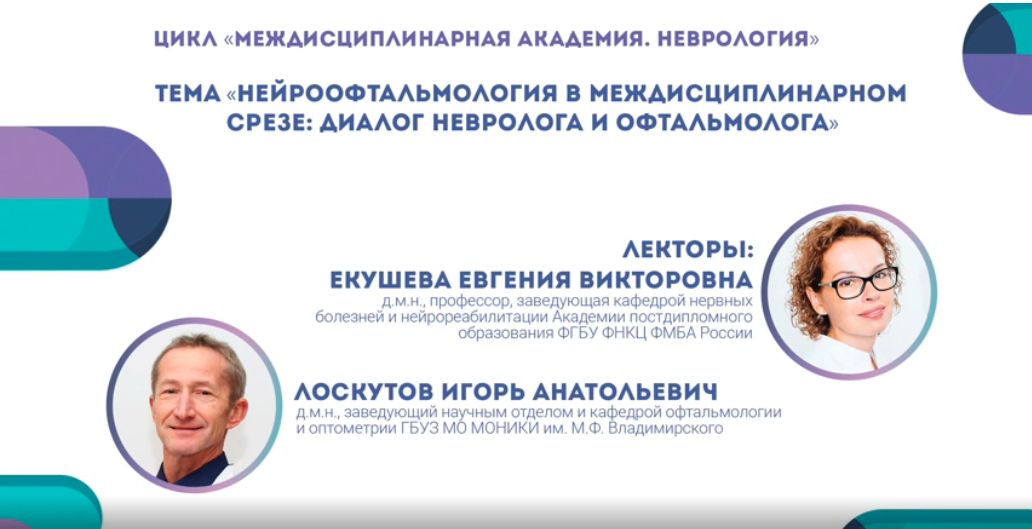
 

Neuro-ophthalmology in an interdisciplinary context: a dialogue between a neurologist and an ophthalmologist

Announcement:

, Professor, Head of the Department of Nervous System Diseases and Neurorehabilitation at the Academy of Postgraduate Education of the Federal Scientific and Clinical Center of the Federal Medical and Biological Agency of Russia, Evgeniya Viktorovna Yekusheva Head of the Research Department and Department of Ophthalmology and Optometry at the Vladimirsky Regional Scientific and Clinical Institute Igor Anatolyevich Loskutov,. The experts' presentation focuses on the relationship between eye and brain diseases.

  • Why is the eye not only an organ of vision, but also a “mirror” of the state of the brain’s blood vessels?
  • How can ocular and neurological pathologies occur in parallel and mask each other?
  • Why is normal tension glaucoma not only an ophthalmological but also a neurological problem?
  • Flammer syndrome - how a violation of microcirculation in the eye reflects systemic vascular disorders;
  • OCT angiography is a breakthrough in visualizing blood flow in the retina and choroid.

The video materialexamines in detail the anatomical and physiological connection:

  • Common blood supply: internal carotid artery → ophthalmic artery → retina and optic nerve;
  • Venous outflow: central retinal vein → cavernous sinus → venous system of the brain;
  • Retrobulbar pressure gradient is a key factor in optic nerve damage.

General pathogenetic mechanisms:

  • Oxidative stress;
  • Violation of vascular autoregulation;
  • Ischemia and neurodegeneration.

Key takeaway: An interdisciplinary approach is key to early diagnosis and prevention of blindness!

Watch the report to:

  • Find out how the eye reflects the state of the brain's blood vessels;
  • Learn to recognize “red flags” during inspection;
  • Understand why collaboration between a neurologist and an ophthalmologist is not an option, but a necessity.

This video is a must-see for neurologists, ophthalmologists, therapists, and general practitioners.

Watch the video

Neuro-ophthalmology in an interdisciplinary context: a dialogue between a neurologist and an ophthalmologist

Evgeniya Viktorovna Yekusheva , Doctor of Medical Sciences, Professor, Head of the Department of Nervous System Diseases and Neurorehabilitation at the Academy of Postgraduate Education of the Federal Scientific and Clinical Center of the Federal Medical and Biological Agency of Russia

Loskutov Igor Anatolyevich - Doctor of Medical Sciences, Head of the Scientific Department and Department of Ophthalmology and Optometry of the State Budgetary Institution of Healthcare of the Moscow Region MONIKI named after. M.F. Vladimirsky
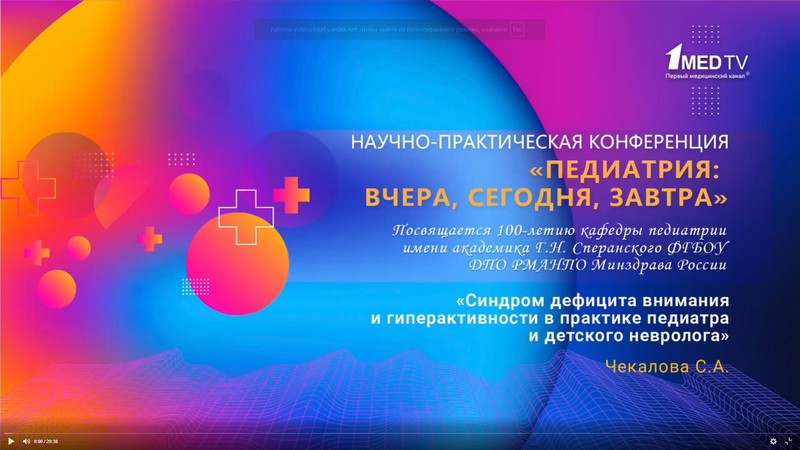
 

Attention deficit hyperactivity disorder in the practice of a pediatrician and child neurologist

Announcement:

We present to you a report by Associate Professor and neurologist Svetlana Aleksandrovna Chekalova on attention deficit hyperactivity disorder (ADHD). This presentation will be useful for pediatricians, child neurologists, psychologists, and speech therapists, and will answer questions such as:

  • Why is ADHD not just a "naughty child" but a lifelong dysfunction of the prefrontal cortex?
  • How do 4–18% of children in Russia suffer from ADHD, yet most remain undiagnosed and untreated?
  • Why do 80% of children with ADHD persist into adulthood, leading to academic and social failure?

The video lectureprovides a detailed analysis of the pathogenesis and clinical features of ADHD:

  • Violation of dopaminergic and serotonergic transmission;
  • Predominance of inattention, hyperactivity or a combined type;
  • Comorbidity: dyslexia, dysgraphia, tics, oppositional defiant disorder.

An integrated approach to therapy is the basis for success:

  • Working with families, teachers, psychologists;
  • Neuropsychological correction and behavioral therapy;
  • Adequate physical activity (sports, physical education).

Watch the report to:

  • Learn to recognize ADHD in its early stages;
  • Understand how to build complex therapy;
  • Find out why Mexidol is an evidence-based choice.

This video lecture is required viewing for pediatricians, child neurologists, psychologists, and developmental specialists.

Watch the video

Attention deficit hyperactivity disorder in the practice of a pediatrician and child neurologist

Svetlana Aleksandrovna Chekalova , MD, PhD, Associate Professor, Neurologist, Family Medical Centers Network No. 1 LLC
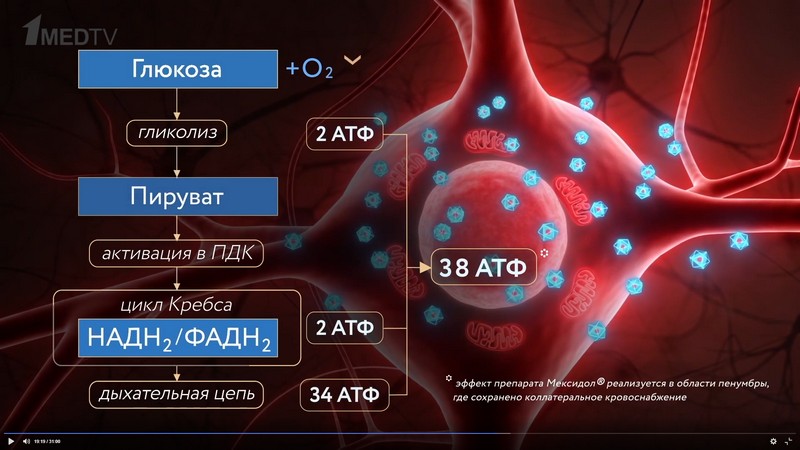
 

Post-Stroke Care: What Can a Physician Do?

Announcement:

We invite you to watch a program featuring Professors Shishkova Nikolaevna and Vitaly Vladimirovich Kovalchuk, which discusses issues such as:

  • Why is post-stroke rehabilitation not an episode, but a lifelong process?
  • What three stages of rehabilitation (RehabIT, inpatient, outpatient) determine the patient’s prognosis?
  • Why is early initiation of rehabilitation from the first day the key to success?

The videoprovides a detailed discussion of the therapist's role in post-stroke rehabilitation:

  • Continuation of secondary prevention (APS principle: antihypertensive, antiplatelet, statins);
  • Assessment of cognitive and psycho-emotional disorders (according to the MoCA and Hamilton scales);
  • Drawing up an individual rehabilitation card using validated scales;
  • Participation in the correction of neglect syndrome and improvement of social and everyday adaptation.

Key takeaway: Medication support is not an option, but a necessity!

Watch the report to:

  • Learn how a therapist can influence your long-term prognosis;
  • Learn to use scales to assess cognitive and emotional impairments;
  • Understand why Mexidol is an evidence-based choice.

This video is a must-see for therapists, neurologists, rehabilitation specialists, and general practitioners.

Watch the video

Post-Stroke Care: What Can a Physician Do?

Veronika Nikolaevna Shishkova - Doctor of Medical Sciences, Professor of the Department of Outpatient Therapy of the Faculty of Advanced Medical Studies, State Budgetary Healthcare Institution of the Moscow Region, Moscow Regional Scientific Research Institute named after M.F. Vladimirsky, Professor of the Department of Neuro- and Pathopsychology of the Institute of Psychology named after L.S. Vygotsky, Russian State University for the Humanities

Vitaly Vladimirovich Kovalchuk , Doctor of Medical Sciences, Professor, Honored Doctor of the Russian Federation, Chairman of the Society of Rehabilitation Specialists of St. Petersburg, Director of the Center for Medical Rehabilitation, Head of the Department of Rehabilitation of Patients with CNS Disorders of St. Petersburg State Budgetary Healthcare Institution "City Hospital No. 38"
Key milestones in the treatment of cerebrovascular diseases: a current algorithm

Announcement:

We present to you a report by Professor Galina Nikolaevna Belskaya on a current topic: a modern algorithm for managing patients with chronic cerebral ischemia and vascular cognitive impairment.

  • Why are cognitive impairments not a consequence, but the first sign of brain damage in hypertension and other vascular diseases?
  • What are the 45 modifiable risk factors (according to The Lancet Commission, 2024) that determine the development of dementia?
  • Why are hypertension, diabetes, obesity, and physical inactivity the main triggers for progression?

The videoprovides a detailed discussion of the integrated approach to therapy:

  • Lifestyle correction: Mediterranean diet, physical activity, 7-9 hours of sleep;
  • The effect of exerkines, molecules produced during exercise, on neurogenesis and angiogenesis;
  • The importance of sleep: disruption of the glymphatic system → accumulation of beta-amyloid → progression of dementia.

Watch the report to:

  • Find out the current algorithm for treating cerebrovascular diseases;
  • Learn to choose drugs with proven effectiveness and safety;
  • Understand why Mexidol is an evidence-based choice.

This video is a must-see for neurologists, therapists, cardiologists, and general practitioners.

Watch the video

Key milestones in the treatment of cerebrovascular diseases: a current algorithm

Galina Nikolaevna Belskaya , Doctor of Medical Sciences, Professor, Head of the Multidisciplinary Clinical Diagnostic Center of the Russian Center for Neurology and Neurosciences
Cerebrovascular and Ocular Diseases: Collaboration Between a Neurologist and an Ophthalmologist

Announcement:

As part of the "Neurology Plus..." program, a dialogue between experts in two fields—neurology and ophthalmology—was held by Professors Anatoly Ivanovich Fedin and Natalia Ivanovna Kurysheva. This presentation focused on the relationship between brain and eye pathologies.

  • Why is the eye not only an organ of vision, but also a “window to the brain”?
  • How can cerebrovascular damage manifest itself in visual impairment, orientation problems, and risk of falls?
  • Why is normal tension glaucoma not only an ophthalmological but also a neurological problem?
  • Flammer syndrome: how does impaired microcirculation in the eye reflect systemic vascular disorders?
  • OCT angiography is a breakthrough in visualizing the microcirculation of the retina and choroid;
  • Nitric oxide and endothelin-1 are key regulators of vascular tone that are impaired in glaucoma.

The video explains the anatomical and physiological connections in detail:

  • Common blood supply: internal carotid artery → ophthalmic artery → retina and optic nerve;
  • Collateral circulation: orbital anastomosis, The circle of Willis (COW);
  • Venous outflow: central retinal vein → cavernous sinus → venous system of the brain.

Common pathogenetic mechanisms: oxidative stress, impaired blood flow autoregulation, ischemia and neurodegeneration.

Key takeaway: An interdisciplinary approach is key to early diagnosis and prevention of disability!

Watch the report to:

  • Find out how the eye reflects the state of the brain's blood vessels;
  • Learn to recognize “red flags” during inspection;
  • Understand why collaboration between a neurologist and an ophthalmologist is not an option, but a necessity.

A must-see for neurologists, ophthalmologists, internists and general practitioners.

Watch the video

Cerebrovascular and Ocular Diseases: Collaboration Between a Neurologist and an Ophthalmologist

Anatoly Ivanovich Fedin , MD, professor, head of the university's neurology clinic, honorary head of the department at Pirogov University, scientific director of the First Rehabilitation Clinic in Khamovniki, and honored physician of Russia

Natalia Ivanovna Kurysheva - Doctor of Medical Sciences, Professor, Head of the Department of Eye Diseases at the MBU INO, Professor of the Department of Ophthalmology at the APO FSBI FSBI FSCC FMBA of Russia, Head of the Clinical and Domestic Optometry Center of the FMBA of Russia, Member of the European Glaucoma Society and the American Academy of Ophthalmology
 

Original and generic drugs: selection criteria, what a pharmacist needs to know

Announcement:

We invite you to watch an educational webinar featuring Svetlana Vadimovna Talashova,. The expert's presentation will explore the differences between original and generic medications, using Mexidol as an example.

  • Why is the original drug not just a brand name, but the result of years of research and unique technology?
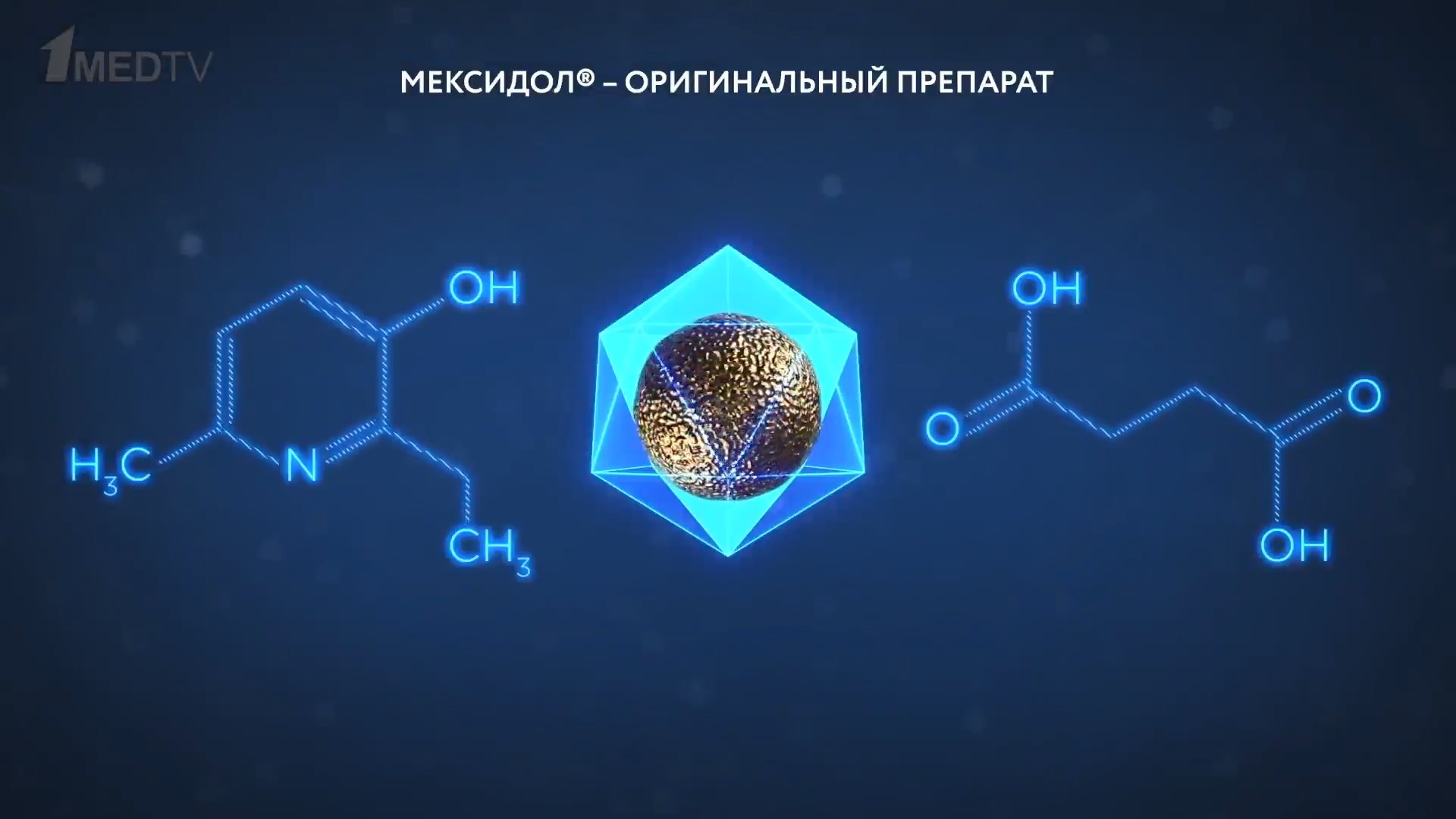
  • How is the Mexidol molecule structured and why is its dual activity (antioxidant + antihypoxic) determined by its chemical structure?
  • Why is succinate not just a filler, but a key element that influences cellular energy and microcirculation?
  • Why does substitution with generic analogues risk losing the therapeutic effect, especially in neuroprotection?

The webinar provides a detailed examination of the pharmacokinetics of Mexidol:

  • Dose-dependent effect;
  • Fast elimination without accumulation;
  • High safety profile.

Why aren't all "analogues" the same?

  • Different salts (succinate vs. malate) = different pharmacological effects;
  • Excipients: from stabilizers to adsorbents (for example, talc);
  • Bioequivalence ≠ therapeutic equivalence.

Key point: Generic drugs are not subject to clinical trials. They are assessed only by bioequivalence (in 12 volunteers), not by efficacy in patients.

Only the original drug Mexidol:

  • Included in Clinical Guidelines;
  • It has a unique indication: ADHD in children from 6 years of age (proven in the MEGA study);
  • It is used according to a well-founded scheme: 10–14 days of injections → 2 months of tablets (Mexidol Forte);
  • It has a patented production technology and formula.

Watch the webinar to:

  • Learn to competently explain to patients the difference between the original and the generic;
  • Understand why Mexidol is an evidence-based choice;
  • Learn how to use the State Register of Medicines to check the manufacturer and composition.

This webinar is a must-see for pharmacists, dispensing technicians, clinical pharmacologists, and physicians.

Watch the video

Original and generic drugs: selection criteria, what a pharmacist needs to know

Svetlana Vadimovna Talashova - Candidate of Pharmaceutical Sciences, Associate Professor, pharmacologist, social psychologist
Problems of vascular pathology of the brain in the concept of cerebrometabolic health

Announcement:

, an endocrinologist and leading researcher at the Russian Center for Neurology and Neurosciences, Ksenia Valentinovna Antonova will discuss:

  • Why the 'obesity paradox' disappears when assessing visceral fat;
  • How Metabolic Syndrome More Than Doubles Stroke Risk;
  • Why Glycemic Control Doesn't Work in Acute Stroke;
  • How does the drug Mexidol affect insulin resistance, oxidative stress and microcirculation?

According to the results of the EPICA study, significant improvement in the NIHSS and mRS scales was observed in patients with stroke and type 2 diabetes while taking Mexidol.

This video lecture is a must-see for neurologists, cardiologists, endocrinologists and therapists!

Watch the video

Problems of vascular pathology of the brain in the concept of cerebrometabolic health

Ksenia Valentinovna Antonova , MD, PhD, endocrinologist, leading researcher at the Russian Center for Neurology and Neurosciences


Polymorbid patient with hypertension and cognitive impairment. Modern principles of treatment

Announcement:

We present to you a presentation by Olga Dmitrievna Ostroumova , Head of the Department of Therapy and Polymorbid Pathology named after Academician M.S. Vovsi, Federal State Budgetary Educational Institution of Higher Professional Education, Russian Medical Academy of Postgraduate Education, Ministry of Health of the Russian Federation. Her report focuses on the comprehensive management of patients with arterial hypertension and cognitive impairment.

Thanks to this video you will learn:

  • Why are cognitive impairments not just “poor memory”, but the earliest sign of brain damage in hypertension, according to European and Russian clinical guidelines?
  • How common are they? In 75% or more of patients with hypertension - even in middle age!
  • Why is cognitive impairment not only a risk for dementia but also a major reason for poor adherence to treatment?
  • How does every 5 points on the KSHOPS scale reduce survival by 34%?

The diagnostics are discussed in detail during a doctor's appointment:

  • In what clinical situations should which neuropsychological tests and scales be used? Mini-Cog (5 minutes) and MoCA (10-15 minutes)?
  • Why is the Symbol Substitution Test (DST) one of the most sensitive markers of attention and information processing impairment?
  • How to assess subjective cognitive complaints in normal tests?

Basic therapy is not only hypertension:

  • Control of blood pressure to target values ​​(120–129/70–79 mmHg);
  • Correction of dyslipidemia, diabetes, atrial fibrillation;
  • The MIND diet reduces the risk of Alzheimer's disease even with moderate adherence.

Key takeaway: Neuroprotection is not an option, but a necessity!

Based on the MEMO study, the high efficacy of Mexidol in patients with chronic cerebral ischemia and hypertension has been proven.

Watch the report to:

  • Learn to identify cognitive impairment at the preclinical stage;
  • Understand how to build a comprehensive strategy for managing a polymorbid patient;
  • Find out why Mexidol is an evidence-based choice.

The video is a must-see for therapists, cardiologists, neurologists and general practitioners.

Watch the video

Polymorbid patient with hypertension and cognitive impairment. Modern principles of treatment

Olga Dmitrievna Ostroumova , Doctor of Medical Sciences, Professor, Head of the Department of Therapy and Polymorbid Pathology named after Academician M.S. Vovsi, Federal State Budgetary Educational Institution of Higher Professional Education, Russian Medical Academy of Postgraduate Education, Ministry of Health of the Russian Federation
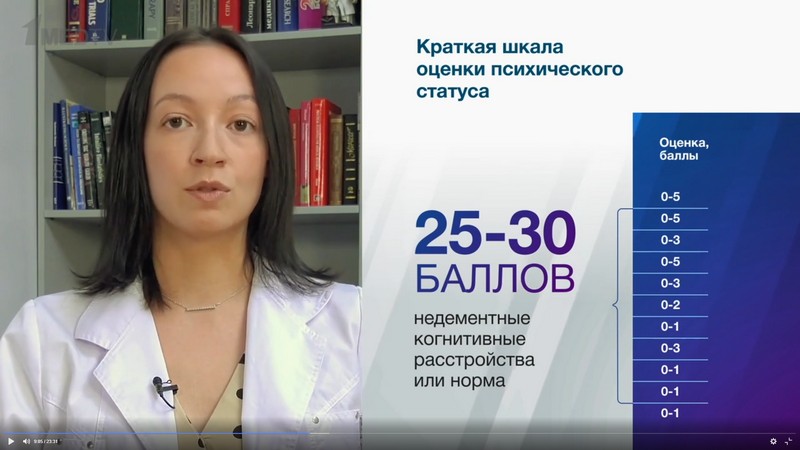
 

Peculiarities of management of elderly patients with chronic cerebral ischemia

Announcement:

     One of the most common causes of cognitive impairment in elderly and senile patients is chronic cerebral ischemia (CCI). Given that many elderly patients believe that memory impairment and other cognitive functions are a manifestation of the normal aging process, such patients rarely complain of cognitive decline when visiting a doctor. The line between progressive moderate cognitive impairment and the initial stages of dementia is very thin. Therefore, it is extremely important to identify the moment of this transition in time and manage to adequately help the patient in time.

    In everyday practice, various screening tests and scales are used to detect cognitive impairment; however, the primary screening scale for vascular cognitive impairment is the Montreal Cognitive Assessment Scale. According to clinical guidelines, diagnosis should be performed during the general therapeutic phase. After examination and diagnosis, the patient moves on to the next stage—treatment.

    Pharmacotherapy of elderly patients is a complex task. First of all, it is extremely important to avoid polypharmacy when choosing a drug.

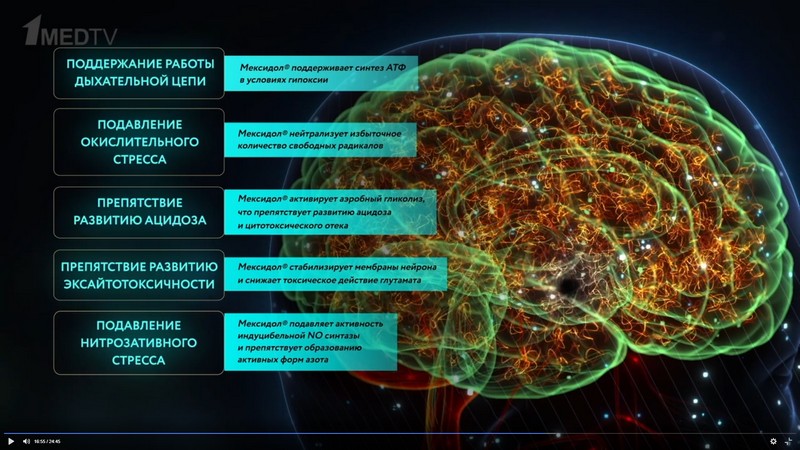
   Mexidol®allows is a multimodal neurocytoprotector; the combination of effects of Mexidol®for the treatment of the main clinical symptoms of cerebrovascular pathology, avoiding the need for additional medications due to the multimodality of its effects, improving patient adherence to treatment and increasing the safety of pharmacotherapy.

Watch the video

Peculiarities of management of elderly patients with chronic cerebral ischemia

Mkhitaryan Elen Araikovna - PhD, Associate Professor of the Department of Aging Diseases of the Faculty of Continuing Professional Education of the Russian National Research Medical University named after N.I. Pirogov of the Ministry of Health of the Russian Federation, Head of the Laboratory of Neurogeriatrics of the Russian Scientific Clinical Center

Evgeniya Viktorovna Yekusheva , Doctor of Medical Sciences, Professor, Head of the Department of Nervous System Diseases and Neurorehabilitation at the Academy of Postgraduate Education of the Federal Scientific and Clinical Center of the Federal Medical and Biological Agency of Russia

 

Methods for assessing the vegetative status in a patient with hypertension: from theory to practice

Announcement:

We present to you a report by Elizaveta Yuryevna Ebzeeva , Associate Professor of the Department of Therapy and Polymorbid Pathology named after Academician M.S. Vovsi, Federal State Budgetary Educational Institution of Higher Professional Education, Russian Medical Academy of Postgraduate Education, Ministry of Health of the Russian Federation. Her presentation focuses on the role of the autonomic nervous system in the pathogenesis of arterial hypertension and the cardiovascular continuum.

From this video lecture you will learn:

  • Why is autonomic nervous system (ANS) dysfunction not just a symptom, but a key mechanism for the progression of hypertension and complications?
  • How does hypersympathicotonia trigger vicious circles: from increased heart rate and blood pressure to worsening prognosis and increased mortality?
  • Why is heart rate (HR) now identified as a separate risk factor in current clinical guidelines for hypertension?
  • What simple and accessible methods of assessing vegetative status can be used during an appointment with a therapist and cardiologist?

In his presentation, the expert examines the Wayne questionnaire (a tool for identifying autonomic dysfunction), heart rate assessment, blood pressure variability, asthenia symptom complex, as well as the “asthenia quartet”: fatigue, decreased performance, sleep disturbance, irritability

Of particular importance: research shows that in patients with heart rate

The report explains in detail how autonomic dysfunction:

— Worsens the course of hypertension and comorbid diseases;

- Increases the risk of cardiovascular complications;

— Requires early detection and a comprehensive approach.

Key takeaway: Early diagnosis is the key to prevention! Detecting autonomic dysfunction allows for timely treatment adjustments, improved blood pressure control, and a reduction in overall vascular risk.

Use simple tools: questionnaires, heart rate measurement, clinical assessment - and change the approach to managing patients with hypertension.

The video lecture is mandatory viewing for therapists, cardiologists, neurologists and general practitioners.

Watch the video

Methods for assessing the vegetative status in a patient with hypertension: from theory to practice

Elizaveta Yuryevna Ebzeeva - PhD, general practitioner, psychotherapist, associate professor of the Department of Therapy and Polymorbid Pathology named after Academician M.S. Vovsi, Federal State Budgetary Educational Institution of Higher Professional Education, Russian Medical Academy of Postgraduate Education, Ministry of Health of the Russian Federation
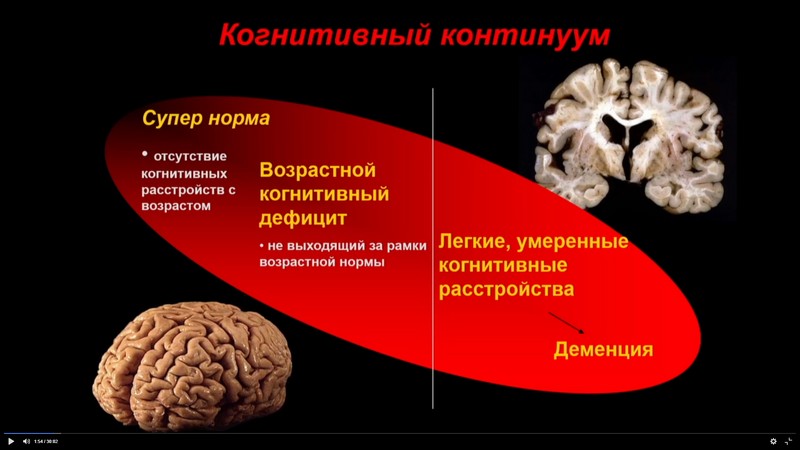


Pathogenetic analysis of cognitive impairment in comorbid patients as a basis for rational therapy

Announcement:

Professor of the Department of Nervous System Diseases at the S.M. Kirov Military Medical Academy and Vice President of the Eurasian Association of Neurologists, Sergei Anatolyevich Zhivolupov, on cognitive impairment as a multifactorial problem requiring a pathogenetic approach.

After watching this video lecture, you will learn:

  • Why are cognitive impairments not a death sentence, but an alarm signal, especially in patients with arterial hypertension and other forms of polymorbidity?
  • What factors accelerate cognitive decline, from vascular and metabolic to infectious (including post-COVID syndrome)?
  • Why is early diagnosis the key to reversibility? At the stage of mild and moderate disorders, it is still possible to influence the prognosis.
  • What neuroimaging and clinical data allow for pathogenetic reconstruction and differential diagnosis?
  • How does vascular cognitive dysfunction differ from neurodegenerative cognitive dysfunction (for example, in Alzheimer's disease) - and why do we most often encounter mixed forms?

Particular attention is paid to differential diagnostics: from vitamin deficiency and hypothyroidism to iatrogenic causes and rare forms (for example, primary angiitis of the central nervous system). The expert also explains why the analysis of the contour of cognitive impairment (memory, attention, executive functions, gnosis, praxis) is more important than just memory assessment.

The report examines in detail the MEMO study: the effectiveness of the drug Mexidol in patients with chronic cerebral ischemia and hypertension. The drug is included in current clinical guidelines for ischemic stroke and cognitive impairment in the elderly.

Watch the report to:

  • Learn to conduct a pathogenetic analysis of cognitive impairment;
  • Understand how to build therapy not based on symptoms, but on the mechanism;
  • Find out why Mexidol is an evidence-based choice

The video material is a must-see for neurologists, therapists, general practitioners and anyone who treats patients with hypertension, vascular and polymorbid diseases. 

Watch the video

Pathogenetic analysis of cognitive impairment in comorbid patients as a basis for rational therapy

Zhivolupov Sergey Anatolyevich - Doctor of Medical Sciences, Professor, Expert of the Russian Academy of Sciences, Professor of the Department of Nervous Diseases of the S.M. Kirov Military Medical Academy, Vice President of the Eurasian Association of Neurologists, St. Petersburg


Brain in Focus of Arterial Hypertension: Minimizing Negative Prognosis

Announcement:

The brain at the center of arterial hypertension: how to minimize the risk of cognitive impairment? For the attention of therapists, neurologists, and general practitioners, Vadim Vitalyevich Tyrenko, Head of the Department of Faculty Therapy at the S.M. Kirov Military Medical Academy, Chief Cardiologist of the Russian Ministry of Defense, and Chief Pulmonologist of the Health Committee of the Government of St. Petersburg, will speak at a conference for primary care physicians. He will discuss:

  • Why are cognitive impairments not a late complication, but the earliest sign of brain damage in hypertension?
  • Which current clinical guidelines already include assessment of cognitive function in patients with hypertension?
  • Which screening tests (Mini-Cog, MoCA, MMSE, clock drawing test) can realistically be used in a therapist's office visit - and how to interpret the results?
  • Why is blood pressure control not only about stroke prevention but also about protecting cognitive functions?
  • Which classes of antihypertensive drugs show a brain protective advantage?
  • Why is antihypertensive therapy alone not enough – and why is neuroprotection needed?

The report provides a detailed analysis of the MEMO study, which confirmed the effectiveness of the drug Mexidol in patients with chronic cerebral ischemia and arterial hypertension.

The drug is included in clinical guidelines for ischemic stroke and cognitive impairment in the elderly, and the resolution of the Expert Council emphasizes the need to include neuroprotection in the standard of care for patients with hypertension.

 Watch the full report to find out:

  • How to diagnose cognitive impairment at the earliest stages;
  • Why does memory suffer differently in vascular disorders than in Alzheimer's disease;
  • How to build a comprehensive strategy: from blood pressure control to neuroprotection.

The video lecture is a must-see for anyone who treats patients with hypertension, especially the elderly and those with polymorbidity.

Watch the video

Brain in Focus of Arterial Hypertension: Minimizing Negative Prognosis

Vadim Vitalievich Tyrenko , Doctor of Medical Sciences, Professor, Head of the Department of Faculty Therapy at the S.M. Kirov Military Medical Academy, Chief Cardiologist of the Russian Ministry of Defense, Chief Pulmonologist of the Health Committee of the Government of St. Petersburg


Anxiety in General Clinical Practice

Announcement:

Anxiety isn't just an "emotion," but a real risk factor associated with the progression of hypertension, coronary heart disease, heart failure, and even increased mortality. Expert Veronika Nikolaevna Shishkova, Professor of the Outpatient Therapy Department at the Vladimirsky Moscow Regional Scientific Research Institute (MONIKI), and Professor of the Neuropsychology and Pathopsychology Department at the Vygotsky Institute of Psychology at the Russian State University for the Humanities , will discuss:

  • How anxiety disguises itself as somatic complaints (shortness of breath, chest pain, nausea, etc.);
  • Why do 50% of patients with hypertension have clinically significant anxiety symptoms?
  • How to distinguish anxiety from somatic symptoms already at the initial appointment;
  • What drugs do not worsen psycho-emotional status (and is there an evidence base);
  • What do new algorithms for managing patients with anxiety recommend?

Of particular importance: 86% of patients with hypertension were found to have vascular cognitive impairment, which is closely linked to anxiety.

Learn how to influence a patient's cognitive and emotional status without going beyond general therapy.

Watch the video

Anxiety in General Clinical Practice

Veronika Nikolaevna Shishkova - Doctor of Medical Sciences, Professor of the Department of Outpatient Therapy of the Faculty of Advanced Medical Studies, State Budgetary Healthcare Institution of the Moscow Region, Moscow Regional Scientific Research Institute named after M.F. Vladimirsky, Professor of the Department of Neuro- and Pathopsychology of the Institute of Psychology named after L.S. Vygotsky, Russian State University for the Humanities


Prevention and treatment of chronic heart failure. Possibilities of cytoprotective therapy

Announcement:

This video lecture focuses on one of the most pressing issues in modern cardiology: the prevention and treatment of chronic heart failure (CHF). Vadim Petrovich Mikhin , examines in detail why CHF accounts for over 71% of deaths from circulatory diseases and offers practical solutions for improving the prognosis for these patients.

In this video you will find answers to key questions:

  • Why is the problem of CHF so pressing today? Treating patients after acute myocardial infarction and untreated hypertension means that specialists are increasingly dealing with their consequences: myocardial remodeling, dystrophy, hypoxia, and activation of free radical oxidation.
  • What tools do we have in our arsenal beyond standard therapy? The role of cytoprotective therapy—a strategy aimed at preserving cell life, restoring energy metabolism, and restoring functional activity—is examined in detail.
  • What are the differences between the main cytoprotectors? The speaker provides a clear and understandable analysis of their mechanisms of action:
  • Trimetazidine - blocks beta-oxidation of fatty acids, which requires a lot of oxygen;
  • Meldonium - inhibits the entry of fatty acids into the mitochondria;
  • Ethylmethylhydroxypyridine succinate (Mexidol) - stimulates the Krebs cycle, providing energy production with priority for glucose oxidation, which saves oxygen.
  • What evidence exists for its effectiveness? Results from Russian studies (including a recent 2021 study) are presented, demonstrating that adding Mexidol to standard CHF therapy:
  • Increases tolerance to physical activity (6-minute walk test);
  • Improves diastolic function and myocardial adaptation to stress;
  • Reduces NT-proBNP levels, a key biomarker of heart failure severity;
  • Reduces markers of oxidative stress (MDA) and systemic inflammation (CRP);
  • Reliably improves the quality of life of patients according to specialized questionnaires.

This material is a ready-made guide to action for doctors who seek not only to reduce symptoms, but to influence the pathogenetic mechanisms of CHF development, protect the myocardium and significantly improve the prognosis and life of their patients.

Watch the video

Prevention and treatment of chronic heart failure. Possibilities of cytoprotective therapy

Vadim Petrovich Mikhin - Doctor of Medical Sciences, Professor, Head of the Department of Internal Medicine No. 2 of the Federal State Budgetary Educational Institution of Higher Education Kazan State Medical University of the Ministry of Health of the Russian Federation, Honored Doctor of the Russian Federation, Member of the Presidium of the Russian Society of Medical and Toxicology
Complex approach in treatment of hypertension. Prevention of damage to target organs. Role and possibilities of cytoprotective therapy

Announcement:

We present a practice-oriented approach to the treatment of arterial hypertension from Professor Vadim Petrovich Mikhin. This expert review focuses on current views on the pathogenesis of arterial hypertension (AH) and comprehensive treatment strategies aimed not only at lowering blood pressure but also at effectively protecting target organs.

The video goes into detail about:

  • Prevalence of hypertension and key treatment goals;
  • How hypertension damages target organs;
  • The role of endothelial dysfunction and vascular wall stiffness;
  • Justification for the choice of first-line therapy according to clinical guidelines;
  • Data from neurocytoprotection studies to improve therapy outcomes.

From this video you will learn:

  • The scale of the problem: current data on the prevalence of hypertension in Russia among people over 35 years of age, which emphasizes the importance of the issue for every practicing physician.
  • Key mechanisms of injury: a detailed analysis of the pathogenesis, including activation of free radical oxidation, endothelial dysfunction, vascular wall remodeling and the hypothesis of an autoimmune nature of hypertension.
  • Visualization: see what healthy endothelium looks like and how it is transformed by dysfunction, leading to the formation of an atherosclerotic plaque.
  • Treatment strategy according to recommendations: justification for the choice of first-line (ACE inhibitors/ARBs) and second-line (statins) drugs to influence key links in the pathological process.
  • Clinical trial data: focusing on the role of cytoprotective therapy using ethylmethylhydroxypyridine succinate as an example. Adding this drug to standard therapy:
  • Promotes reverse remodeling of the LV myocardium (reduction of the mass index);
  • Improves diastolic function of the heart;
    • Increases LV ejection fraction (especially in combination with ACE inhibitors);
    • Reliably improves the functional activity of the vascular endothelium (according to the results of the cuff test);
    • Reduces the thickness of the intima-media complex of the carotid artery;
    • Improves the daily blood pressure profile, increasing the time the patient stays within target values.

    This video will be useful for all doctors treating patients with cardiovascular disease. Key takeaway: Don't just lower blood pressure; protect your blood vessels, heart, and brain!

Watch the video

Complex approach in treatment of hypertension. Prevention of damage to target organs. Role and possibilities of cytoprotective therapy

Vadim Petrovich Mikhin - Doctor of Medical Sciences, Professor, Head of the Department of Internal Medicine No. 2 of the Federal State Budgetary Educational Institution of Higher Education Kazan State Medical University of the Ministry of Health of the Russian Federation, Honored Doctor of the Russian Federation, Member of the Presidium of the Russian Society of Medical and Toxicology

Differentiated strategies of cerebroprotection in arterial hypertension: focus on proven efficacy

Announcement:

Associate Professor of the M.S. Vovsi Department of Therapy and Polymorbid Pathology at the Russian Medical Academy of Postgraduate Education (RMANPE) of the Ministry of Health of the Russian Federation by Alexey Ivanovich Kochetkov,. His presentation focuses on modern approaches to protecting the brain in patients with arterial hypertension.

Thanks to this video you will learn:

  • Why are cognitive impairments not complaints, but the first and main sign of damage to the brain as a target organ in hypertension?
  • What early symptoms (decreased concentration, brain fog) should not be ignored?
  • Why do 70–80% of patients with stage 2 hypertension have cognitive impairment?

The video examines in detail the role of vascular risk factors:

  • Blood pressure control (especially systolic >130 mmHg);
  • Correction of atrial fibrillation, diabetes, dyslipidemia;
  • The influence of depression, anxiety and asthenia on cognitive status.

The video also highlights the MIND diet to slow the progression of cognitive impairment and cognitive stimulation, simple yet effective methods for patients.

Pharmacological strategy:

  • Antihypertensive therapy: why are sartans, diuretics and calcium antagonists preferable?
  • Centrally acting ACE inhibitors (perindopril, ramipril) - their role in protecting the brain;
  • Why is antihypertensive therapy alone not enough? Antihypertensive cerebroprotection develops slowly — and cognitive status improvement is needed now.

Key takeaway: Neuroprotection is not an option, but a necessity and an integral part of managing patients with arterial hypertension.

Based on the MEMO study, the effectiveness of the drug Mexidol in patients with chronic cerebral ischemia and hypertension has been proven.

Watch the report to:

  • Learn to identify cognitive impairment at early stages;
  • Understand how to build a comprehensive patient management strategy;
  • Find out why Mexidol is an evidence-based choice.

The video is a must-see for therapists, cardiologists, neurologists and general practitioners.

Watch the video

Differentiated strategies of cerebroprotection in arterial hypertension: focus on proven efficacy

Aleksey Ivanovich Kochetkov , PhD, functional diagnostics physician, associate professor at the Department of Therapy and Polymorbid Pathology named after Academician M.S. Vovsi, Federal State Budgetary Educational Institution of Higher Professional Education, Russian Medical Academy of Postgraduate Education, Ministry of Health of the Russian Federation
Current approaches to managing children with ADHD

Announcement:

Professor of the Department of Neurology at the Kazan State Medical University of the Russian Ministry of Health, Dina Damirovna Gainetdinova, on one of the most discussed topics in the field of pediatric neurology: attention deficit hyperactivity disorder (ADHD).

Thanks to this video you will learn:

  • Why is ADHD not just “restlessness,” but a neuropsychiatric disorder with an organic basis, included in the DSM-5 along with the autism spectrum?
  • What are the psychosocial, perinatal and genetic factors underlying the etiology?
  • Why do children with ADHD show decreased gray and white matter in the prefrontal cortex and impaired function of the corpus callosum?
  • How to recognize ADHD at different stages of development - from infancy to adolescence?

The report examines in detail the clinical picture and age dynamics:

  • Increased vocalization and sensory hypersensitivity at an early age;
  • Delayed speech development and tic hyperkinesis as the first reasons for seeking medical attention;
  • Aggression, sleep disturbances, difficulties in learning and social adaptation in preschool and school age.

Particular attention is paid to differential diagnosis: how to distinguish ADHD from autism spectrum disorder, specific learning disorders and oppositional defiant disorder, and what new treatment options are there?

In 2023, the indication "ADHD" was included in the instructions for medical use of the drug Mexidol, tablets 125 mg. Now it is the first drug with multimodal properties approved for the treatment of ADHD in children from 6 years of age.

Watch the report to:

  • Learn to recognize ADHD in its early stages;
  • Understand the pathogenetic mechanisms of the disorder;
  • Find out how the drug Mexidol can become the basis of complex therapy.

This video is a must-see for pediatricians, child neurologists, psychiatrists, speech therapists and developmental specialists.

Watch the video

Current approaches to managing children with ADHD

Dina Damirovna Gainetdinova - Academician of the Academy of Sciences of the Republic of Tatarstan, Doctor of Medical Sciences, Professor of the Department of Neurology of the Federal State Budgetary Educational Institution of Higher Education Kazan State Medical University of the Ministry of Health of the Russian Federation, Honored Doctor of the Russian Federation
 

Information portal Neuroreab.ru and community on VKontakte — expertise in the field of cerebrovascular diseases

Announcement:

In modern medical practice, it is essential to have access to up-to-date information on the prevention, diagnosis, treatment, and rehabilitation of patients after stroke. This is precisely why the Neuroreab Lecture Hall was created—an information and educational portal for physicians. Alexey Vadimovich Shulyndin,.

The Neuroreab.ru portal offers:

  • Answers to questions on the effective management of patients with cerebrovascular pathology at various stages of medical care;
  • Calendar of federal and regional events dedicated to cerebrovascular pathology
  • Articles and publications, as well as data from randomized clinical trials on the effective management of patients with cerebrovascular diseases; 
  • Video with leading Russian specialists dealing with cardiovascular pathology;
  • The latest medical news in the field of neurology, including data from foreign publications.

Separate sections for:

  • Doctors - vascular centers, calendar of events, teleseminars, current articles and publications;
  • For patients and their relatives – recommendations for caring for patients after a stroke, preventing stroke, and minimizing the consequences of a stroke.

Subscribe to be the first to receive verified, reliable and useful information from a reliable source!

Watch the video

Information portal Neuroreab.ru and community on VKontakte — expertise in the field of cerebrovascular diseases

Shulyndin Aleksey Vadimovich - PhD, Assistant Professor, Department of Neurology, Psychiatry and Narcology, Faculty of Continuing Professional Education, Federal State Budgetary Educational Institution of Higher Education "Primary Medical University" of the Ministry of Health of the Russian Federation
 

Dialogues with experts. Cognitive impairment in patients as an interdisciplinary problem

Announcement:

Cognitive impairment is one of the most common, yet often overlooked, problems in modern medicine. It affects 40% of people over 65 and is increasingly common in middle-aged patients. Why has this become such a cross-disciplinary issue? How can early symptoms be detected? And which treatments actually work? Professors Vladimir Vladimirovich Zakharov and Anna Nikolaevna Bogolepova.

Key topics of the video lecture:

  • Why is cognitive impairment not just “senile forgetfulness”?

— How hypertension, diabetes and stress destroy the brain.

— Why do 50% of patients with high blood pressure not feel symptoms, but already have cognitive deficits?

  • Diagnostics: from simple tests to MRI

— Gold standard: MoCA test.

— What methods will help assess attention and planning?

— When should you refer to a neurologist, and when can a therapist or general practitioner handle it?

  • Treatment Strategies: From Risk Correction to Neuroprotection

— Why is it not enough to simply lower blood pressure or cholesterol?

— Multimodal therapy: how to protect neurons and improve blood flow.

— Efficacy of the drug Mexidol: data from the MEMO study.

  • Clinical guidelines 2024

— Which drugs were included in the updated Clinical Guidelines and why.

— How can comorbid patients avoid polypharmacy?

Who is this video for?

  • Therapists, cardiologists, endocrinologists - how to identify cognitive impairment in patients with hypertension, diabetes and atherosclerosis.
  • General practitioners - patient routing and basic therapy.
  • Neurologists and psychiatrists - modern diagnostic and therapeutic algorithms.

Key takeaway: Cognitive impairment is not a death sentence. Early diagnosis, management of vascular risks, and pathogenetic therapy (for example, the inclusion of Mexidol) can slow progression and improve quality of life. The human brain needs protection no less than the heart or blood vessels!

Watch the video

Dialogues with experts. Cognitive impairment in patients as an interdisciplinary problem

Vladimir Vladimirovich Zakharov , Doctor of Medical Sciences, Professor of the Department of Nervous System Diseases and Neurosurgery at the N.V. Sklifosovsky Institute of Cardiology and Microbiology, I.M. Sechenov First Moscow State Medical University of the Ministry of Health of the Russian Federation (Sechenov University)

Anna Nikolaevna Bogolepova , Doctor of Medical Sciences, Professor of the Department of Neurology, Neurosurgery, and Medical Genetics of the Federal State Autonomous Educational Institution of Higher Education, the N.I. Pirogov Russian National Research Medical University of the Ministry of Health of the Russian Federation, Head of the Department of Cognitive Impairments of the Federal Center for Medical Sciences, Federal Medical and Biological Agency of Russia
 

Peculiarities of managing patients with CVD against the background of metabolic syndrome and diabetes mellitus

Announcement:

In this episode of the program "Interdisciplinary Academy. Neurology," neurology and cardiology experts Evgeniya Viktorovna Yekusheva and Vadim Vitalyevich Tyrenko discuss a pressing topic: managing patients with cerebrovascular diseases (CVD) associated with metabolic syndrome and diabetes.

Metabolic syndrome: a global problem

  • Every fifth Russian has prediabetes, every twentieth has type 2 diabetes.
  • Obesity is a key component of the syndrome, triggering systemic inflammation and insulin resistance.
  • Patients with metabolic syndrome have a three-fold higher risk of cardiovascular events and an increased likelihood of dementia.

How does metabolic syndrome affect the brain?

  • Early changes: atrophy of the frontal and temporal lobes, decreased cognitive functions.
  • Chronic ischemia: microangiopathy, lacunar infarctions, leukoaraiosis.
  • Systemic inflammation accelerates neurodegenerative processes.

Diagnostics and therapy

  •  Metabolic syndrome criteria: abdominal obesity + 2 of:
  • High blood pressure,
  • High triglycerides,
  • Low HDL,
  • Hyperglycemia.

Treatment:

  • Correction of risk factors (diet, physical activity).
  • Drugs: metformin, statins, SGLT-2 inhibitors.
  • Neuroprotection: Mexidol reduces oxidative stress, improves cognitive functions.

Mexidol: proven effectiveness

  • Mechanism of action: antioxidant, antihypoxant.
  • Research:
  • Improving memory and attention in patients with CCI.
  • Reduction in the level of proinflammatory cytokines (TNF-α, IL-6).
  • Dosage regimen: sequential administration regimen: 2 weeks of injections → 2 months of tablets (250 mg × 3 times/day).

Why do doctors miss brain damage?

  • Patients rarely complain of early cognitive impairment.
  • Therapists often focus on cardiovascular risks rather than neurological consequences.
  • Solution: Active screening for cognitive impairment in patients with diabetes and obesity.

Key takeaway:

Metabolic syndrome is not only obesity and hypertension, but also a high risk of brain damage. Complex therapy, including neuroprotectors (the drug Mexidol), can slow the progression of cognitive impairment.

Who is this video for?

Neurologists, therapists, endocrinologists, cardiologists - everyone who works with patients with metabolic disorders and cerebrovascular diseases.

Watch the video

Peculiarities of managing patients with CVD against the background of metabolic syndrome and diabetes mellitus

Evgeniya Viktorovna Yekusheva , Doctor of Medical Sciences, Professor, Head of the Department of Nervous System Diseases and Neurorehabilitation at the Academy of Postgraduate Education of the Federal Scientific and Clinical Center of the Federal Medical and Biological Agency of Russia

Vadim Vitalievich Tyrenko , Doctor of Medical Sciences, Professor, Head of the Department of Faculty Therapy at the S.M. Kirov Military Medical Academy, Chief Cardiologist of the Russian Ministry of Defense, Chief Pulmonologist of the Health Committee of the Government of St. Petersburg
 

Polymorphism of clinical manifestations of CIM. Pathogenetic therapy

Announcement:

In her lecture, "Polymorphism of Clinical Manifestations of Chronic Cerebral Ischemia (CCI)," Professor Anna Nikolaevna Bogolepova examines in detail the key aspects of diagnosis and treatment of this common condition.

What is HIM?

Chronic cerebral ischemia is a progressive disorder of the brain due to a long-term lack of blood supply. It is not an independent disease, but occurs as a complication of hypertension, atherosclerosis, diabetes and other cardiovascular pathologies. With age, its frequency increases sharply: after 80 years, leukoaraiosis (damage to the white matter) occurs in 95% of people.

Main symptoms

  • Cognitive impairment (75% of cases): slow thinking, memory problems, decreased concentration.
  • Asthenia is fatigue that does not go away after rest, often the first sign of chronic cerebral palsy.
  • Movement disorders: unsteadiness of gait, parkinsonism, pseudobulbar syndrome (dysphagia, forced laughter/crying).
  • Emotional disorders: depression (60% of patients), apathy, anxiety.

Diagnostics and differentiation

  • Vascular dementia is diagnosed when daily activities are impaired due to cognitive deficits.
  • It is important to distinguish vascular parkinsonism from Parkinson's disease: symmetry of symptoms, low effectiveness of levodopa.

Modern approaches to treatment

    • Correction of risk factors: control of blood pressure, sugar levels, quitting smoking.
  • Non-drug methods:
  • Cognitive training (crosswords, language learning).
  • Physical activity (dancing, walking) improves blood supply to the brain.
  • Drug therapy:
  • Mexidol (ethylmethylhydroxypyridine succinate) has been proven to improve cognitive functions, reduce asthenia and anxiety.
  • Optimal regimen: 2 weeks of injections + transition to Mexidol Forte tablets 250 mg 3 times a day.


Clinical recommendations

The Clinical Guidelines “Cognitive Disorders in the Elderly and Older Adults” emphasize the importance of pathogenetic therapy and an individual approach, especially in elderly patients.

Conclusion: CIM is a multifactorial disease requiring comprehensive treatment. Early diagnosis and appropriate therapy can significantly improve patients' quality of life.

Who is this video for?

Neurologists, therapists, geriatricians and anyone who works with patients with vascular cognitive impairment.

Watch the video

Polymorphism of clinical manifestations of CIM. Pathogenetic therapy

Anna Nikolaevna Bogolepova , Doctor of Medical Sciences, Professor of the Department of Neurology, Neurosurgery, and Medical Genetics of the Federal State Autonomous Educational Institution of Higher Education, the N.I. Pirogov Russian National Research Medical University of the Ministry of Health of the Russian Federation, Head of the Department of Cognitive Impairments of the Federal Center for Medical Sciences, Federal Medical and Biological Agency of Russia
 

Frail patient with cerebrovascular disease

Announcement:

In this episode of the Neurology Plus program, experts Anatoly Ivanovich Fedin and Elen Araikovna Mkhitaryan discuss one of the most pressing issues in modern medicine: the fragile patient with cerebrovascular disease and senile asthenia.

  • Demography and Aging

By 2050, more than 30% of Russia's population will be over 65. This requires a revision of treatment approaches, since elderly patients often suffer from multiple chronic diseases at the same time.

  • What is frailty?

This is a syndrome associated with age-related decline in the body's reserves. Its key symptoms are weakness, unintentional weight loss, sluggishness and low physical activity.

  • The relationship between asthenia and stroke

In patients with senile asthenia, stroke is more severe and recovery is slower. Even "silent" lacunar infarctions can lead to complications.

  • The dangers of orthostatic hypotension

A sharp drop in blood pressure when standing up is not just dizziness, but a serious marker of fragility and a risk factor for dementia.

  • How to treat fragile patients?

Therapy should be cautious:

  • Blood pressure does not always need to be reduced to “young” norms.
  • Statins and aspirin are not suitable for primary prevention for everyone.
  • The drug Mexidol has proven effective in improving cognitive functions and has demonstrated a high safety profile

Prevention: physical activity and cognitive reserve.

Dancing, learning, and social activity help keep your brain healthy. Even simple exercises can reduce the risk of dementia.

This broadcast will be especially useful for neurologists, therapists, geriatricians and anyone who works with elderly patients. Experts will discuss not only the theory, but also the practical aspects of managing complex cases.

The main conclusion: Frailty is not a life sentence. Proper treatment and prevention can significantly improve the quality of life of older adults.

Watch the video

Frail patient with cerebrovascular disease

Anatoly Ivanovich Fedin , MD, PhD, Professor Emeritus, Head of the University Clinic of Neurology at the N.I. Pirogov Russian National Research Medical University of the Ministry of Health of the Russian Federation, Scientific Director of the Khamovniki Rehabilitation Clinic, and Honored Doctor of the Russian Federation

Mkhitaryan Elen Araikovna - PhD, Head of the Laboratory of Neurogeriatrics, Russian Scientific Clinical Center, N.I. Pirogov Russian National Research Medical University, Ministry of Health of the Russian Federation
Cognitive impairment in arterial hypertension

Announcement:

Arterial hypertension is more than just a problem of high blood pressure; it's a systemic disease that affects the blood vessels in the brain and leads to cognitive impairment. In this video, neurology and cardiology experts Anatoly Ivanovich Fedin and Veronika Nikolaevna Shishkova discuss the mechanisms of brain damage in hypertension, early diagnosis methods, and evidence-based approaches to neuroprotective therapy.

Main topics:

  • Epidemiology and relevance:

  44% of the adult population of Russia suffers from hypertension, but only a quarter achieve target blood pressure values.

  Hypertension is the leading risk factor for stroke and vascular dementia in almost half of cases.

  • Pathogenesis of brain damage:

  Chronic ischemia due to small vessel microangiopathy.

  Lacunar infarctions in the deep parts of the brain (shown on MRI).

  Impaired autoregulation of cerebral blood flow and hypoxic cascade.

  • Clinical manifestations:

  Early symptoms: decreased concentration, “operational forgetfulness”, slowness of thinking.

  Progression to frontal dysfunction (impaired planning, rigidity).

  Association with asthenia, anxiety and depression.

  • Diagnostics:

  Screening: Mini-COG test, Montreal scale (MoCA).

  Assessment of endothelial dysfunction and oxidative stress markers.

  • Therapy:

o  Basic treatment of hypertension:

  • Cautious reduction of pressure in patients with critical carotid artery stenosis.
  • Target values: 130–140/80 mmHg for the elderly.
  • Neuroprotection:

o  Mexidol (ethylmethylhydroxypyridine succinate):

Antioxidant and antihypoxant action.

  • Scheme: 500 mg/day intravenously for 14 days → 250 mg × 3 times a day for 2 months.
  • Results: improved cognitive functions, reduced asthenia.
  • Clinical recommendations: included in the treatment of vascular cognitive impairment.

Key findings:

  • Cognitive impairment in hypertension is not an “age-related norm”, but a consequence of cerebral microangiopathy.
  • Screening with Mini-COG is mandatory for patients with blood pressure >140/90.
  • The combination of antihypertensive therapy and Mexidol significantly improves the prognosis.

For whom: therapists, cardiologists, neurologists, general practitioners.

Practical value:

The video provides diagnostic and treatment algorithms based on evidence-based medicine. Particular attention is paid to patients with resistant hypertension and high risk of dementia.

Recommendation:

This material is a must-read for doctors working with older patients and striving to maintain not only physical but also cognitive health.

Watch the video

Cognitive impairment in arterial hypertension

Anatoly Ivanovich Fedin , MD, PhD, Professor Emeritus, Head of the University Clinic of Neurology at the N.I. Pirogov Russian National Research Medical University of the Ministry of Health of the Russian Federation, Scientific Director of the Khamovniki Rehabilitation Clinic, and Honored Doctor of the Russian Federation

Veronika Nikolaevna Shishkova - Doctor of Medical Sciences, Professor of the Department of Outpatient Therapy of the Faculty of Advanced Medical Studies, State Budgetary Healthcare Institution of the Moscow Region, Moscow Regional Scientific Research Institute named after M.F. Vladimirsky, Professor of the Department of Neuro- and Pathopsychology of the Institute of Psychology named after L.S. Vygotsky, Russian State University for the Humanities
 

Actual strategies for neuroprotement in glaucoma

Announcement:

Glaucoma remains one of the most challenging ophthalmological problems, where traditional intraocular pressure reduction is often insufficient to preserve vision. In this video, Professor Evgeny Alekseevich Egorov discusses modern neuroprotection strategies, including innovative drug delivery methods and proven retinolamine and Mexidol regimens, which can significantly improve patient prognosis.

Main topics:

  • Glaucoma today is a disease characterized by an increase in intraocular pressure beyond the tolerable range, leading to glaucomatous optic neuropathy, optic nerve atrophy, and visual field defects. The primary goal of treatment is to preserve visual function and the patient's quality of life.
  • The role of neuroprotection: reducing intraocular pressure does not guarantee stabilization of the glaucoma process. Complex therapy, including direct and indirect neuroprotection, is necessary.
  • Clinical efficacy data for neuroprotective therapy in glaucoma: the use of Mexidol has been shown to improve visual acuity, expand visual fields, and improve electrophysiological parameters.

Clinical recommendations: Mexidol (ethylmethylhydroxypyridine succinate) is included in the therapy of primary open-angle and angle-closure glaucoma.

Key findings:

  • Neuroprotection is an essential component of glaucoma treatment, especially when intraocular pressure is normalized.
  • The use of neuroprotective therapy demonstrates stable positive results.
  • Modern methods of drug delivery increase the effectiveness of therapy.

For whom: ophthalmologists, neurologists, general practitioners.

Practical value: The video provides treatment algorithms based on clinical guidelines and evidence, making it useful for physicians' daily work.

This material is especially relevant for specialists working with patients with progressive glaucoma and looking for effective methods of preserving visual functions.

Watch the video

Actual strategies for neuroprotement in glaucoma

Egorov Evgeny Alekseevich - Doctor of Medical Sciences, Professor, Head of the Department of Ophthalmology named after Academician A.P. Nesterov, Faculty of Ophthalmology, Federal State Autonomous Educational Institution of Higher Education, Russian National Research Medical University named after N.I. Pirogov, Ministry of Health of the Russian Federation, President of the Russian Glaucoma Society


Management of patients with chronic cerebrovascular pathology against the background of metabolic syndrome and diabetes mellitus

Announcement:

Chronic cerebrovascular diseases, especially those associated with metabolic syndrome and diabetes, are one of the key challenges in modern medicine. In this video, leading specialists Evgeniya Viktorovna Yekusheva and Veronika Nikolaevna Shishkova discuss the pathogenesis, diagnosis, and modern approaches to treatment, paying particular attention to the role of obesity, insulin resistance, and cognitive impairment.

Main topics:

  • Relevance: Metabolic syndrome (obesity, hypertension, diabetes) is a key risk factor for chronic brain damage. It affects one in four people in developed countries, and projections indicate a 50% increase in cases over the next 20 years.
  • Pathogenesis: Systemic inflammation, insulin resistance, and endothelial dysfunction lead to microangiopathy, lacunar infarctions, and cognitive impairment. Neurological disorders are found in 95% of obese patients.
  • The role of obesity: Abdominal obesity is a risk marker even with a normal BMI. A 1 cm increase in waist circumference increases the risk of cardiovascular complications.
  • Cognitive impairment: the tip of the iceberg of cerebrovascular pathology. It manifests as a decline in memory, executive functions, and psychomotor speed, but often remains underdiagnosed.
  • Therapy:
  • Non-pharmacological methods: physical activity and lifestyle modification are critical.
  • Pharmacological support: Mexidol is a drug with proven efficacy in improving cognitive function, reducing insulin resistance, and normalizing lipid profiles. Consistent therapy with the drug demonstrates sustained positive effects.

Key findings:

  • Early diagnosis of metabolic disorders and cognitive deficits can slow the progression of diseases.
  • An integrated approach (correction of risk factors + drug therapy) is the gold standard for patient care.

For whom: neurologists, therapists, cardiologists, endocrinologists and doctors of related specialties.

Watch the video

Management of patients with chronic cerebrovascular pathology against the background of metabolic syndrome and diabetes mellitus

Evgeniya Viktorovna Yekusheva , Doctor of Medical Sciences, Professor, Head of the Department of Nervous System Diseases and Neurorehabilitation at the Academy of Postgraduate Education of the Federal Scientific and Clinical Center of the Federal Medical and Biological Agency of Russia

Veronika Nikolaevna Shishkova - Doctor of Medical Sciences, Professor of the Department of Outpatient Therapy of the Faculty of Advanced Medical Studies, State Budgetary Healthcare Institution of the Moscow Region, Moscow Regional Scientific Research Institute named after M.F. Vladimirsky, Professor of the Department of Neuro- and Pathopsychology of the Institute of Psychology named after L.S. Vygotsky, Russian State University for the Humanities
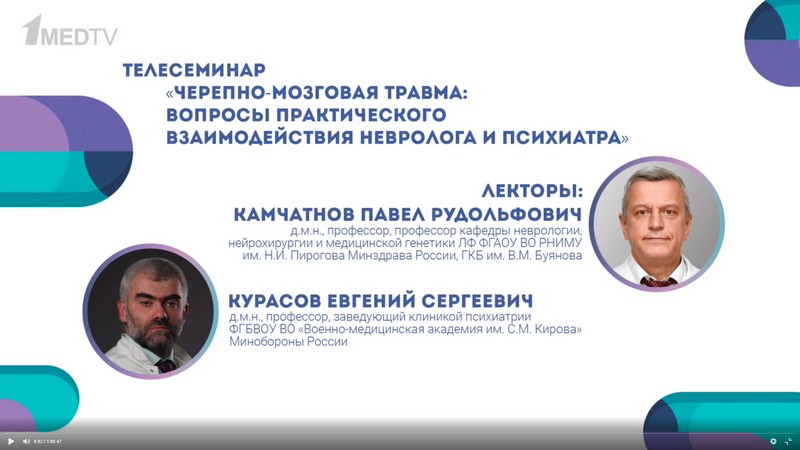
Traumatic brain injury: issues of practical interaction between a neurologist and a psychiatrist

Announcement:

Traumatic brain injury (TBI) is one of the most common causes of disability, especially among young people. In this video, neurologist and psychiatrist experts Pavel Rudolfovich Kamchatnov and Evgeny Sergeyevich Kurasov discuss:

  • Why can even a mild TBI lead to serious consequences?
  • How to distinguish a concussion from a bruise without neuroimaging?
  • Why do more than half of patients with TBI have cognitive impairment?
  • How does trauma trigger neurodegeneration?
  • The drug Mexidol in the treatment of TBI.

Key points:

  • Two critical ages for TBI are children under 5 years of age and the elderly over 75.
  • The main symptoms of mild TBI are loss of consciousness, headache, amnesia (patients often hide or exaggerate symptoms).
  • Dangerous signs are bradycardia and hypertension (Kushenko's symptom, indicating damage to the brain stem).
  • Late effects: Patients with TBI have a 2-fold higher risk of dementia, even if the injury was mild.
  • The drug Mexidol reduces cerebral edema and accelerates recovery when administered consistently.

Who is this video for?

  • Neurologists - diagnostics, management of patients with TBI.
  • Psychiatrists - post-traumatic disorders (anxiety, depression, psychosis).
  • General practitioners/traumatologists - when to refer to a neurologist?

Watch to understand:

  • Why does a “minor” injury not mean “safe”?
  • How Mexidol helps with TBI.
  • What to do if memory loss or anxiety occurs after an injury?

Don't miss important information about TBI - watch the video!

Watch the video

Traumatic brain injury: issues of practical interaction between a neurologist and a psychiatrist

Kamchatnov Pavel Rudolfovich - Doctor of Medical Sciences, Professor of the Department of Neurology, Neurosurgery and Medical Genetics of the Faculty of Medicine of the Pirogov Russian National Research Medical University of the Ministry of Health of the Russian Federation

Evgeny Sergeevich Kurasov , Doctor of Medical Sciences, Professor, Doctor of the Highest Category, Psychiatrist, Psychotherapist, Narcologist, Head of the Psychiatry Clinic at the S.M. Kirov Military Medical Academy of the Russian Ministry of Defense
Therapeutic portrait of a patient with memory disorders

Announcement:

What is this video about?

A modern patient with hypertension, obesity, and diabetes is not only a classic "cardiology case," but also someone at high risk for cognitive and psychoemotional impairment. In this video, Professor Veronika Nikolaevna Shishkova discusses:

  • Why do metabolic syndrome and chronic stress lead not only to heart attacks, but also to memory loss, anxiety and depression?
  • How does hypertension damage the brain and accelerate the development of dementia?
  • Why do 56% of cardiac patients already have mild cognitive impairment?
  • How has Mexidol demonstrated its effectiveness in improving cognitive function and reducing anxiety?

Why is this important?

For doctors:

  • Learn how to identify cognitive impairment in patients with hypertension and coronary heart disease.
  • Understand why standard antihypertensive therapy is not enough.
  • You will see research data on the neuroprotective effect of the drug Mexidol.

Key findings:

  • Hypertension is a risk factor for dementia.
  • 56% of cardiac patients in the study had cognitive impairment, 15% had signs of dementia.
  • How the drug Mexidol, when prescribed consistently, improves memory, reduces anxiety and improves quality of life.

Who is this video for?

  • Cardiologists, therapists, neurologists - how to work with "concomitant" cognitive impairments.
  • Anyone interested in the connection between the heart, blood vessels and brain.

Watch to understand: why hypertension treatment is not only about taking “blood pressure” pills, but also about taking care of your brain!

Watch the video

Therapeutic portrait of a patient with memory disorders

Veronika Nikolaevna Shishkova - Doctor of Medical Sciences, Professor of the Department of Outpatient Therapy of the Faculty of Advanced Medical Studies, State Budgetary Healthcare Institution of the Moscow Region, Moscow Regional Scientific Research Institute named after M.F. Vladimirsky, Professor of the Department of Neuro- and Pathopsychology of the Institute of Psychology named after L.S. Vygotsky, Russian State University for the Humanities
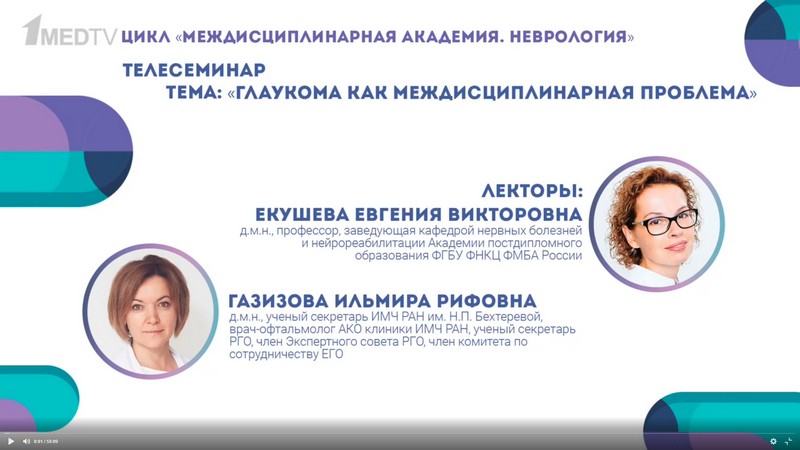
Glaucoma as an interdisciplinary problem

Announcement:

What is this video about?

Glaucoma is one of the most insidious and socially significant diseases leading to irreversible blindness. Despite its prevalence, many patients and even doctors underestimate its danger. In this video, leading experts in neurology and ophthalmology— Evgeniya Viktorovna Yekusheva and Ilmira Rifovna Gazizova —discuss glaucoma not only as an eye disease but also as a systemic neurodegenerative disorder.

Key topics for discussion:

Glaucoma is more than just an eye pressure problem

  • Why is glaucoma considered a neurodegenerative disease?
  • How is optic nerve damage related to changes in the brain?
  • Open-angle and closed-angle glaucoma: what is the fundamental difference?

Why is glaucoma so often missed?

  • Asymptomatic course: how a patient can lose vision without noticing anything.
  • Acute attack of glaucoma: how to distinguish it from migraine or hypertensive crisis?
  • Key symptoms that should alert a doctor of any specialty.

Glaucoma and systemic diseases

  • Link to hypertension, diabetes, atherosclerosis: how vascular pathologies accelerate vision loss.
  • Why should patients with diabetes have regular eye exams?
  • How does chronic cerebral ischemia affect the progression of glaucoma?

Modern diagnostic methods

  • Optical coherence tomography (OCT) and other optic nerve imaging technologies.
  • Why is measuring intraocular pressure not enough?
  • How does neuroimaging (MRI, PET-CT) help in assessing brain damage in glaucoma?

Treatment: from antihypertensive therapy to neuroprotection

  • Is it possible to stop the progression of glaucoma?
  • The role of drugs with neuroprotective action (using the drug Mexidol as an example).
  • Why an interdisciplinary approach is important: joint work of an ophthalmologist, neurologist and therapist.

Practical recommendations for doctors

  • Which patient groups are at high risk?
  • Is it possible to preserve vision if glaucoma has already been diagnosed?

Who is this video for?

  • Doctors (ophthalmologists, neurologists, therapists, endocrinologists) who want to better understand the pathogenesis of glaucoma and modern approaches to treatment.

Why is it worth watching?

  • Expert level: speakers are practicing specialists with extensive clinical experience.
  • Latest data: an analysis of the latest research and clinical guidelines.
  • Practical benefits: clear diagnostic and treatment algorithms that can be applied in work.

Don't miss the opportunity to learn how modern medicine is fighting one of the main causes of blindness!

Watch the video

Glaucoma as an interdisciplinary problem

Evgeniya Viktorovna Yekusheva , Doctor of Medical Sciences, Professor, Head of the Department of Nervous System Diseases and Neurorehabilitation at the Academy of Postgraduate Education of the Federal Scientific and Clinical Center of the Federal Medical and Biological Agency of Russia

Ilmira Rifovna Gazizova - Doctor of Medical Sciences, Academic Secretary of the N.P. Bekhtereva Institute of Medical Chemistry of the Russian Academy of Sciences, ophthalmologist of the AKO Clinic of the Institute of Medical Chemistry of the Russian Academy of Sciences, Academic Secretary of the Russian Geographical Society, member of the Expert Council of the Russian Geographical Society, member of the Cooperation Committee of the EGO
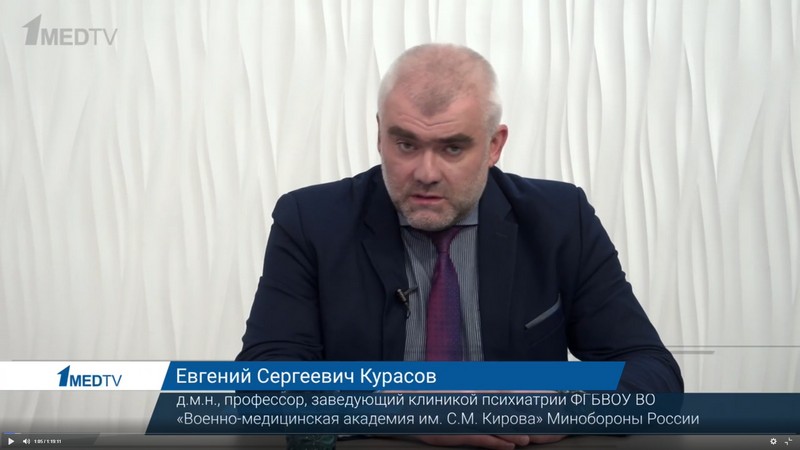
Alcoholism as an interdisciplinary problem

Announcement:

What is this teleseminar about?

Alcoholism is not just a bad habit, but a chronic disease that damages the brain, triggers depression, anxiety, and leads to severe physical complications. In this interdisciplinary teleseminar, leading specialists Evgeniya Viktorovna Yekusheva and Evgeny Sergeyevich Kurasov discuss:

  • Why does alcoholism often go undiagnosed in general medical practice?
  • How to distinguish between everyday drunkenness and a developed addiction?
  • Why do anxiety and depression lead to alcoholism, and alcoholism to depression?
  • What irreversible changes occur in the brain with long-term abuse?
  • How has COVID-19 affected the rise in alcohol use disorders?

Key topics:

Alcohol and the psyche

  • Why do 50% of patients with anxiety disorders abuse alcohol?
  • How Alcohol Masks Depression and Increases Suicide Risk.

Diagnostics: How to recognize addiction?

  • Early signs: "Monday" absences from work, tremors, sweating.
  • Why patients hide the problem and how to ask the right questions.

Withdrawal syndrome: from tremors to delirium tremens

  • The dangers of abruptly stopping drinking alcohol.
  • Why Benzodiazepines Are the Gold Standard for Withdrawal Management.

Brain damage and cognitive impairment

  • Alcoholic dementia, Wernicke-Korsakoff encephalopathy: is it possible to restore the brain?
  • How alcohol accelerates the development of stroke and neurodegenerative diseases.

Treatment: What Really Works?

  • Why don’t IVs and “coding” solve the problem?
  • The role of the drug Mexidol in reducing hypoxia and autonomic disorders during withdrawal.
  • Psychotherapy vs. Total Abstinence: Which Approaches Are Effective?

Who is this teleseminar for?

  • Doctors (therapists, neurologists, cardiologists) - to recognize alcohol addiction in time in patients with “unexplained” symptoms.
  • Psychologists and psychotherapists - to understand the biological mechanisms of addiction.

What will you learn?

  • How to distinguish alcohol withdrawal from a panic attack.
  • Why there are no "safe doses of alcohol."
  • What drug therapy can be used in general practice.

This is a live dialogue between experts with analysis of clinical cases, MRI data and practical recommendations for therapy.

Watch the video

Alcoholism as an interdisciplinary problem

Evgeniya Viktorovna Yekusheva , Doctor of Medical Sciences, Professor, Head of the Department of Nervous System Diseases and Neurorehabilitation at the Academy of Postgraduate Education of the Federal Scientific and Clinical Center of the Federal Medical and Biological Agency of Russia

Evgeny Sergeevich Kurasov , Doctor of Medical Sciences, Professor, Doctor of the Highest Category, Psychiatrist, Psychotherapist, Narcologist, Head of the Psychiatry Clinic at the S.M. Kirov Military Medical Academy of the Russian Ministry of Defense
Interdisciplinary issues in managing patients with anxiety

Announcement:

What is this teleseminar about?

Anxiety disorders are more than just a niggle or temporary stress. They alter the body's biochemistry, accelerate the development of chronic diseases, and shorten life. In this interdisciplinary teleseminar, leading specialists Evgeny Sergeyevich Kurasov and Veronika Nikolaevna Shishkova explore why anxiety and depression are becoming key risk factors in modern medicine.

Key topics:

Anxiety as a modifiable risk factor

  • Why did the European Society of Cardiology include anxiety and depression in clinical guidelines?
  • How psychoemotional disorders worsen the prognosis for hypertension, coronary heart disease and diabetes.

The COVID-19 Pandemic and the Explosion of Anxiety Disorders

  • Why do even mild forms of Covid cause long-term cognitive and emotional impairment?
  • Post-Covid syndrome: how to distinguish neurological symptoms from psychiatric ones?

Somatic masks of anxiety

  • Panic attacks vs. heart attack: how not to miss the threat?
  • Dizziness, tachycardia, insomnia - when it is not the disease but the psyche that is to blame?

Diagnosis and treatment: what can a therapist do?

  • Simple scales for identifying anxiety (GAD-7) - how to use them in routine practice.
  • Why are benzodiazepines not the answer, and antidepressants not always?
  • Drugs with a high safety profile (including Mexidol) - when, to whom and how.

Joint work of a psychiatrist and an internist

  • How not to go too far: the balance between somatic and psychiatric treatment.
  • Real cases from practice: patients with hypertension and panic attacks.

Who is this teleseminar for?

  • Doctors (therapists, cardiologists, neurologists) - to more effectively help patients with “unexplained” symptoms.
  • Psychologists and psychotherapists - to understand the somatic consequences of anxiety.

What will you learn?

  • How to recognize an anxiety disorder in a patient complaining of “heart pain” or “constant fatigue.”
  • What non-drug methods (rational psychotherapy, patient schools) work in primary care?
  • Why anxiety treatment is not just about pills, but also about lifestyle changes.

This is a lively dialogue between two experts with examples from clinical practice, analysis of diagnostic scales and modern therapy protocols.

Watch to understand how the mind and body influence each other - and how to help yourself or your patients!

Watch the video

Interdisciplinary issues in managing patients with anxiety

Veronika Nikolaevna Shishkova - Doctor of Medical Sciences, Professor of the Department of Outpatient Therapy of the Faculty of Advanced Medical Studies, State Budgetary Healthcare Institution of the Moscow Region, Moscow Regional Scientific Research Institute named after M.F. Vladimirsky, Professor of the Department of Neuro- and Pathopsychology of the Institute of Psychology named after L.S. Vygotsky, Russian State University for the Humanities

Evgeny Sergeevich Kurasov , Doctor of Medical Sciences, Professor, Doctor of the Highest Category, Psychiatrist, Psychotherapist, Narcologist, Head of the Psychiatry Clinic at the S.M. Kirov Military Medical Academy of the Russian Ministry of Defense
Elderly patient in general practice: help, do no harm

Announcement:

In this episode, geriatrics and neurology experts Nadezhda Konstantinovna Runikhina and Elen Araikovna Mkhitaryan explore key aspects of managing elderly patients:

  • Senile asthenia - why does 1 in 6 elderly people lose independence and how to prevent it?
  • Arterial hypertension - why is pressure 140/90 mm Hg safer than 120/80 for patients 80+?
  • Cognitive impairments - how to distinguish normal aging from pathology? Simple tests for primary screening.
  • Polypharmacy - why "the fewer drugs, the better" and how to choose evidence-based therapy (using the drug Mexidol as an example).
  • Falls and leukoaraiosis: how is white matter damage linked to fracture risk?

For whom:

✔ General practitioners, neurologists, cardiologists - how to adapt treatment for older patients.

Key takeaway: Modern geriatrics isn't just about treating illnesses; it's about preserving patients' independence and functionality. Watch the full video!

Watch the video

Elderly patient in general practice: help, do no harm

Nadezhda Konstantinovna Runikhina - Doctor of Medical Sciences, Professor, Deputy Director for Geriatric Work at the Russian State Scientific Clinical Center, Chief Geriatrician at the Moscow Health Department

Mkhitaryan Elen Araikovna - PhD, Head of the Laboratory of Neurogeriatrics, Russian Scientific Clinical Center, N.I. Pirogov Russian National Research Medical University, Ministry of Health of the Russian Federation
Glaucoma and age-related macular degeneration in clinical practice. Issues of interaction between a neurologist and an ophthalmologist

Announcement:

Vision is one of the most important senses, yet many eye diseases develop unnoticed, leading to irreversible consequences. In this episode of the program "Interdisciplinary Academy. Neurology," leading experts in ophthalmology and neurology— Evgeniya Viktorovna Yekusheva and Evgeny Alekseevich Egorov —discuss two key pathologies: glaucoma and age-related macular degeneration (AMD).

Glaucoma: "The silent thief of sight"

  • Why can glaucoma develop even with normal intraocular pressure?
  • How do vascular disorders (hypertension, diabetes) accelerate optic nerve damage?
  • The danger of angle-closure glaucoma: how not to miss an acute attack?
  • Modern treatment methods range from antihypertensive drops to laser surgery.

Age-related macular degeneration (AMD): how to preserve central vision?

  • Why is AMD the leading cause of blindness in people over 60?
  • What is the difference between the "dry" and "wet" forms and how are they treated?
  • The Role of Lutein and Antioxidants: Why Should You Take Them Regularly?
  • New methods of therapy - intravitreal injections and hardware treatment.

The relationship between eye and neurological diseases

  • How can changes in the fundus indicate cerebrovascular pathologies?
  • Why should neurologists and ophthalmologists work together?
  • Mexidol and neuroprotection: what drugs help protect vision?

This issue will be especially useful for physicians—ophthalmologists, neurologists, and general practitioners—to understand the relationship between systemic diseases and eye pathology.

Key takeaway: Early diagnosis and a comprehensive approach can prevent blindness! Don't miss the important details—watch the full video analysis.

Watch the video

Glaucoma and age-related macular degeneration in clinical practice. Issues of interaction between a neurologist and an ophthalmologist

Evgeniya Viktorovna Yekusheva , Doctor of Medical Sciences, Professor, Head of the Department of Nervous System Diseases and Neurorehabilitation at the Academy of Postgraduate Education of the Federal Scientific and Clinical Center of the Federal Medical and Biological Agency of Russia

Egorov Evgeny Alekseevich - Doctor of Medical Sciences, Professor, Head of the Department of Ophthalmology named after Academician A.P. Nesterov, Faculty of Ophthalmology, Federal State Autonomous Educational Institution of Higher Education, Russian National Research Medical University named after N.I. Pirogov, Ministry of Health of the Russian Federation, President of the Russian Glaucoma Society

Pharmacological action

Announcement:

Mexidol® is the key to protecting and restoring the brain during ischemia!

The brain is extremely sensitive to oxygen deficiency—within just 30 minutes of hypoxia, irreversible damage to neurons begins due to energy deficiency and the toxic effects of free radicals. Mexidol®,a combination of ethylmethylhydroxypyridine and succinate, effectively restores energy metabolism in mitochondria, reduces oxidative stress, and blocks the cascade of ischemic processes. Thanks to its ability to penetrate nerve cells and stimulate defense mechanisms, Mexidol®improves cerebral circulation and neuroregeneration, increasing the chances of maintaining brain health and function in vascular diseases.

Watch the video
Rehabilitation after a stroke: what therapist needs to know

Announcement:

The lecture examines key aspects of post-stroke rehabilitation that are relevant for primary care physicians.

Key points:

  • Epidemiology: In Russia, > 130 thousand strokes are registered annually, 90% of which are ischemic. Up to 85% of patients experience movement disorders, speech disorders and cognitive deficits.
  • Economic burden: the cost of treating one case reaches 1–1.5 million rubles, including long-term care and loss of ability to work.
  • The main risk factors: arterial hypertension, atherosclerosis, diabetes mellitus, obesity and smoking are the key triggers of atherothrombotic and lacunar strokes.

Modern approaches to rehabilitation:

  • Three-stage model:
    • Stage 1: Early rehabilitation in hospital (first 21 days).
    • Stage 2: specialized centers (up to 3-6 months).
    • Stage 3: Outpatient observation (up to 12 months).
  • The role of drug therapy: the drug Mexidol (ethylmethylhydroxypyridine succinate)
    • Improves the restoration of neurological functions.
    • Reduces the risk of recurrent stroke by 5 times in patients with hypertension.
    • Corrects cognitive and emotional disorders (depression, anxiety).
  • Practical recommendations:
    • Scheme of application of Mexidol:
      • 14 days intravenously at 500 mg/day → 2 months orally (Mexidol Forte 250 mg × 3 times a day).
      • Optimally, 2 courses per year.
  • The Importance of a Multidisciplinary Approach: Combination of Medication, Physical Rehabilitation and Psychological Support.

Rehabilitation after an insult: what a therapist needs to know

Watch the video

Rehabilitation after a stroke: what therapist needs to know

Veronika Nikolaevna Shishkova , Doctor of Medical Sciences, Professor of the Department of Outpatient Therapy at the Vladimirsky Moscow Regional Scientific Research Institute (MONIKI), Professor of the Department of Neuropsychology and Pathopsychology at the Vygotsky Institute of Psychology at the Russian State University for the Humanities.
The problem of motor and cognitive disorders in the post-stroke period

Announcement:

In this lecture, Professor Elena Anatolyevna Katunina examines key aspects of post-stroke disorders, including movement disorders (hemiparesis, spasticity, apraxia) and cognitive dysfunctions (dementia, neglect syndrome). The lecturer provides statistics, explains the mechanisms of pathology development and offers rehabilitation methods.

Main topics of the lecture:

  • Stroke and its consequences – why do only 10-20% of patients return to their previous lives?
  • Movement disorders – from classic hemiparesis to rare syndromes (for example, “alien hand”).
  • Cognitive impairment – how does stroke affect memory, attention and thinking?
  • Diagnostics and rehabilitation – what tests detect apraxia and neglect syndrome?
  • Treatment – the role of neuroprotective therapy (Mexidol) in recovery.

Key takeaway: Stroke is not only an acute episode but also a long-term rehabilitation process that requires a comprehensive approach to motor and cognitive impairments.

Rehabilitation after an insult: what a therapist needs to know

Watch the video

The problem of motor and cognitive disorders in the post-stroke period

Elena Anatolyevna Katunina - Doctor of Medical Sciences, Professor, Head of the Department of Neurodegenerative Diseases of the Federal Center for Medical Sciences of the Federal Medical and Biological Agency of Russia, Professor of the Department of Neurology, Neurosurgery and Medical Genetics of the Federal State Autonomous Educational Institution of Higher Education N.I. Pirogov Russian National Research Medical University of the Ministry of Health of the Russian Federation.
Dialogues with experts "Arterial hypertension and the brain as a target organ"

Announcement:

The new episode of the program “Dialogue with Experts” discusses the current problem of arterial hypertension (AH) and its impact on the body.

Main topics:

  • Hypertension is a global problem, despite the arsenal of drugs.
  • Early signs of brain damage in hypertension: cognitive impairment, fatigue, distracted attention.
  • Modern methods of diagnosing cognitive disorders (Montreal scale, attention tests).
  • "Roadmap" of a patient with arterial hypertension. Criteria for resistant hypertension.
  • Treatment strategies: combination treatment, importance of neuroprotection.
  • The role of Mexidol in brain protection: results of the MEMO study, safety and efficacy.
  • An integrated approach: not only pressure control, but also protection of target organs.
Watch the video

Dialogues with experts "Arterial hypertension and the brain as a target organ"

Vadim Vitalievich Tyrenko , MD, Professor, Head of the Department of Faculty Therapy at the S.M. Kirov Military Medical Academy, Chief Cardiologist of the Russian Ministry of Defense, and Chief Pulmonologist of the Healthcare Committee of the Government of St. Petersburg.

Evgeniya Viktorovna Ekusheva , Doctor of Medical Sciences, Professor, Head of the Department of Nervous System Diseases and Neurorehabilitation at the Academy of Postgraduate Education of the Federal Scientific and Clinical Center of the Federal Medical and Biological Agency of Russia.
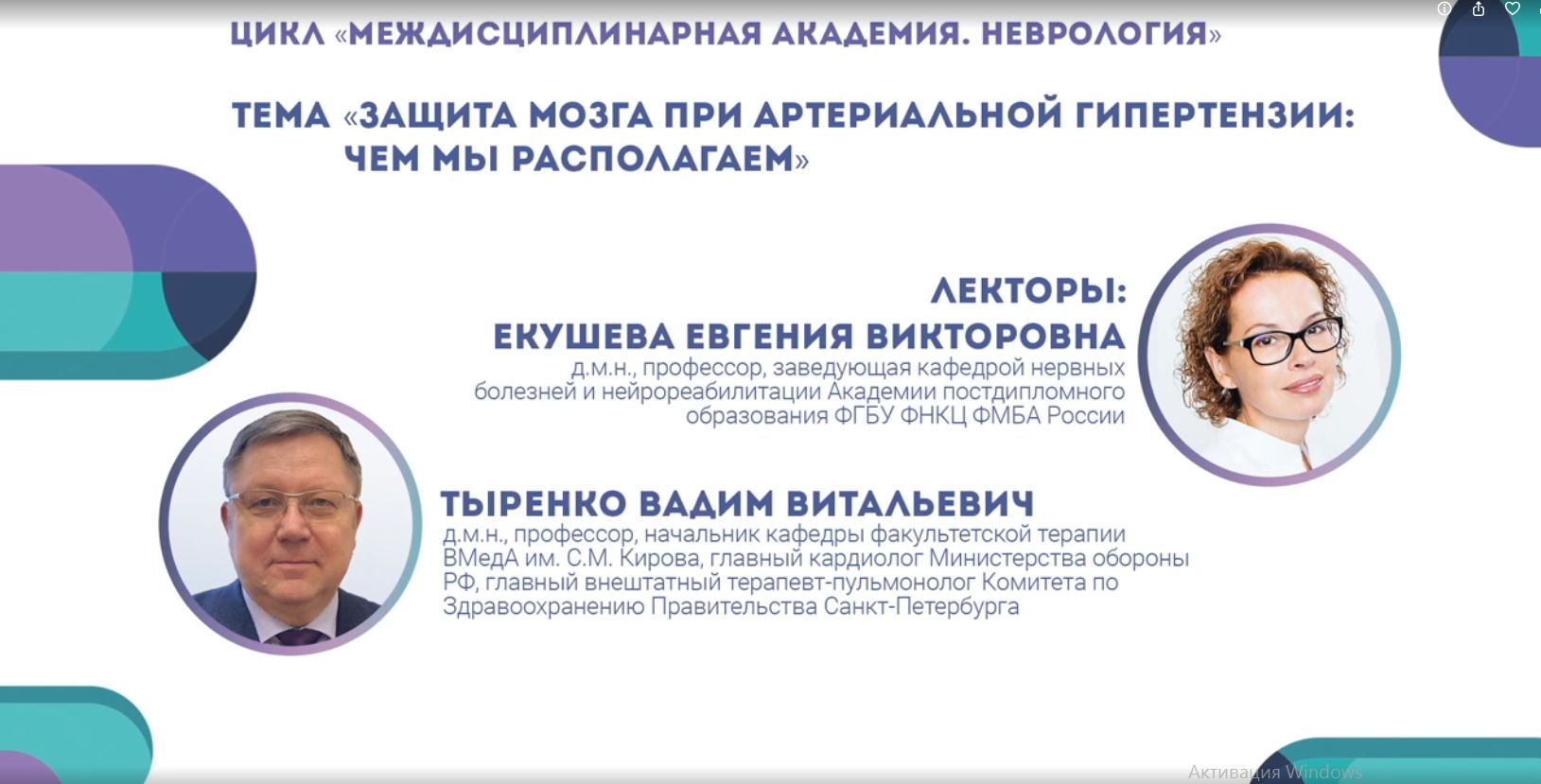
Brain protection in arterial hypertension: what we have

Announcement:

As part of the "Interdisciplinary Academy. Neurology" series, a roundtable discussion was held on current issues in arterial hypertension. Experts—Professor Vadim Vitalyevich Tyrenko and Professor Evgeniya Viktorovna Ekusheva —discussed a key issue: how arterial hypertension damages the brain and leads to cognitive impairment.

What you will learn from the video:

  • Hidden threats: why “silent” infarctions and leukoaraiosis are detected only by MRI;
  • Early symptoms: how to recognize cognitive impairment before dementia develops;
  • Treatment Errors: Why Blood Pressure Control Isn't Enough to Protect the Brain;
  • Neuroprotection: clinical data on drugs with proven efficacy (including Mexidol);
  • A cardiologist's advice: which antihypertensive drugs best protect cerebral blood vessels.

Watch the full analysis with evidence and clinical cases!

Watch the video

Brain protection in arterial hypertension: what we have

Vadim Vitalievich Tyrenko , MD, Professor, Head of the Department of Faculty Therapy at the S.M. Kirov Military Medical Academy, Chief Cardiologist of the Russian Ministry of Defense, and Chief Pulmonologist of the Healthcare Committee of the Government of St. Petersburg.

Evgeniya Viktorovna Ekusheva , Doctor of Medical Sciences, Professor, Head of the Department of Nervous System Diseases and Neurorehabilitation at the Academy of Postgraduate Education of the Federal Scientific and Clinical Center of the Federal Medical and Biological Agency of Russia.
Prognostic value of biomarkers in ischemic stroke

Announcement:

Key topics for discussion:

Key topics for discussion:

  • Relevance of the problem and statistics;
  • Definition of biomarkers and their importance;
  • Promising biomarkers;
  • The future lies in omics technologies (proteomics, metabolomics), which allow the analysis of thousands of molecules for personalized therapy;
  • Clinical applications (neuroprotection and targeted therapy).

Biomarkers are the key to accurate diagnosis and personalized treatment of stroke!

Watch the video

Prognostic value of biomarkers in ischemic stroke

Lecturer: Ivan Aleksandrovich Shchukin , PhD, Associate Professor of the Department of Neurology, Neurosurgery and Medical Genetics of the Leningrad Branch of the N.I. Pirogov Russian National Research Medical University.
The brain is a target organ of arterial hypertension

Announcement:

Arterial hypertension (AH) is a global problem, “getting younger” and affecting people regardless of social status. Primary care physicians often face late diagnosis, and patients – consequences: from cognitive impairment to dementia.

Key topics:

  • Diagnosis of hypertension: ABPM (daily blood pressure monitoring) is the gold standard;
  • Patient profile: obesity, diabetes, stress – “red flags”. Young patients at risk;
  • Target organ No. 1 – the brain: how hypertension destroys cognitive functions (memory, attention, speed of thinking) and increases the risk of stroke;
  • The role of the therapist: achieving target blood pressure, early screening of cognitive impairment (tests: Montreal Scale, Trail Making Test).

Therapy:

  • Basis: ACE inhibitors/sartans + calcium antagonists/diuretics.
  • Neuroprotection: Mexidol is a multimodal drug with proven efficacy (MEMO study).

Early diagnosis and a comprehensive approach save the brain and quality of life of patients!

Watch the video

The brain is a target organ of arterial hypertension

Aleksey Ivanovich Kochetkov , PhD, functional diagnostics physician, associate professor at the Department of Therapy and Polymorbid Pathology named after Academician M.S. Vovsi, Federal State Budgetary Educational Institution of Higher Professional Education, Russian Medical Academy of Postgraduate Education, Ministry of Health of the Russian Federation.

Evgeniya Viktorovna Ekusheva , Doctor of Medical Sciences, Professor, Head of the Department of Nervous System Diseases and Neurorehabilitation at the Academy of Postgraduate Education of the Federal Scientific and Clinical Center of the Federal Medical and Biological Agency of Russia.
Post-stroke neurorehabilitation - consensus of a neurologist and rehabilitation specialist

Announcement:

In the webinar, experts discuss modern approaches to rehabilitation after a stroke and consider such issues as:

  • Neuroplasticity – how the brain recovers from damage;
  • The role of pharmacotherapy – how Mexidol (ethylmethylhydroxypyridine succinate) improves functional recovery and reduces the effects of ischemia;
  • Neglect syndrome - how to recognize and correct it in time;
  • Multidisciplinary rehabilitation is a combination of drug and non-drug methods (occupational therapy, exercise therapy, psychocorrection).

Key takeaway: Mexidol is one of the most effective neuroprotectors, confirmed by clinical studies, including improvement in motor function, cognitive recovery, and quality of life for patients.

Although the focus is on antidepressants, it is emphasized that drugs with neuroprotective action (such as Mexidol) also affect BDNF (brain-derived neurotrophic factor), improving recovery.

Watch the full recording for details!

Watch the video

Post-stroke neurorehabilitation - consensus of a neurologist and rehabilitation specialist

Anatoly Ivanovich Fedin , MD, PhD, Professor Emeritus, Head of the University Clinic of Neurology at the N.I. Pirogov Russian National Research Medical University of the Ministry of Health of the Russian Federation, Scientific Director of the Khamovniki Rehabilitation Clinic, and Honored Doctor of the Russian Federation.

Vitaly Vladimirovich Kovalchuk - Doctor of Medical Sciences, Professor, Honored Doctor of the Russian Federation, Chairman of the Society of Rehabilitation Specialists of St. Petersburg, Head of the Medical Rehabilitation Center, Head of the Department of Rehabilitation of Patients with CNS Disorders of St. Petersburg State Budgetary Healthcare Institution "City Hospital No. 38".
Ischemic stroke: pathogenesis, prognosis, features of patient management

Announcement:


As part of the “Interdisciplinary Academy. Neurology” series, a round table was held on current issues of ischemic stroke.

Key topics for discussion:

  • Pathogenesis of stroke – the role of oxidative stress, mitochondrial dysfunction and neurodegenerative processes;
  • Diagnosis and prognosis – risk factors, severity markers and rehabilitation options;
  • Modern approaches to therapy – the effectiveness of neuroprotective strategies, including the use of Mexidol (proven effect on antioxidant protection and restoration of energy metabolism).

Practical conclusions:

  • The importance of early diagnosis and prevention: control of blood pressure, diabetes, depression and venous insufficiency;
  • Early diagnosis of chronic ischemia is the key to preventing stroke;
  • The role of biochemical markers in predicting the course of stroke;
  • Optimal treatment regimens to improve patients' quality of life.

Find out how brain biochemistry influences stroke prognosis and which methods are already changing clinical practice today! Watch the full recording of the roundtable to stay up to date!

Watch the video

Ischemic stroke: pathogenesis, prognosis, features of patient management

Chukanova Elena Igorevna - Doctor of Medical Sciences, Professor of the Department of Neurology and Neurosurgery of the Faculty of Medicine of the Federal State Autonomous Educational Institution of Higher Education Russian National Research Medical University named after N.I. Pirogov of the Ministry of Health of the Russian Federation.

Anna Sergeevna Chukanova , MD, PhD, Associate Professor of the Department of Neurology and Neurosurgery, Faculty of Medicine, N.I. Pirogov Russian National Research Medical University, Ministry of Healthcare of the Russian Federation.

Evgeniya Viktorovna Ekusheva , Doctor of Medical Sciences, Professor, Head of the Department of Nervous System Diseases and Neurorehabilitation at the Academy of Postgraduate Education of the Federal Scientific and Clinical Center of the Federal Medical and Biological Agency of Russia.
Post -stroke rehabilitation and prevention of re -stroke

Announcement:

In the new episode of the "Neurology Plus" program, Professor Anatoly Ivanovich Fedin and Corresponding Member of the Russian Academy of Sciences, Professor Natalya Aleksandrovna Suponeva, examine modern approaches to stroke rehabilitation and recurrence prevention, including pharmacological support.

The relevance of the discussion is due to the fact that each 4th stroke is repeated, and 60% of patients become disabled, but early rehabilitation significantly improves the prognosis.

The key aspects of rehabilitation include:

  • Early beginning-the first 3-6 months are critical for recovery.
  • Multidisciplinary approach - a team of doctors, kinesitherapists, speech therapists and psychologists.
  • Technologies: robotic mechanotherapy, transcranial magnetic stimulation, exoskeletons.

The prevention of re -stroke includes control of blood pressure (target values ​​are individual), antitrombotic therapy (aspirin, clopidogrel), statins for hyperlipidemia, anticoagulants for patients with atrial fibrillation.

Conclusion: Comprehensive rehabilitation + individual prevention = maximum recovery and reduced risk of recurrent stroke.

Watch the video

Post -stroke rehabilitation and prevention of re -stroke

Anatoly Ivanovich Fedin , MD, PhD, Professor Emeritus, Head of the University Clinic of Neurology at the N.I. Pirogov Russian National Research Medical University of the Ministry of Health of the Russian Federation, Scientific Director of the Khamovniki Rehabilitation Clinic, and Honored Doctor of the Russian Federation.

Natalia Aleksandrovna Suponeva - Doctor of Medical Sciences, Professor, Corresponding Member of the Russian Academy of Sciences, Head of the Department of Neurorehabilitation and Physiotherapy of the Scientific Center of Neurology (Federal State Budgetary Scientific Institution Scientific Center of Neurology).
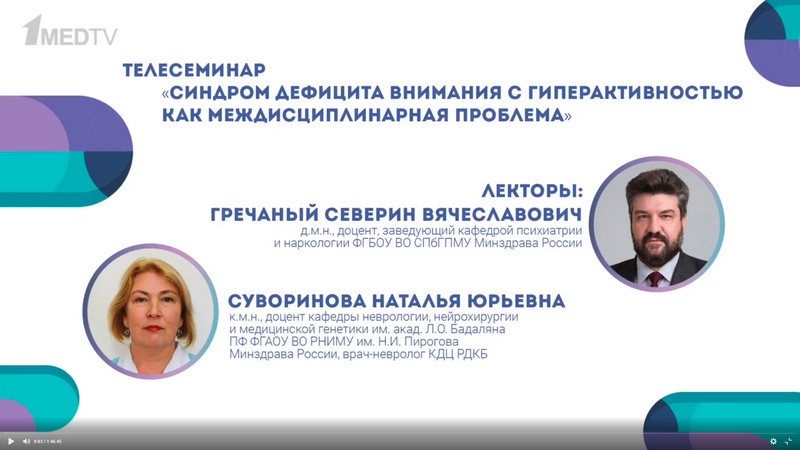
Syndrome of attention deficit with hyperactivity as an interdisciplinary problem. Mexidol® children with ADHD

Announcement:

The syndrome of attention deficit and hyperactivity (ADHD) is a common clinical disorder in children and can manifest itself in the form of impaired attention, manifestations of hyperactivity and impulsiveness. ADHD should be differentiated with other conditions, such as behavior disorder, anxiety disorders, separation anxiety, social alarm and others. ADHD has a complex pathogenesis associated with genetic and biological factors. The approach to treatment requires an interdisciplinary assessment and should include safe drugs aimed at reducing oxidant stress and protecting brain cells from free radicals. Drug treatment using the drug Mexidol® showed high effectiveness in the treatment of ADHD in children.

Watch the video

Syndrome of attention deficit with hyperactivity as an interdisciplinary problem. Mexidol® children with ADHD

Grechany Severin Vyacheslavovich - Doctor of Medical Sciences, Associate Professor, Head of the Department of Psychiatry and Narcology of the Federal State Budgetary Educational Institution of Higher Education St. Petersburg State Pediatric Medical University of the Ministry of Health of the Russian Federation

Natalya Yuryevna Suvorinova , PhD, Associate Professor of the L.O. Badalyan Department of Neurology, Neurosurgery, and Medical Genetics, Pirogov Russian National Research Medical University, Ministry of Health of the Russian Federation; Neurologist, Clinical Diagnostic Center, Russian Children's Clinical Hospital
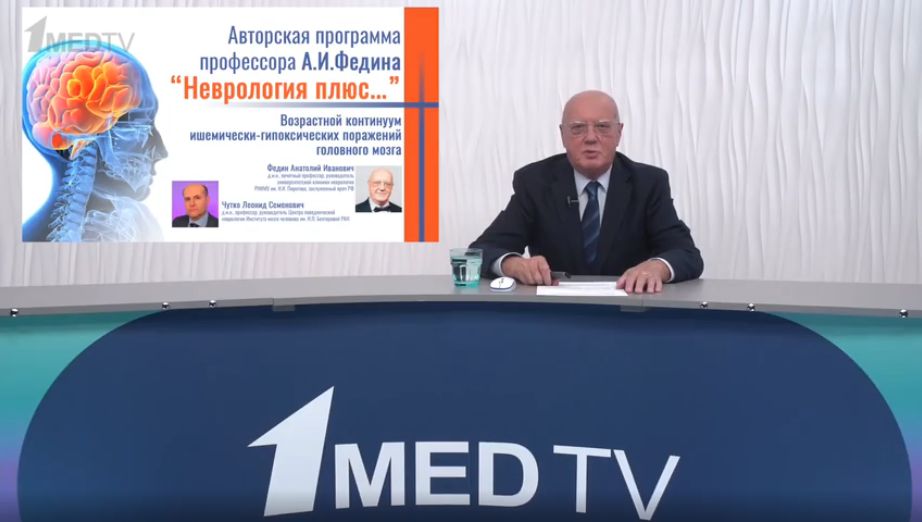
Age continuum of ischemic-hypoxic lesions of the brain. The use of Mexidol for ADHD in children and adults

Announcement:

Many adult illnesses begin in childhood. Attention deficit hyperactivity disorder (ADHD) is a disorder characterized by inattention, hyperactivity, and impulsivity and can be caused by various factors, including genetic, perinatal, and psychological factors. Treatment of ADHD in children involves psychological intervention, psychotherapy, and nootropic medications. One such medication with a proven high safety profile is Mexidol®.In clinical trials, Mexidol®demonstrated high efficacy and safety in the treatment of children with attention deficit disorder, resulting in improved cognitive function, antiasthenic effects, and normalization of autonomic functions.

Watch the video

Age continuum of ischemic-hypoxic lesions of the brain. The use of Mexidol for ADHD in children and adults

Anatoly Ivanovich Fedin – Doctor of Medical Sciences, Professor Emeritus, Head of the University Clinic of Neurology at the N.I. Pirogov Russian National Research Medical University, Honored Doctor of the Russian Federation

Chutko Leonid Semenovich – Doctor of Medical Sciences, Professor, Head of the Center for Behavioral Neurology at the N.P. Bekhtereva Institute of the Human Brain of the Russian Academy of Sciences

Rehabilitation after COVID-19: the use of Mexidol® in the treatment of post-COVID disorders

Announcement:

Oxidative stress and energy deficiency are the primary mechanisms underlying the pathogenesis of neurological disorders following coronavirus infection. Therefore, antioxidants, antihypoxants, and energy-correcting medications are essential for patients who have recovered from COVID-19. Mexidol®is a pathogenetically proven drug that helps treat neurological disorders. Mexidol®, by restoring mitochondrial energy-synthesizing function and neutralizing oxidative stress in nervous tissue, reduces the severity of asthenia and improves sleep and cognitive function after coronavirus infection. Studies of Mexidol® have shown that it also reduces the symptoms of chronic cerebral ischemia, improving the quality of life of patients who have recovered from coronavirus infection.

Watch the video

Rehabilitation after COVID-19: the use of Mexidol® in the treatment of post-COVID disorders

Evgeniya Viktorovna Yekusheva – Doctor of Medical Sciences, Professor, Head of the Department of Nervous System Diseases and Neurorehabilitation of the Academy of Postgraduate Education of the Federal Scientific and Clinical Center of the Federal Medical and Biological Agency of Russia

Vitaly Vladimirovich Kovalchuk – Doctor of Medical Sciences, Professor, Chairman of the Society of Rehabilitation Specialists of St. Petersburg, Head of the Department of Neurological Rehabilitation of the St. Petersburg State Budgetary Healthcare Institution “City Hospital No. 38 named after N.A. Semashko”
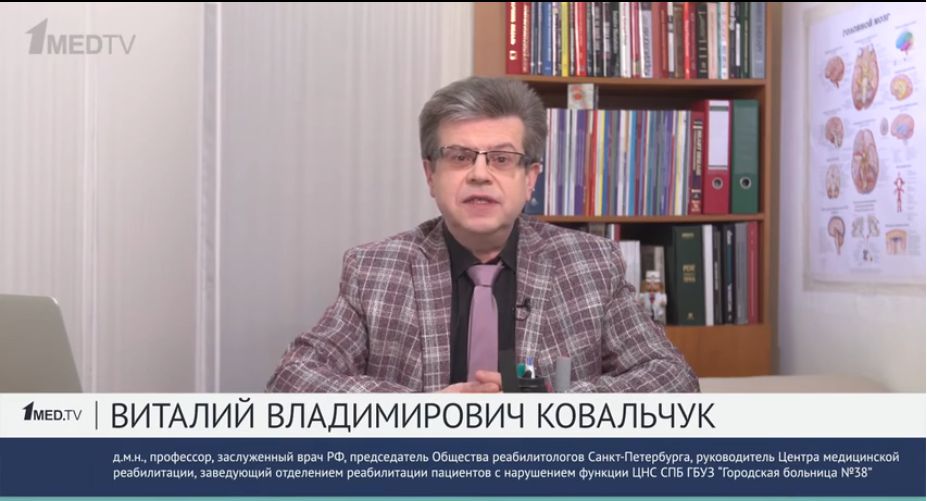
Mexidol®. Rehabilitation after coronavirus

Announcement:

Patients diagnosed with COVID-19 require special attention and a multifaceted management process, the foundation of which is the timely and appropriate use of medication and rehabilitation. COVID-19 can be associated with central and peripheral nervous system disorders, such as encephalitis, meningitis, leukoencephalopathy, and Guillain-Barré syndrome. The quality of the patient's recovery depends on proper rehabilitation. Mexidol®recovering from the effects of the novel coronavirus.

Watch the video

Mexidol®. Rehabilitation after coronavirus

Vitaly Vladimirovich Kovalchuk – Doctor of Medical Sciences, Professor, Chairman of the Society of Rehabilitation Specialists of St. Petersburg, Head of the Department of Neurological Rehabilitation of the St. Petersburg State Budgetary Healthcare Institution “City Hospital No. 38 named after N.A. Semashko”
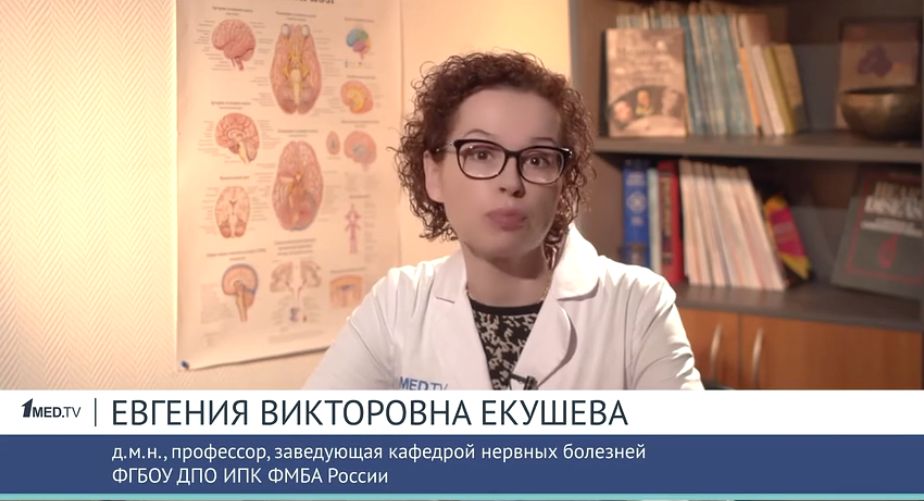
The effectiveness of Mexidol in a comorbid patient: with arterial hypertension, coronary heart disease, brain ischemia

Announcement:

A comorbid patient is a patient encountered by physicians of virtually any specialty. These patients are characterized by the presence of several chronic diseases. Comorbid patients are especially common among the elderly. A classic example of such a patient is a patient with metabolic syndrome. It encompasses several conditions, including hypertension, obesity, dyslipidemia, and diabetes. The brain of a patient with metabolic syndrome is particularly susceptible to pathological processes. Therefore, one of the primary goals of physicians is to protect this neuronal structure. Mexidol® is often used in this task. The use of Mexidol® in ischemia, hypertension, and other conditions helps prevent complications.

Watch the video

The effectiveness of Mexidol in a comorbid patient: with arterial hypertension, coronary heart disease, brain ischemia

Evgeniya Viktorovna Yekusheva – Doctor of Medical Sciences, Professor, Head of the Department of Nervous System Diseases and Neurorehabilitation of the Academy of Postgraduate Education of the Federal Scientific and Clinical Center of the Federal Medical and Biological Agency of Russia
Mexidol's effectiveness in a polymorbid patient

Announcement:

What is polypharmacy? The simultaneous use of multiple medications by a patient to treat a specific condition is called polypharmacy. Unfortunately, this phenomenon carries certain risks: adverse reactions, treatment complications, and poor patient adherence. The use of multimodal medications is one possible solution to the problem of polypharmacy. These medications have the ability to address not just one, but several underlying causes of the disease. One such medication is Mexidol®. Mexidol®'s effectiveness has been proven in numerous studies, and its effect is multimodal.

Watch the video

Mexidol's effectiveness in a polymorbid patient

Anton Pavlovich Pereverzev – PhD, Associate Professor of the Department of Therapy and Polymorbid Pathology of the Federal State Budgetary Educational Institution of Higher Professional Education, Russian Medical Academy of Postgraduate Education, Ministry of Health of the Russian Federation
Features of conducting elderly patients in clinical practice

Announcement:

The free-radical theory of aging explains the imbalance in the pro- and antioxidant systems, leading to mitochondrial dysfunction and premature aging. Experimental animal studies have shown that Mexidol®activates mitochondrial functioning and reverses mitochondrial dysfunction. This leads to results such as increased lifespan and normalized behavioral responses. Accordingly, taking Mexidol® in old age can improve the quality and duration of life.

Watch the video

Features of conducting elderly patients in clinical practice

Ostroumova Olga Dmitrievna – Doctor of Medical Sciences, Professor, Head. Department of Therapy and Polymorbid Pathology named after. Academician M.S. Vovsi FSBEI DPO RMANPE Ministry of Health of Russia

Anna Nikolaevna Bogolepova Doctor of Medical Sciences, Professor of the Department of Neurology, Neurosurgery and Medical Genetics of the Faculty of Medicine of the Pirogov Russian National Research Medical University of the Ministry of Health of the Russian Federation
Mexidol®-Anti-Age (anti-aging) drug

Announcement:

How does aging occur? What processes occur during this process? For a long time, science had no answers to these questions. However, with the advent of inflammaging theory, we have come closer to explaining this phenomenon. According to this theory, the aging process and the development of geriatric syndromes are associated with the progression of chronic, aseptic inflammation. This process is exacerbated by oxidative stress, which is one of the main causes of inflammation. This is where pharmacological and non-pharmacological methods come to the rescue. Mexidol®has been studied in laboratory animal studies, which demonstrated its ability to prolong life. Mexidol® hasantioxidant, antihypoxic, and membrane-stabilizing effects.

Watch the video

Mexidol®-Anti-Age (anti-aging) drug

Anton Pavlovich Pereverzev – PhD, Associate Professor of the Department of Therapy and Polymorbid Pathology of the Federal State Budgetary Educational Institution of Higher Professional Education, Russian Medical Academy of Postgraduate Education, Ministry of Health of the Russian Federation
Dorsopathy in general clinical practice

Announcement:

Physicians frequently encounter diseases and conditions known as "vertebral artery syndrome," "dorsopathies," and "vertebrobasilar insufficiency." The clinical picture is characterized by a combination of autonomic and ischemic symptoms, manifested by dizziness, double vision, and insomnia. It is crucial to distinguish and differentiate these complaints. If vertebrobasilar insufficiency is suspected, differential diagnosis must be performed with other conditions that can lead to vertebral artery pathology. Mexidol® is often prescribed to improve the patient's well-being and normalize blood circulation. Mexidol® dizziness through a multimodal mechanism and improves quality of life.

Watch the video

Dorsopathy in general clinical practice

Ostroumova Olga Dmitrievna – Doctor of Medical Sciences, Professor, Head. Department of Therapy and Polymorbid Pathology named after. Academician M.S. Vovsi FSBEI DPO RMANPE Ministry of Health of Russia

Anatoly Ivanovich Fedin – Doctor of Medical Sciences, Professor Emeritus, Head of the University Clinic of Neurology at the N.I. Pirogov Russian National Research Medical University, Honored Doctor of the Russian Federation
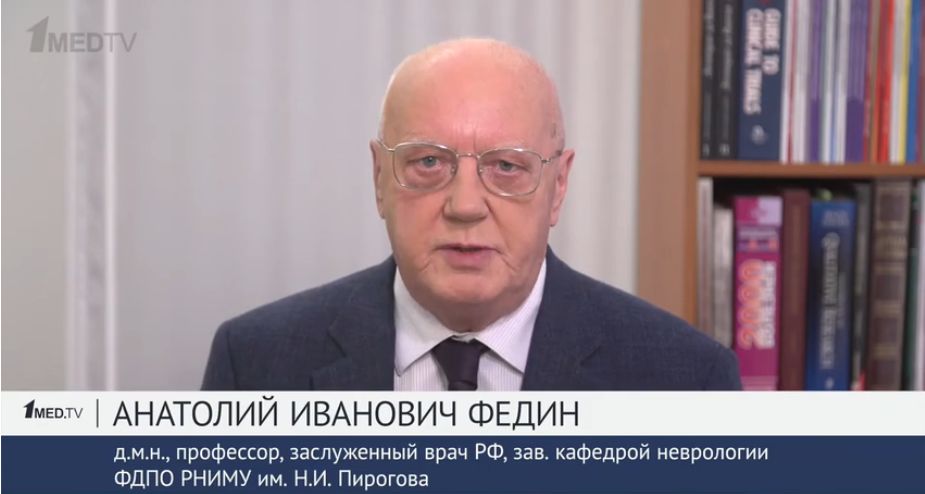
Mexidol® with degenerative diseases in the spine, neck pain, dizziness, brain ischemia

Announcement:

The syndrome of the vertebral artery, or spa is a serious pathology in which the blood flow in the vertebral artery is disturbed due to various causes (in particular, due to osteochondrosis of the cervical spine), and manifested by dizziness, impaired coordination of movement, double-eye in the eyes, etc. The same brain ischemia (discirculatory encephalopathy), but associated with degenerative diseases in the spine. It is extremely important to prevent the progression of the condition and choose effective comprehensive treatment, including drug and non -human therapy.

Watch the video

Mexidol® with degenerative diseases in the spine, neck pain, dizziness, brain ischemia

Anatoly Ivanovich Fedin – Doctor of Medical Sciences, Professor Emeritus, Head of the University Clinic of Neurology at the N.I. Pirogov Russian National Research Medical University, Honored Doctor of the Russian Federation

Brain - target of arterial hypertension

Announcement:

Hypertension is a major risk factor for hemorrhagic and ischemic stroke. It is also one of the strongest risk factors for cognitive impairment. Neurocytoprotective therapy is a field of neurology that utilizes various medications to protect the brain. How to choose the right neurocytoprotector? It's important to consider its mechanism of action. The ideal medication should have a multimodal effect, affecting multiple processes associated with brain damage. One such medication is Mexidol®.In this video, specialists will discuss the use of Mexidol® and why Mexidol® is an important treatment option for hypertension .

Watch the video

Brain - target of arterial hypertension

Ostroumova Olga Dmitrievna – Doctor of Medical Sciences, Professor, Head. Department of Therapy and Polymorbid Pathology named after. Academician M.S. Vovsi FSBEI DPO RMANPE Ministry of Health of Russia

Vladimir Vladimirovich ZakharovDoctor of Medical Sciences, Professor of the Department of Nervous System Diseases of the Faculty of Medicine of the First Moscow State Medical University named after I.M. Sechenov
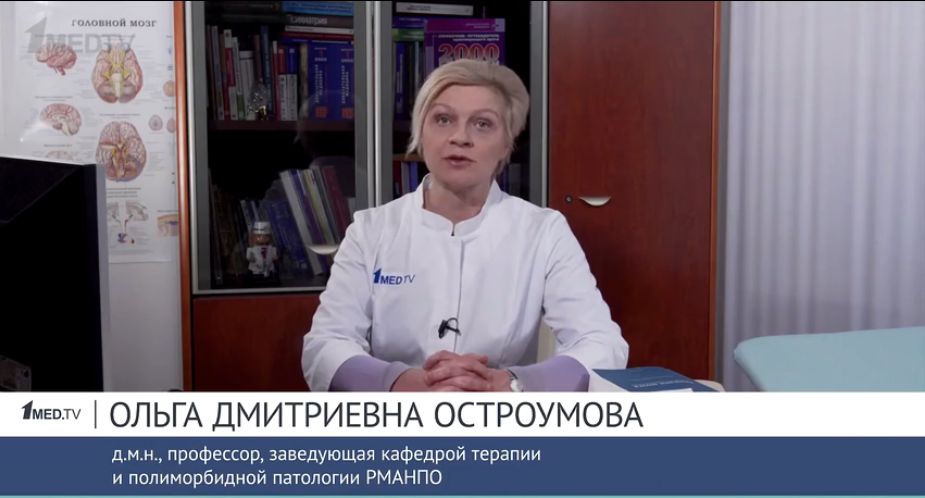
Mexidol® for arterial hypertension (AG). AH and cognitive disorders, effective correction methods

Announcement:

Increased blood pressure is the main factor of high risk of premature death, brain stroke, myocardial infarction and other cardiovascular complications.

The most vulnerable blending organ with arterial hypertension is the brain.

The clinical manifestation of brain damage, the target organ of hypertension, is cognitive impairment, such as memory and attention deficits. Thus, cognitive impairment is caused by hypertension. To optimize antihypertensive therapy, in addition to standard medications, it is necessary to include neurometabolic agents, preferably those that deliver multiple effects in a single tablet. Mexidol® is such a drug.It has a membrane-stabilizing and antioxidant effect and improves cerebral perfusion, which is extremely important in hypertension. Proper standard therapy and the right adjunctive medication with a multimodal mechanism of action ensure maximum improvement in cognitive function and, consequently, in patients' quality of life.

Watch the video

Mexidol® for arterial hypertension (AG). AH and cognitive disorders, effective correction methods

Ostroumova Olga Dmitrievna – Doctor of Medical Sciences, Professor, Head. Department of Therapy and Polymorbid Pathology named after. Academician M.S. Vovsi FSBEI DPO RMANPE Ministry of Health of Russia
Arterial hypertension and cognitive disorders. Mexidol's effectiveness

Announcement:

The brain is one of the main target organs of arterial hypertension. The most common cerebral symptoms of arterial hypertension should include headaches mainly in the nape area, as a rule, in the morning, dizziness of varying degrees of severity, noise in the ears and visual impairment. Mexidol® is a drug that has an evidence base and is effective for patients with arterial hypertension.

Watch the video

Arterial hypertension and cognitive disorders. Mexidol's effectiveness

Evgeniya Viktorovna Yekusheva – Doctor of Medical Sciences, Professor, Head of the Department of Nervous System Diseases and Neurorehabilitation of the Academy of Postgraduate Education of the Federal Scientific and Clinical Center of the Federal Medical and Biological Agency of Russia

Aleksey Ivanovich Kochetkov, PhD, Associate Professor, Department of Therapy and Polymorbid Pathology named after Academician M.S. Vovsi, Federal State Budgetary Educational Institution of Higher Professional Education, Russian Medical Academy of Postgraduate Education, Ministry of Health of the Russian Federation
Alcoholism as an interdisciplinary problem

Announcement:

Alcohol withdrawal syndrome is a condition experienced by a person after prolonged alcohol consumption. It is characterized by a neurotransmitter storm and can lead to serious physical and mental impairment. Withdrawal syndrome can cause complications, such as heart rhythm disturbances and cerebrovascular accidents. Therefore, it is important to seek medical attention as soon as possible. Early treatment can prevent complications and initiate effective treatment. For example, the drug Mexidol® can reduce the symptoms of intoxication, relieve headaches, and mitigate the harmful effects of alcohol during withdrawal . Several studies confirm its effectiveness and beneficial effects.

Watch the video

Alcoholism as an interdisciplinary problem

Evgeniya Viktorovna Yekusheva – Doctor of Medical Sciences, Professor, Head of the Department of Nervous System Diseases and Neurorehabilitation of the Academy of Postgraduate Education of the Federal Scientific and Clinical Center of the Federal Medical and Biological Agency of Russia

Evgeny Sergeevich Kurasov – Doctor of Medical Sciences, Professor, physician of the highest category, psychiatrist, psychotherapist, narcologist, head of the psychiatry clinic of the S.M. Kirov Military Medical Academy of the Russian Ministry of Defense

The use of Mexidol with alcoholic withdrawal syndrome (hangover)

Announcement:

About 2 million people per year dies from alcohol. Alcoholism carries not only a violation of the function of the central nervous system, but also metabolic changes in the whole organism. Therefore, in the complex therapy of patients with alcoholic withdrawal, not only drugs affecting the neurotransmitter balance are used, but also drugs of the antioxidant and anti -hyphyxant group. One of the classic examples of such drugs is Mexidol®. This drug significantly improves the overall health of patients, restores their cognitive functions: memory and attention. Mexidol® with a hangover relieves headache, nausea and dizziness.

Watch the video

The use of Mexidol with alcoholic withdrawal syndrome (hangover)

Evgeny Sergeevich Kurasov – Doctor of Medical Sciences, Professor, physician of the highest category, psychiatrist, psychotherapist, narcologist, head of the psychiatry clinic of the S.M. Kirov Military Medical Academy of the Russian Ministry of Defense
Actual strategies for neuroprotement in glaucoma

Announcement:

The primary goal of glaucoma treatment is to preserve visual function and quality of life at a reasonable cost. Neuroprotection is a crucial aspect of maintaining visual function in patients with glaucoma. Studies have demonstrated the efficacy and safety of Mexidol® in patients with primary open-angle glaucoma stages I-III.

Watch the video

Actual strategies for neuroprotement in glaucoma

Egorov Evgeniy Alekseevich – Doctor of Medical Sciences, Professor, President of the Russian Glaucoma Society, Head. Department of Ophthalmology named after. Academician A.P. Nesterov RNRMU named after. N.I. Pirogov
Glaucoma and age -related macular degeneration in clinical practice

Announcement:

Glaucoma is a disease characterized by increased intraocular pressure. This leads to damage to the optic nerve and vision loss. However, don't despair! Early diagnosis, appropriate treatment, and the use of neurocytoprotectors can prevent vision loss. The role of hypoxia, chemical imbalances, and oxidative stress in the pathogenesis of glaucoma is undeniable. But what role do neurocytoprotectors play in patients with glaucoma? Research shows that neurocytoprotectors play a crucial role in maintaining visual function in patients with this disease. They help maintain the survival of retinal ganglion cells and slow optic nerve degeneration. Mexidol® is one proven neurocytoprotector. Studies of Mexidol® confirm its high efficacy in the treatment of glaucoma and other optic nerve diseases.

Watch the video

Glaucoma and age -related macular degeneration in clinical practice

Evgeniya Viktorovna Yekusheva – Doctor of Medical Sciences, Professor, Head of the Department of Nervous System Diseases and Neurorehabilitation of the Academy of Postgraduate Education of the Federal Scientific and Clinical Center of the Federal Medical and Biological Agency of Russia

Egorov Evgeniy Alekseevich – Doctor of Medical Sciences, Professor, President of the Russian Glaucoma Society, Head. Department of Ophthalmology named after. Academician A.P. Nesterov RNRMU named after. N.I. Pirogov
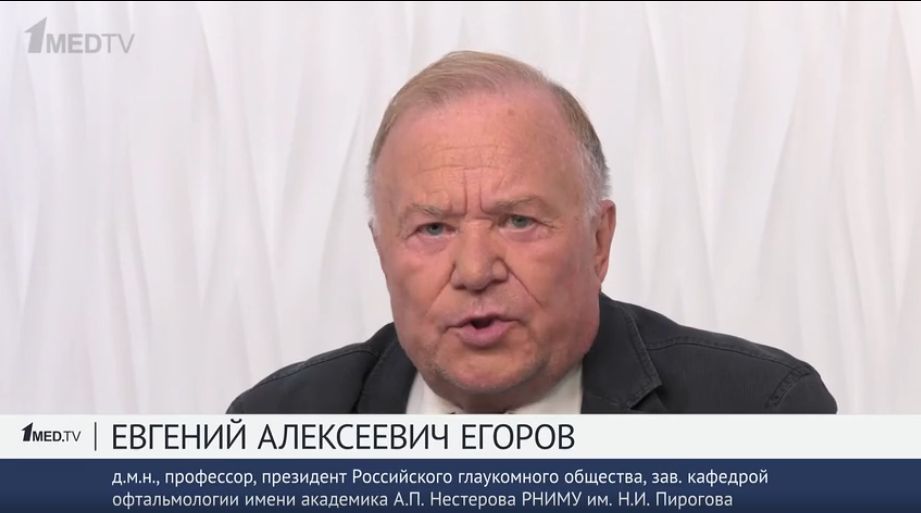
Mexidol® with glaucoma and age -related macular degeneration

Announcement:

Glaucoma is the silent killer of the optic nerve. Its main danger is that it often progresses unnoticed by the patient and can progress without affecting intraocular pressure. Another dreaded disease is age-related macular degeneration. It affects the center of the macula in the retina, which is responsible for clear vision. Glaucoma and age-related macular degeneration are two diseases that can lead to blindness. To preserve visual function in these conditions, retinoprotection—protecting the retina—is crucial. hasMexidol® for glaucoma and other optic nerve lesions of any severity. 

Watch the video

Mexidol® with glaucoma and age -related macular degeneration

Egorov Evgeniy Alekseevich – Doctor of Medical Sciences, Professor, President of the Russian Glaucoma Society, Head. Department of Ophthalmology named after. Academician A.P. Nesterov RNRMU named after. N.I. Pirogov
Mexidol® for chronic brain ischemia / discirculatory encephalopathy

Announcement:

Chronic cerebral ischemia is a condition characterized by a mismatch between the blood supply to brain tissue and its need for oxygen and nutrients. This condition can arise due to cerebral atherosclerosis and stenosis, as well as microangiopathy associated with hypertension. Endothelial dysfunction, neurogenic inflammation, and oxidative stress all contribute to inadequate tissue blood supply. A drug that addresses all these factors is essential. Mexidol®is the drug of choice because it has antihypoxic, antioxidant, and membrane-protective effects. It influences vascular risk factors, hyperglycemia, and hypertension to some extent. It has nootropic, anxiolytic, and anti-anxiety effects, and normalizes sleep. It also has a geroprotective effect. Mexidol®is the drug of choice for the treatment of chronic cerebral ischemia.

Watch the video

Mexidol® for chronic brain ischemia / discirculatory encephalopathy

Lyubov Petrovna Sokolova – Doctor of Medical Sciences, Professor of the Department of Neurology, Faculty of Continuing Professional Education, N.I. Pirogov Russian National Research Medical University
Mexidol® in memory of memory, anxiety, decreased mood, depression

Announcement:

Memory impairment is a common problem among the elderly. These disorders are often associated with cerebrovascular accidents and associated medical conditions. Patients not only lose the ability to remember information but also experience anxiety, low mood, and other symptoms. In this video, we'll discuss the causes of memory impairment, how to choose the right medication for treatment, why Mexidol® for memory has a pronounced ability to improve memory, and how Mexidol® works for depression.

Watch the video

Mexidol® in memory of memory, anxiety, decreased mood, depression

Mkhitaryan Elen Araikovna – PhD, Associate Professor of the Department of Aging Diseases of the Faculty of Continuing Professional Education of the Russian National Research Medical University named after N.I. Pirogov of the Ministry of Health of the Russian Federation, Head of the Laboratory of Neurogeriatrics of the Russian Scientific Clinical Center
The effectiveness of Mexidol® for cognitive disorders: decrease in memory, attention, performance

Announcement:

It has now been proven that cognitive impairment is the main symptom of chronic cerebral ischemia. This symptom is crucial for both the physician and the patient. For the patient, it is cognitive impairment that impairs quality of life, and for the physician, it is the primary diagnostic criterion. Mexidol® is often recommended as a pathogenetic therapy. Mexidol® has an anti-amnestic effect on memory and attention and has a pronounced ability to improve higher nervous system processes. Its effectiveness has been proven for cerebral ischemia, cognitive impairment, anxiety disorders, and other disorders.

Watch the video

The effectiveness of Mexidol® for cognitive disorders: decrease in memory, attention, performance

Vladimir Vladimirovich Zakharov – Doctor of Medical Sciences, Professor of the Department of Nervous System Diseases of the Faculty of Medicine of the First Moscow State Medical University named after I.M. Sechenov
We will improve attention and memory, performance. The use of Mexidol for cognitive disorders

Announcement:

Proper nutrition and mental stimulation are key to maintaining brain function. We often ask ourselves, "How can I maintain my mental abilities throughout my life?" On the one hand, there are people who need notes and help from others to remember even the simplest things. On the other hand, there are those who, even in old age, retain excellent memory and clear thinking without any difficulty. So, is it possible to maintain mental acuity throughout life? Of course! To do this, you need to follow certain rules and train your brain. In this video, we've compiled helpful tips and practical recommendations for maintaining and improving memory, intelligence, and concentration, as well as answers to questions about using Mexidol®.

Watch the video

We will improve attention and memory, performance. The use of Mexidol for cognitive disorders

Shchukin Ivan Aleksandrovich – PhD, Associate Professor of the Department of Neurology and Neurosurgery, N.I. Pirogov Russian National Research Medical University, Moscow
Cranial injury in clinical practice

Announcement:

Traumatic brain injury (TBI) cannot be prevented. However, its incidence remains very high. Post-concussion syndrome is a common complication following TBI. These patients most often complain of decreased concentration and memory impairment. The use of neurocytoprotectors, one of the most promising classes of medications for the treatment of neurological diseases, allows for the effective management of patients with TBI. in patients with TBI reduces oxidative stress and promotes the normalization of brain metabolism 

Watch the video

Cranial injury in clinical practice

Evgeniya Viktorovna Yekusheva – Doctor of Medical Sciences, Professor, Head of the Department of Nervous System Diseases and Neurorehabilitation of the Academy of Postgraduate Education of the Federal Scientific and Clinical Center of the Federal Medical and Biological Agency of Russia

Pavel Rudolfovich Kamchatnov , Doctor of Medical Sciences, Professor of the Department of Neurology, Neurosurgery, and Medical Genetics of the Faculty of Medicine at the N.I. Pirogov Russian National Research Medical University
Features of conducting elderly patients with chronic brain ischemia

Announcement:

Age is a relative concept. In the last century, 60 years was considered old age. Nowadays, patients in their 70s and even 80s are often seen at the doctor's office. Cognitive impairments can be a sign of serious illnesses and require medical attention. Diagnosis of cognitive impairment should begin early. Mexidol® is an effective and safe medication for the elderly . The video presents diagnostic methods and explains the principles of treatment for cognitive impairment in patients. 

Watch the video

Features of conducting elderly patients with chronic brain ischemia

Evgeniya Viktorovna Yekusheva – Doctor of Medical Sciences, Professor, Head of the Department of Nervous System Diseases and Neurorehabilitation of the Academy of Postgraduate Education of the Federal Scientific and Clinical Center of the Federal Medical and Biological Agency of Russia

Mkhitaryan Elen Araikovna – PhD, Associate Professor of the Department of Aging Diseases of the Faculty of Continuing Professional Education of the Russian National Research Medical University named after N.I. Pirogov of the Ministry of Health of the Russian Federation, Head of the Laboratory of Neurogeriatrics of the Russian Scientific Clinical Center
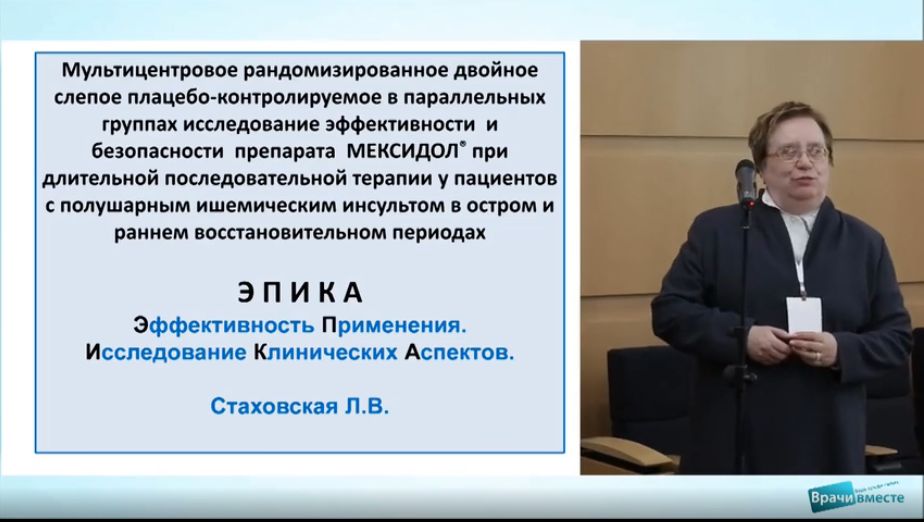
Epica. Study of the effectiveness and safety of Mexidol in the treatment of strokes

Announcement:

Mexidol®is a well-known medication with proven efficacy, helping patients return to active life with long-term therapy. The EPICA study of Mexidol® clinically evaluated its efficacy and safety in patients with ischemic stroke. 

Watch the video

Epica. Study of the effectiveness and safety of Mexidol in the treatment of strokes

Lyudmila Vitalievna Stakhovskaya – Doctor of Medical Sciences, Professor, Director of the Research Institute of Cerebrovascular Pathology and Stroke, Department of Fundamental and Clinical Neurology and Neurosurgery of the N.I. Pirogov Russian National Research Medical University 
The results of the study of memo - effectiveness and safety of the drug Mexidol®

Announcement:

Medicine is an area that is constantly changing and developing. What was evidence 10 or 15 years ago may not be so relevant today. Requirements for confirmation of the effectiveness and safety of treatment methods, including pharmacotherapy, according to the principles of evidence -based medicine, become more and more strict. We need research that meet certain standards and are carried out on a large number of patients. The proof of the vascular nature of cognitive disorders, treatment protocols and drugs should be based on international-recognized criteria. Based on these criteria, the results of the study of the drug Mexidol® for the effectiveness of chronic brain ischemia are presented.

Watch the video

The results of the study of memo - effectiveness and safety of the drug Mexidol®

Vladimir Vladimirovich Zakharov – Doctor of Medical Sciences, Professor of the Department of Nervous System Diseases of the Faculty of Medicine of the First Moscow State Medical University named after I.M. Sechenov
Stroke in the Covid-19 era

Announcement:

During the COVID-19 pandemic, stroke mortality has increased. Stroke development in COVID-19 patients may be associated with various risk factors, such as hypertension and atherosclerosis. The virus can also trigger a cytokine storm and a systemic inflammatory response, which contribute to the development of ischemic stroke. Hemorrhagic stroke is more often associated with COVID-19-associated coagulopathy and red blood cell hemolysis. Stroke patients who have recovered from COVID-19 often require constant assistance with daily living. The structure of care for these patients has not changed, but new clinical methods for managing them have been developed. Taking Mexidol® after COVID-19 has the following effects: membrane protection, antihypoxic action, antioxidant action, and more. Learn more about the effects, as well as taking Mexidol® after stroke and treatment after COVID-19, in our video. 

Watch the video

Stroke in the Covid-19 era

Evgeniya Viktorovna Yekusheva – Doctor of Medical Sciences, Professor, Head of the Department of Nervous System Diseases and Neurorehabilitation of the Academy of Postgraduate Education of the Federal Scientific and Clinical Center of the Federal Medical and Biological Agency of Russia

Ivan Aleksandrovich Shchukin – PhD, Associate Professor of the Department of Neurology, Neurosurgery and Medical Genetics of the Leningrad Branch of the N.I. Pirogov Russian National Research Medical University
Mexidol®. Rehabilitation after a stroke

Announcement:

The consequences and complications of a stroke can be much more dangerous than the stroke itself, so it's important to provide patients with qualified and timely care. One of the key factors for successful rehabilitation after a stroke is its early initiation, including drug therapy with neurocytoprotective agents. Mexidol® after a stroke improves cerebral metabolism, microcirculation, and blood rheology, reduces platelet aggregation, and has a hypolipidemic effect.

Watch the video

Mexidol®. Rehabilitation after a stroke

Vitaly Vladimirovich Kovalchuk – Doctor of Medical Sciences, Professor, Chairman of the Society of Rehabilitation Specialists of St. Petersburg, Head of the Department of Neurological Rehabilitation of the St. Petersburg State Budgetary Healthcare Institution “City Hospital No. 38 named after N.A. Semashko”
Post-stroke rehabilitation: evidence base for the drug Mexidol®

Announcement:

It was previously believed that rehabilitation after a stroke should be delayed for several days or weeks to avoid harming the patient. However, recent research has shown that rehabilitation must begin within the first few hours to avoid severe complications such as neglect syndrome, muscle spasticity, pain syndromes, and psychoemotional and cognitive impairment. Rehabilitation is based on two principles: a multidisciplinary approach to the consequences of a stroke and timely medication support to promote adequate interneuronal connections— one of the key criteria for neuroplasticity.

Watch the video

Post-stroke rehabilitation: evidence base for the drug Mexidol®

Ostroumova Olga Dmitrievna – Doctor of Medical Sciences, Professor, Head. Department of Therapy and Polymorbid Pathology named after. Academician M.S. Vovsi FSBEI DPO RMANPE Ministry of Health of Russia

Vitaly Vladimirovich Kovalchuk – Doctor of Medical Sciences, Professor, Chairman of the Society of Rehabilitation Specialists of St. Petersburg, Head of the Department of Neurological Rehabilitation of the St. Petersburg State Budgetary Healthcare Institution “City Hospital No. 38 named after N.A. Semashko”
Comorbid patient

Announcement:

There are many terms in the literature to describe a combined pathology. However, the key difference is the presence of a pathogenetic connection between diseases. If several diseases are pathogenetically interconnected, then this is comorbidity. With polymorbidity, the disease can be both pathogenetically or not related - this is a broader concept. It is very important to avoid polypragmasis in the therapy of comborbid patients, for this we need to optimize the drug therapy scheme, as well as the use of multimodal drugs. 

Watch the video

Comorbid patient

Ostroumova Olga Dmitrievna – Doctor of Medical Sciences, Professor, Head. Department of Therapy and Polymorbid Pathology named after. Academician M.S. Vovsi FSBEI DPO RMANPE Ministry of Health of Russia

Anton Pavlovich Pereverzev – PhD, Associate Professor of the Department of Therapy and Polymorbid Pathology of the Federal State Budgetary Educational Institution of Higher Professional Education, Russian Medical Academy of Postgraduate Education, Ministry of Health of the Russian Federation
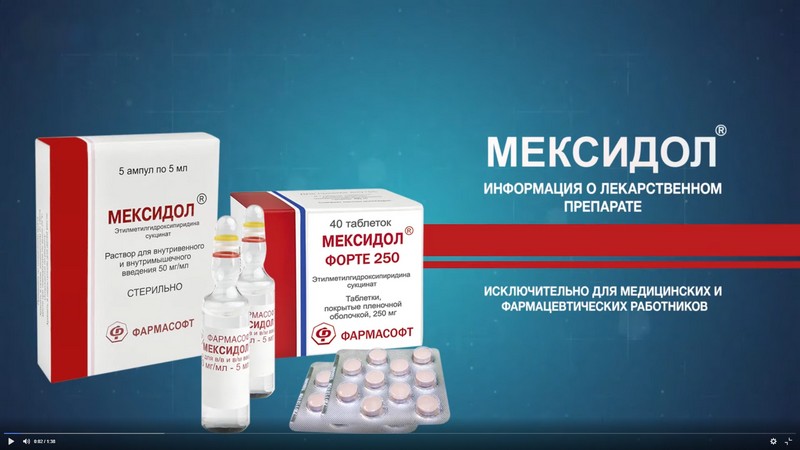

Mexidol® - how to use?

Announcement:

Mexidol® is an original drug, meaning it's a pioneer in its international nonproprietary name (INN). It represents the first synthesized active molecule, having undergone a full cycle of preclinical and clinical studies, demonstrating Mexidol's efficacy's multimodal properties and broad spectrum of pharmacological effectsMexidol®.

Watch the video
Mexidol®. Important differences from analogues

Announcement:

Original drugs or analogues, what to choose? Why is it worth using the original Mexidol®, not generics? In this video, we will discuss the advantages of the original drug over analogues.

Watch the video

Mexidol®. Important differences from analogues

Ivan Aleksandrovich Shchukin – PhD, Associate Professor of the Department of Neurology, Neurosurgery and Medical Genetics of the Leningrad Branch of the N.I. Pirogov Russian National Research Medical University

Mexidol®. Evidence medicine: just about the complex.

Announcement:

Evidence-based medicine is a principle of clinical practice based on the results of randomized controlled trials, rather than the individual opinions and views of a particular physician. A randomized controlled trial is a method of scientific and practical medical experimentation in which subjects are randomly divided into groups: some patients are assigned to the experimental – main – group (e.g., treatment group), while others are assigned to the control group (e.g., placebo group). Clinical guidelines based on the evidence base and the results of numerous studies have been and continue to be developed. They help determine which drug or treatment method is effective in each specific case. One drug that meets the requirements of evidence-based medicine and is also included in clinical guidelines for the treatment of stroke is Mexidol®.Important effects of the drug include antioxidant, antihypoxant, and membrane-stabilizing properties.

Watch the video

Mexidol®. Evidence medicine: just about the complex.

Evgeniya Viktorovna Yekusheva – Doctor of Medical Sciences, Professor, Head of the Department of Nervous System Diseases and Neurorehabilitation of the Academy of Postgraduate Education of the Federal Scientific and Clinical Center of the Federal Medical and Biological Agency of Russia

Ivan Aleksandrovich Shchukin – PhD, Associate Professor of the Department of Neurology, Neurosurgery and Medical Genetics of the Leningrad Branch of the N.I. Pirogov Russian National Research Medical University
Mexidol® — standard of antioxidant neurocytoprotection

Announcement:

Ischemic processes in the heart muscle underlie such common diseases as acute myocardial infarction and stable and unstable angina. Acute or chronic reduction in blood flow to tissues and organs leads to hypoxia and, consequently, energy deficiency and oxidative stress, which can lead to irreversible changes in cells and their death. Understanding the mechanisms of free radical formation laid the foundation for the concept of combating tissue ischemia and the development of a unique Russian drug. Mexidol® is an achievement of the Institute of Pharmacology of the Russian Academy of Medical Sciences. The drug is a combination of two functionally related compounds – 3-oxypyridine and succinate. The main pharmacological effects of Mexidol® include antioxidant, antihypoxant, and membrane-stabilizing properties. Over many years of clinical use, hasMexidol® earned recognition in the medical community and is rightfully considered the benchmark for antioxidant cardio- and neurocytoprotection.

Watch the video

Mexidol® — standard of antioxidant neurocytoprotection

Rafael Gegamovich Oganov – Doctor of Medical Sciences, Academician of the Russian Academy of Sciences, Professor, Honorary President of the Russian Society of Cardiology

Voronina Tatyana Aleksandrovna – Doctor of Medical Sciences, Professor, Head of the Laboratory of Psychopharmacology, V.V. Zakusov Research Institute of Pharmacology

Anatoly Ivanovich Fedin – Doctor of Medical Sciences, Professor Emeritus, Head of the University Clinic of Neurology at the N.I. Pirogov Russian National Research Medical University, Honored Doctor of the Russian Federation 

Zhivolupov Sergey Anatolyevich – Doctor of Medical Sciences, Professor of the Department of Nervous Diseases of the S.M. Kirov Military Medical Academy

Why Mexidol®: history of creation, mechanism of action, safety and effect

Announcement:

Schukin Ivan Alexandrovich - candidate of medical sciences, associate professor of the Department of Neurology of the Russian State Medical University, answers the main questions about the drug Mexol®. Why is Mexidol® so widely prescribed and popular among doctors and patients? What pharmacological and clinical effects does it have? What is the evidence base and methods of using the drug Mexidol®? Let's figure it out!

Watch the video

Why Mexidol®: history of creation, mechanism of action, safety and effect

Ivan Aleksandrovich Shchukin – PhD, Associate Professor of the Department of Neurology, Neurosurgery and Medical Genetics of the Leningrad Branch of the N.I. Pirogov Russian National Research Medical University

THE INFORMATION IS INTENDED FOR HEALTHCARE AND PHARMACEUTICAL PROFESSIONALS. THIS INFORMATION IS NOT INTENDED AS A SUBSTITUTE FOR MEDICAL ADVICE.

Source of photos and images Shutterstock.com