-

Mexidol®, solution for intravenous and intramuscular
administration, 50 mg/ml, 2 ml, No. 10 -
Mexidol® solution for IV and IM administration 50 mg/ml, 5 vials of 5 ml
-
Mexidol® solution for IV and IM administration 50 mg/ml, 10 vials of 5 ml
-

Mexidol® film-coated tablets, 30 tablets of 125 mg
-
Mexidol®, tablets, film-coated,
125 mg, No. 50 -
Mexidol® FORTE 250, tablets,
film-coated, 250 mg, No. 40


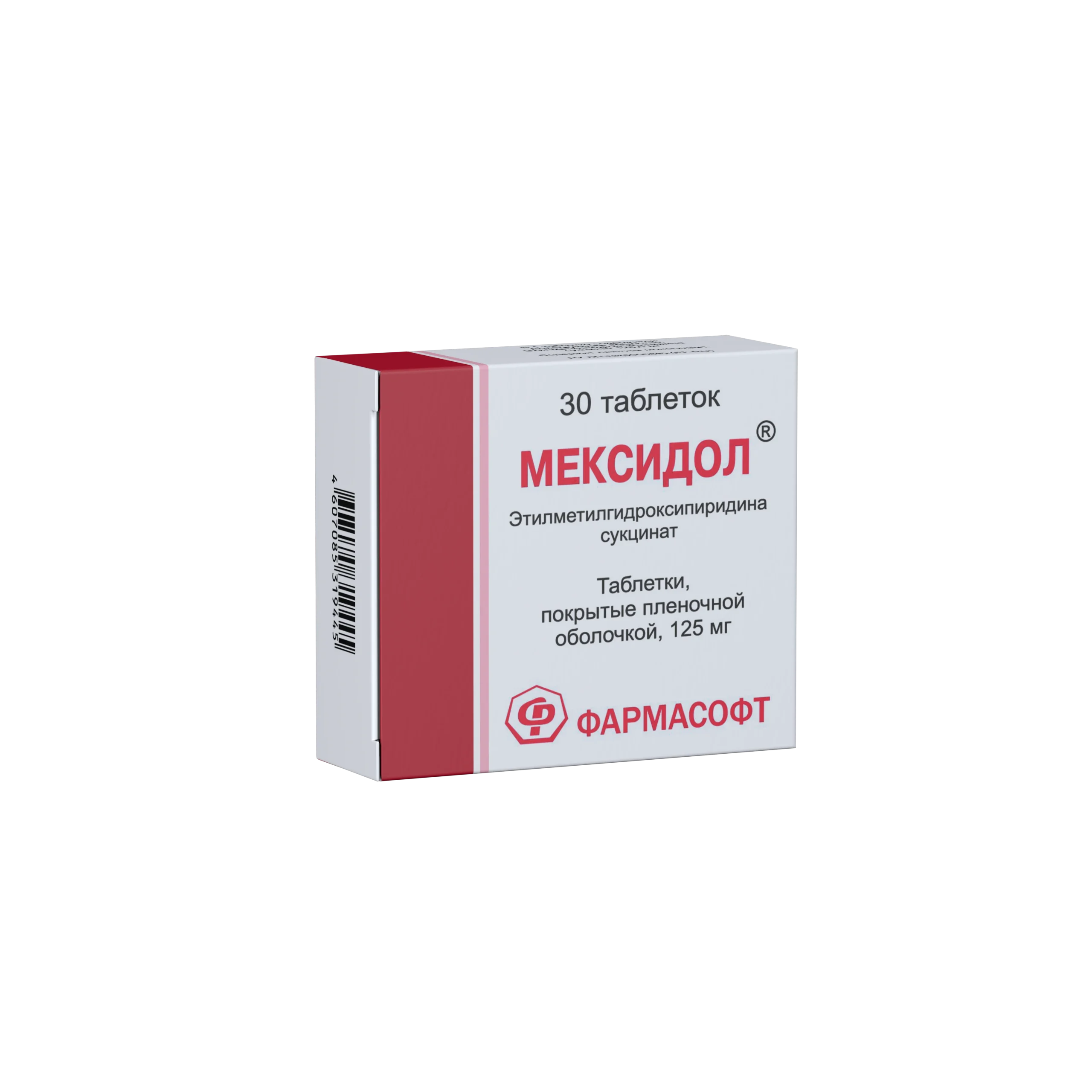

30 tablets of 125 mg
1 tablet contains 125 mg of the active ingredient
Approved for children of 6 years of age and older
1. Name of the drug
Mexidol®, 125 mg, film-coated tablets
2. Qualitative and quantitative composition
Active ingredient: ethylmethylhydroxypyridine succinate.
Each tablet contains: ethylmethylhydroxypyridine succinate – 125.0 mg.
Excipients that must be included in the composition of the medicinal product include: lactose monohydrate.
A full list of excipients is provided in section 6.1.
3. Dosage form
Film-coated tablets.
Round, biconvex, film-coated tablets, white to off-white with a yellowish tint, may have a characteristic odor.
4. Clinical data
Indications
- Consequences of acute cerebral circulation disorders, including those after transient ischemic attacks, in the subcompensation phase as prophylactic courses;
- Mild traumatic brain injury, consequences of traumatic brain injury;
- Encephalopathies of various origin (dyscirculatory, dysmetabolic, post-traumatic, mixed);
- Vegetative dystonia syndrome;
- Mild cognitive disorders of atherosclerotic origin;
- Anxiety disorders in neurotic and neurosis-like states;
- Ischemic heart disease as part of complex therapy;
- The relief of withdrawal syndrome in alcoholism with predominant neurosis-like and vegetative-vascular disorders, post-withdrawal disorders;
- Status post acute antipsychotic intoxication;
- Asthenic conditions, as well as prevention of somatic diseases induced by extreme factors and stress;
- Exposure to extreme (stressful) factors;
- Attention deficit hyperactivity disorder (ADHD) in children, including hyperactivity, disorder of attention, and impulsiveness.
4.3. Dosage regimen and method of administration
Dosage regimen:
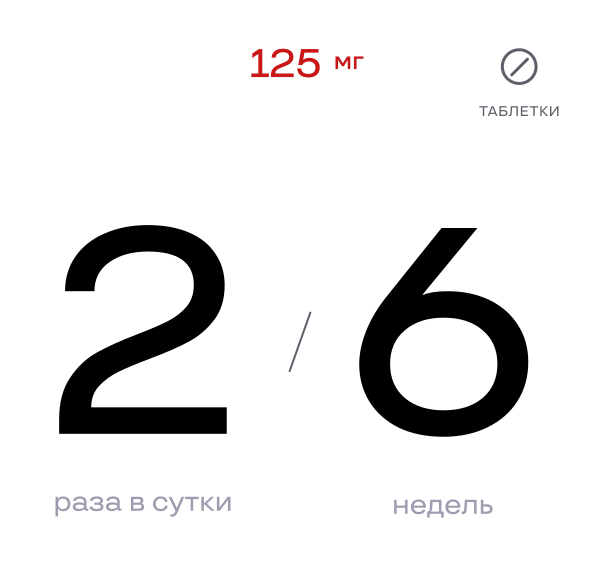
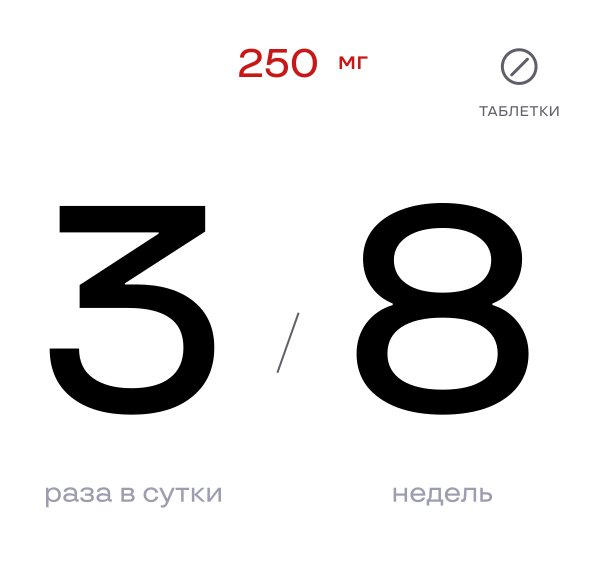
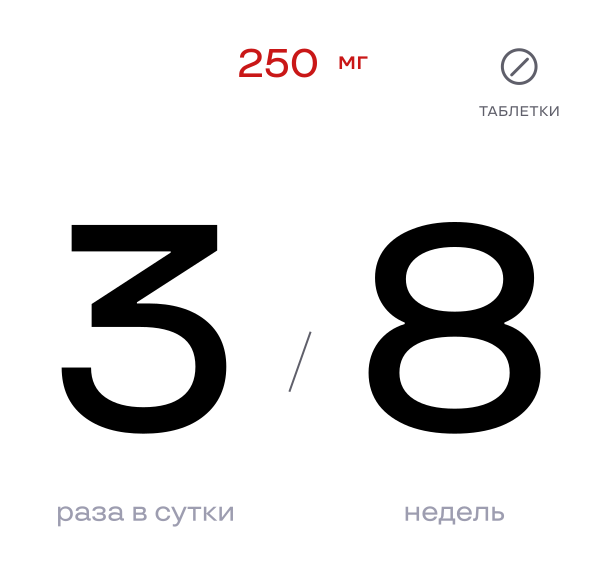
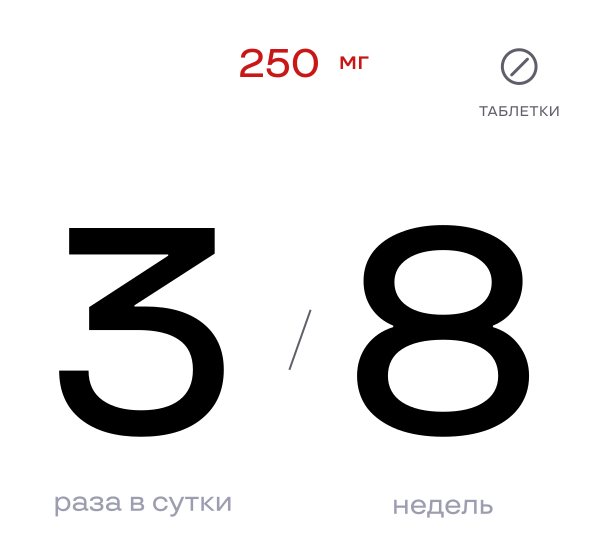
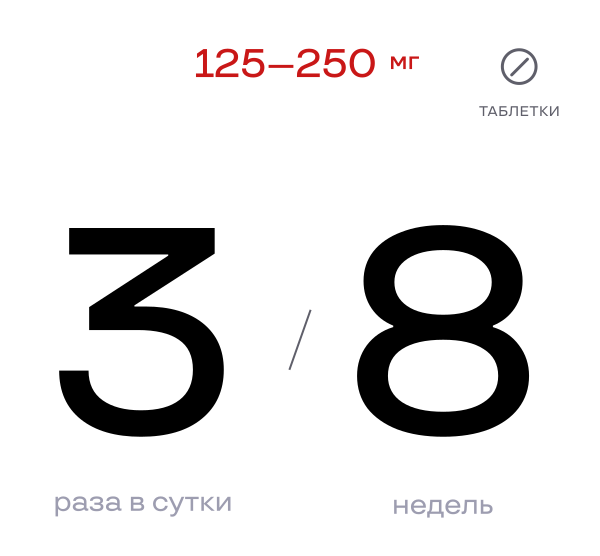
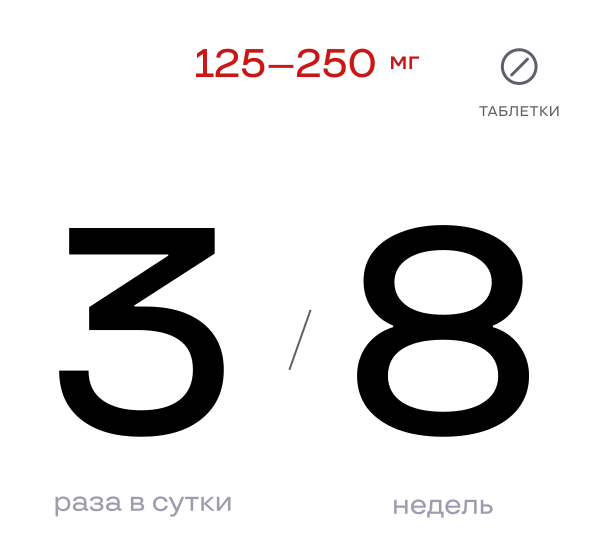
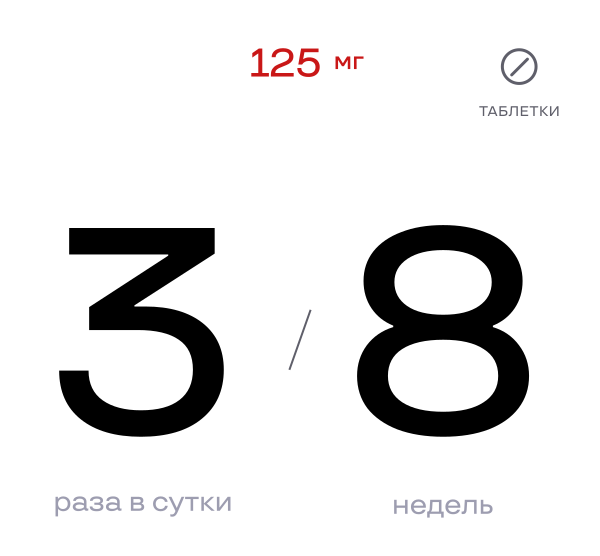
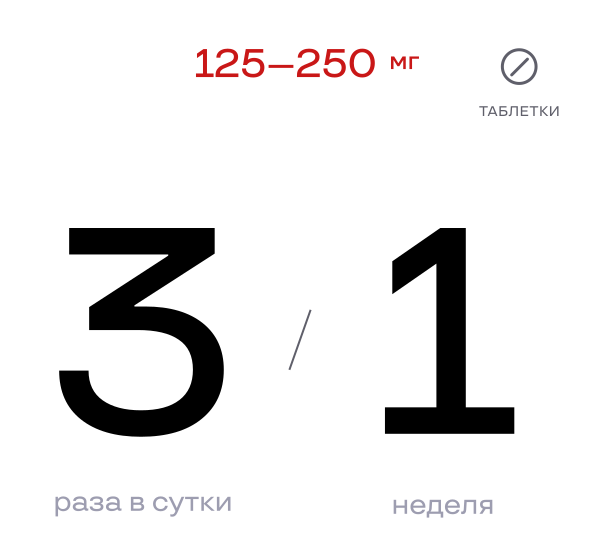
Orally 125-250 mg 3 times a day; maximum daily dose is 750 mg. Duration of treatment is 2-8 weeks; for relief of alcohol withdrawal - 5-7 days. Treatment is discontinued gradually, reducing the dose over 2-3 days.
The initial dose is 125-250 mg (1-2 tablets) 1-2 times a day with a gradual increase until a therapeutic effect is achieved.
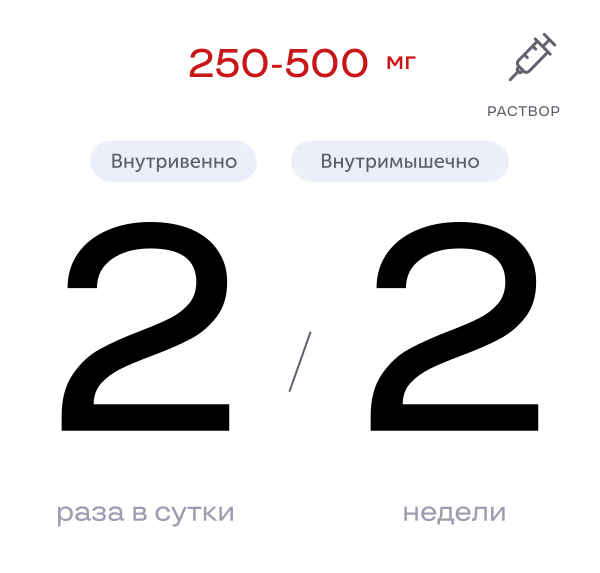
For the treatment of the consequences of acute cerebrovascular accidents, including after transient ischemic attacks, tablets are prescribed after a course of the drug in the form of a solution for intravenous and intramuscular administration.
The duration of the course of therapy in patients with ischemic heart disease is at least 1.5-2 months. Repeated courses (as recommended by a doctor) are preferably carried out in the spring and autumn.
Children
For attention deficit hyperactivity disorder (ADHD) in children, including hyperactivity, attention deficit, impulsivity: 125 mg 2 times a day for 6 weeks.
Directions for use:
Take orally with water.
4.3. Contraindications
- Individual hypersensitivity to the drug or any of its components listed in section 6.1;
- Acute liver and/or kidney dysfunction;
- Pediatric use in children of up to 6 years of age (due to insufficient data on the drug action);
- Pregnancy, breastfeeding (due to insufficient data on the drug action);
- Lactose intolerance, lactase deficiency, glucose-galactose malabsorption.
4.4. Special instructions and precautions for use:
Patients with rare hereditary galactose intolerance, lactase deficiency, or glucose-galactose malabsorption should not take this drug.
4.5. Interaction with other drugs and other types of interaction:
Mexidol® is compatible with all drugs used to treat somatic diseases. It enhances the effects of benzodiazepines, antidepressants, anxiolytics, anticonvulsants, and anti-Parkinsonian drugs. The drug reduces the toxic effects of ethyl alcohol.
4.6. Fertility, pregnancy and lactation:
Mexidol® is contraindicated during pregnancy and breastfeeding.
4.7. Effects on ability to drive and use machines
During the drug administration period, caution should be exercised when performing work requiring quick psychophysical reactions (driving vehicles, using machines, etc.).
4.8. Adverse reactions
Summary of adverse reactions
The frequency of side effects was determined in accordance with the classification of the World Health Organization (WHO): very common (≥ 10%); common (≥ 1%, but ˂ 10%); uncommon (≥ 0.1%, but ˂ 1%); rare (≥ 0.01%, but ˂ 0.1%); very rare (˂ 0.01%); frequency unknown (frequency cannot be estimated from the available data).
Immune system disorders: very rare – angioedema, urticaria.
Mental disorders: very rare – drowsiness.
Nervous system disorders: very rare – headache.
Gastrointestinal disorders: very rare – dry mouth, nausea, pain, burning and discomfort in the epigastric region, heartburn, flatulence, diarrhea.
Skin and subcutaneous tissue disorders: very rare – rash, itching, hyperemia.
Reporting suspected adverse reactions
is important after registration of a medicinal product to ensure continuous monitoring of the benefit-risk balance of the medicinal product. Healthcare professionals are encouraged to report any suspected adverse reactions to the medicinal product through the national adverse reaction reporting systems of the Eurasian Economic Union member states.
Address: 109012, Moscow, Slavyanskaya square, 4, building 1
Federal Service for Surveillance in Healthcare of the Russian Federation (Roszdravnadzor)
4.9. Overdosage
Symptoms:
Drowsiness, insomnia.
Treatment:
Due to low toxicity, overdose is unlikely. Treatment is generally not required; symptoms resolve spontaneously within 24 hours. In cases of severe symptoms, supportive and symptomatic treatment is administered.
5. Pharmacological properties
5.1. Pharmacology
Pharmacotherapeutic group: antioxidant agent.
ATX code: N07XX.
Mechanism of action:
Mexidol®'s mechanism of action is due to its antioxidant, antihypoxic, and membrane-protective effects. It inhibits lipid peroxidation, increases superoxide dismutase activity, improves the lipid-protein ratio, reduces membrane viscosity, and increases membrane fluidity. Mexidol® modulates the activity of membrane-bound enzymes (calcium-independent phosphodiesterase, adenylate cyclase, acetylcholinesterase) and receptor complexes (benzodiazepine, GABA, and acetylcholine), enhancing their ligand-binding capacity, helping to maintain the structural and functional organization of biomembranes, neurotransmitter transport, and improved synaptic transmission. It increases compensatory activation of aerobic glycolysis and reduces the degree of suppression of oxidative processes in the Krebs cycle under hypoxic conditions, increasing ATP and creatine phosphate levels, activating the energy-synthesizing functions of mitochondria, and stabilizing cell membranes.
Mexidol® increases dopamine levels in the brain.
Pharmacodynamic effects:
Mexidol® is a free-radical inhibitor and membrane protector with antihypoxic, stress-protective, nootropic, anticonvulsant, and anxiolytic effects. It increases the body's resistance to various damaging factors (shock, hypoxia and ischemia, cerebrovascular accidents, alcohol intoxication, and antipsychotic drug (neuroleptic) intoxication). Its anti-stress effect normalizes post-stress behavior, somatovegetative disorders, restores sleep-wake cycles, disrupts learning and memory processes, and reduces degenerative and morphological changes in various brain structures. It has a hypolipidemic effect, reducing total cholesterol and low-density lipoprotein levels. Mexidol® improves the functional state of ischemic myocardium. In conditions of coronary insufficiency, Mexidol® increases collateral blood flow to the ischemic myocardium, helps maintain the integrity of cardiomyocytes and support their functional activity. It effectively restores myocardial contractility in reversible cardiac dysfunction. It stabilizes the membrane structures of blood cells (erythrocytes and platelets) during hemolysis. The drug improves metabolism and blood flow to the brain, improves microcirculation and blood rheology, and reduces platelet aggregation.
Mexidol® significantly reduces the severity of attention deficit hyperactivity disorder in children aged 6-12 years: it reduces the severity of symptoms of inattention, hyperactivity/impulsivity, and promotes clinical improvement. Use of the drug in ADHD helps improve concentration and focus, improve perseverance, reduce signs of hyperactivity, and decrease impulsivity, which contributes to improved learning and social adaptation in children.
Mexidol® has a pronounced antitoxic effect in withdrawal syndrome. It eliminates the neurological and neurotoxic manifestations of acute alcohol intoxication, restores behavioral disorders and autonomic functions, and can also alleviate cognitive impairment caused by prolonged ethanol use and withdrawal. Mexidol® enhances the effects of tranquilizers, neuroleptics, antidepressants, hypnotics, and anticonvulsants, allowing for lower dosages and reduced side effects.
Clinical Efficacy and Safety
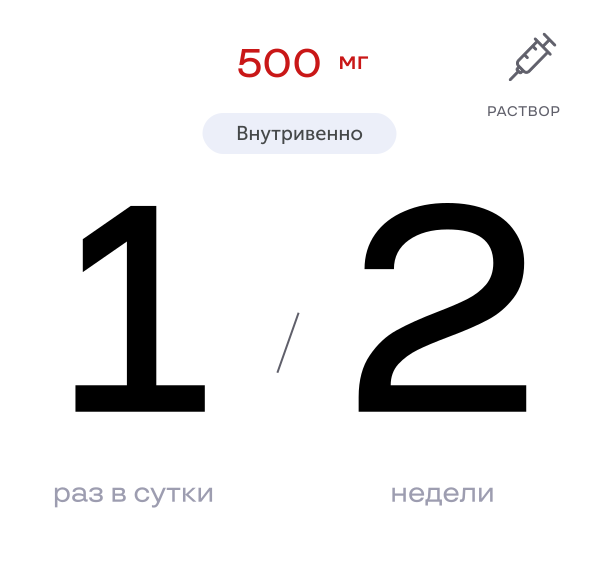
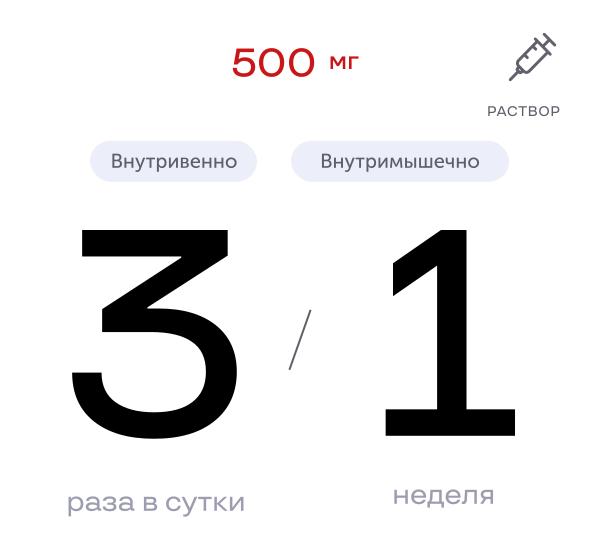
A randomized, double-blind, placebo-controlled, parallel-group study of the efficacy and safety of Mexidol® in long-term sequential therapy in patients with hemispheric ischemic stroke in the acute and early recovery periods was conducted in 150 patients aged 40 to 79 years. Patients were randomized into 2 groups: the first group received Mexidol® therapy at a dose of 500 mg per day intravenously by drip for 10 days, followed by 1 tablet (125 mg) 3 times a day for 8 weeks. A significant reduction in symptoms and functional impairment was demonstrated in the Mexidol® therapy group. With the use of Mexidol®, a significantly more pronounced improvement in vital functions was observed compared to placebo: at the end of therapy, the average score on the modified Rankin Scale (mRS) was lower in the Mexidol® group (p = 0.04); the dynamics of the average score decrease on the mRS was also more pronounced in this group (p = 0.023). The proportion of patients who achieved recovery corresponding to 0-2 points on the mRS (visit 5) was significantly higher in the Mexidol® group compared to placebo - 59 (96.7%) and 53 (84.1%), respectively (p = 0.039). At the end of therapy, neurological deficit was significantly lower in the Mexidol® group: when testing on the National Institutes of Health stroke scale at visit 5, the average value was lower in the first group (p = 0.035). The use of Mexidol® contributed to improved functional recovery: the proportion of patients without spatial mobility problems was significantly higher in the first group (p = 0.022). According to the results of a subanalysis, the effectiveness of Mexidol® across all scales used was equal in all age groups. No significant differences in the frequency of adverse reactions were found in patients in both groups.
A multicenter, double-blind, randomized, placebo-controlled clinical trial in three parallel groups to evaluate the efficacy and safety of Mexidol® film-coated tablets, 125 mg, in the treatment of attention deficit hyperactivity disorder (ADHD) in children aged 6-12 years using various dosing regimens (MEGA) was conducted in 333 patients.
Based on the results of the efficacy endpoint assessment at the end of 6 weeks of therapy, statistically significant changes were obtained in the total score for the inattention and hyperactivity/impulsivity subscales of the SNAP-IV scale, the mean change in the scores for the inattention subscale of the SNAP-IV scale, the mean change in the scores for the hyperactivity/impulsivity subscale of the SNAP-IV scale, the mean change in the scores for the Conners Index of the SNAP-IV scale, the mean change in the value of the ADHD Rating Scale IV, the assessment for the Clinical Global Impressions of ADHD severity (CGI-ADHD-S), and the assessment for the Clinical Global Impressions Scale – Improvement (CGI-I). The superior efficacy of Mexidol® over placebo was proven.
According to the study results, statistically significant changes in the total score for the inattention and hyperactivity/impulsivity subscales of the SNAP-IV scale after 6 weeks of therapy were revealed in all three study groups (p < 0.05). Moreover, between the Mexidol®+Placebo and Placebo groups, as well as between the Mexidol® and Placebo groups, there were pronounced statistically significant differences (for the PP population: p = 0.000308 and p = 0.000024, respectively; for the FAS population: p = 0.000198 and p = 0.000024, respectively). The upper limit of the 95% confidence interval for the difference in the means of the primary efficacy indicator in the Mexidol®+Placebo and Placebo groups was -1.22 in the PP population and -1.33 in the FAS population; In the Mexidol® and Placebo groups, it was -3.25 in the PP population and -3.36 in the FAS population.
For the FAS population of all patients included in the study, the upper limit of the 95% confidence interval is a negative value, which allows us to state the superior efficacy of Mexidol® over Placebo. Analysis for the PP population confirms this conclusion.
According to the assessment of the severity of ADHD using the Clinical Global Impressions-ADHD-Severity scale (CGI-ADHD-S), 66 patients in the Mexidol® group (59.46%), 34 patients in the Mexidol®+Placebo group (30.63%), and 25 patients in the Placebo group (22.52%) had a score of 3 or less at the end of therapy. When evaluating the Clinical Global Impressions Scale – Improvement (CGI-I), improvement was observed in 95 (85.59%) subjects in the Mexidol® group, 84 (75.68%) subjects in the Mexidol®+Placebo group, and 50 (45.05%) subjects in the Placebo group, while significant improvement was noted in 45 (40.54%) subjects in the Mexidol® group, 20 (18.02%) subjects in the Mexidol®+Placebo group, and 10 (9.01%) subjects in the Placebo group. Statistically significant differences were found between the groups (Pearson χ2 test, p < 0.000001).
The results of statistical analysis of the incidence of AEs, laboratory test parameters, and physical examination demonstrate the absence of significant differences between the compared groups in terms of the main safety parameters. The above indicates a comparable nature of the safety profiles of the studied dosage regimens of Mexidol® and Placebo.
5.2. Pharmacokinetics:
Absorption:
Rapidly absorbed after oral administration. The maximum concentration at doses of 400-500 mg is 3.5-4.0 mcg/ml. Rapidly distributed throughout organs and tissues.
Distribution
The average retention time of the drug in the body when taken orally is 4.9-5.2 hours.
Biotransformation:
Metabolized in the liver by glucuronide conjugation. Five metabolites have been identified: 3-hydroxypyridine phosphate – formed in the liver and, with the participation of alkaline phosphatase, decomposed into phosphoric acid and 3-hydroxypyridine; the 2nd metabolite is pharmacologically active, formed in large quantities and detected in urine 1-2 days after administration; the 3rd is excreted in large quantities in the urine; the 4th and 5th are glucuronide conjugates.
Elimination:
The half-life (T1/2) after oral administration is 2.0-2.6 hours. It is rapidly excreted in the urine, primarily as metabolites and to a small extent unchanged. Elimination is most extensive within the first 4 hours after administration. Rates of urinary excretion of unchanged drug and metabolites vary among individuals.
5.3. Preclinical safety data
No specific harm to humans has been identified in preclinical data obtained from standardized studies of pharmacological safety, repeated dose toxicity, genotoxicity, carcinogenic potential, reproductive and ontogenetic toxicity.
6. Pharmaceutical properties
6.1. List of excipients
Excipients:
Lactose monohydrate;
Povidone K-30;
Magnesium stearate;
Film coating:
Hypromellose;
Titanium dioxide;
Lactose monohydrate;
Macrogol;
Triacetin.
6.2. Incompatibility:
Not applicable.
6.3. Validity period (shelf life)
3 years.
Do not use after the expiration date printed on the package.
6.4. Special storage precautions:
Store in a dark place at a temperature not exceeding 25°C.
Keep out of reach of children.
6.5. Description and content of the primary packaging
10 film-coated tablets per blister pack made of PVC film and aluminum foil.
1, 2, 3, 4, or 5 blister packs along with instructions for use are packaged in a cardboard box.
6.6. Special precautions for disposal of the used drug or waste obtained after the drug administration or handling
There are no special disposal requirements.
7. Marketing authorization holder
Russia
LLC "NPK "PHARMASOFT"
115407, Moscow, Sudostroitelnaya St., Building 41, Floor 1, Office 12
Tel./Fax: +7 (495) 626-47-55
E-mail: pharmasoft@pharmasoft.ru
7.1. Representative of the Marketing Authorization Holder
Consumer complaints should be sent to the following address:
In the Russian Federation:
NPK PHARMASOFT LLC
115407, Moscow, Sudostroitelnaya St., 41, floor 1, office 12
Tel./Fax: +7 (495) 626-47-55
E-mail: pharmasoft@pharmasoft.ru
8. Marketing authorization number
ЛП-No.(000086)-(РГ-RU)
9. Date of the first marketing authorization (authorization confirmation, re-authorization)
Date of the first registration: 10/30/2020
10. Text revision date
General characteristics of the medicinal product Mexidol® are available on the information portal of the Eurasian Economic Union on the Internet information and communication network http://www.eurasiancommission.org/.
Active ingredient: ethylmethylhydroxypyridine succinate
Before taking the drug, carefully read the package insert, as it contains important information for you.
- Keep the package insert. You may need to read it again.
- If you have any additional questions, consult your physician, pharmacist, or nurse.
- This drug has been prescribed specifically for you. Do not share it with others. It may harm them, even if their symptoms are similar to yours.
- If you experience any adverse reactions, consult your physician, pharmacist, or nurse. This recommendation applies to all possible adverse reactions, including those not listed in section 4 of the package insert.
The contents of the package insert
- Composition and intended use of Mexidol®.
- What you need to know before taking Mexidol®.
- Mode of administration of Mexidol®.
- Possible adverse reactions.
- Storage conditions of Mexidol®.
- Package contents and other information.
1. Composition and intended use of Mexidol®
Mexidol® contains the active ingredient ethylmethylhydroxypyridine succinate that belongs to the class of antioxidants. Antioxidants inhibit oxidative processes that occur in various disorders of the nervous and cardiovascular systems, as well as in cases of alcohol and drug intoxication.
Indications for use
The drug Mexidol® is used:
- consequences of acute cerebral circulation disorders, including those after transient cerebral blood flow disturbances (transient ischemic attacks), in the initial stage of the disease (subcompensation phase) as prophylactic courses;
- mild traumatic brain injury, consequences of traumatic brain injury;
- brain function disorders (encephalopathy) of various origin (caused by circulatory disorders (dyscirculatory encephalopathy), metabolic disorders (dysmetabolic encephalopathy), post-traumatic, or mixed encephalopathy);
- conditions caused by dysfunction of the nerves controlling the functions of internal organs (dysautonomia syndrome);
- mild cognitive impairments caused by vascular atherosclerosis (mild cognitive disorders of atherosclerotic origin);
- anxiety disorders in neurotic and neurosis-like states;
- heart diseases caused by insufficient blood supply (ischemic heart disease) as part of complex therapy;
- a complex of symptoms arising after sudden cessation of alcohol consumption (withdrawal syndrome), in alcoholism with predominant neurosis-like and vegetative-vascular disorders, as well as delayed painful manifestations of sudden cessation of alcohol consumption (post-withdrawal disorders);
- status post acute poisoning (intoxication) with drugs used to treat mental disorders (antipsychotics);
- weakened conditions with increased fatigue (asthenic conditions), as well as for the prevention of diseases of internal organs (somatic diseases) under the influence of extreme factors and stress;
- exposure to extreme (stressful) factors;
- attention deficit hyperactivity disorder in children, including hyperactivity, disorder of attention, and impulsiveness.
species
(free radicals) generated in these conditions, thereby reducing damage that could otherwise cause cell death. In children with attention deficit hyperactivity disorder (ADHD), Mexidol® helps improve concentration and focus, improve perseverance, reduce hyperactivity, and decrease impulsivity, which contributes to improved learning and social adaptation.
If there is no improvement or your condition worsens, consult a doctor.
2. What you need to know before taking Mexidol®
Contraindications
Do not use Mexidol®:
- you are allergic to ethylmethylhydroxypyridine succinate or any other components of the drug ( which are listed in section 6 of the package insert);
- you have acute liver dysfunction;
- you have acute kidney dysfunction;
- the drug is contraindicated in children under 6 years of age;
- you are pregnant or breastfeeding;
- you have an intolerance to certain sugars (the drug contains lactose).
Special instructions and precautions:
Before using Mexidol®, consult your doctor. Be sure to inform your doctor if you have an intolerance to certain sugars, as this medication contains lactose.
Children and adolescents
Use of the drug in children under 6 years of age is not recommended due to the lack of data on efficacy and safety.
Other medications and Mexidol®:
Tell your doctor if you are taking, have recently taken, or might start taking any other medications. Mexidol® is compatible with all medications used to treat internal organ diseases (somatic illnesses).
It is important to tell your doctor if you are taking sedatives and sleep medications, such as diazepam or midazolam (benzodiazepines), antidepressants, medications for anxiety disorders, such as phenibut (anxiolytics), medications for epilepsy and seizures, such as valproate, lamotrigine (anticonvulsants), and antiparkinsonian medications, as Mexidol® may enhance their effects.
Mexidol® reduces the toxic effects of ethyl alcohol.
Pregnancy, Breastfeeding, and Fertility:
If you are pregnant or breastfeeding, think you may be pregnant, or are planning a pregnancy, consult your doctor before using this medication. Mexidol® is contraindicated during pregnancy and breastfeeding.
Driving and operating machinery:
While using this medication, exercise caution when performing tasks requiring rapid psychophysical reactions (such as driving vehicles or operating machinery). Mexidol® contains lactose.
If you have an intolerance to certain sugars, consult your doctor before taking this medication.
3. Mode of administration of Mexidol®
Always take Mexidol® exactly as prescribed by your physician. If in doubt, consult your physician.
Recommended Dose
: The initial dose is 1-2 tablets (125-250 mg) 1-2 times daily, gradually increasing until a therapeutic effect is achieved. The recommended oral dose for adults is 1-2 tablets (125-250 mg) 3 times daily; the maximum daily dose is 6 tablets (750 mg).
For the treatment of acute cerebrovascular accidents, including those following transient ischemic attacks, tablets are prescribed after a course of treatment with a solution for intravenous and intramuscular administration.
For children
with attention deficit hyperactivity disorder (ADHD), including hyperactivity, attention deficit disorder, and impulsivity: 1 tablet (125 mg) twice daily. Your doctor may adjust your Mexidol® dosage if necessary.
Route or method of administration
: For oral administration, take the tablet without breaking it and drink it with water.
How long should the medication be used?
The duration of treatment is 2-8 weeks.
Treatment in children with attention deficit hyperactivity disorder (ADHD) is 6 weeks.
Treatment in patients with coronary heart disease is at least 6-8 weeks.
Repeat courses (as recommended by a doctor) are recommended in the spring and fall.
Treatment for alcohol withdrawal lasts 5-7 days.
Treatment is discontinued gradually, tapering the dose over 2-3 days.
Continue using the medication for as long as your doctor recommends. If you have any questions about the duration of treatment, consult your doctor.
If you take more Mexidol® than you should or use it by mistake
, you may experience drowsiness or insomnia. Treatment is usually not necessary, as symptoms resolve on their own within 24 hours. If symptoms persist, consult a doctor for appropriate treatment.
If you forget to take the medication:
Do not take a double dose of Mexidol® to make up for the missed dose.
Take your next dose at the usual time.
If you have any questions about how to take the medication, consult your doctor or nurse.
4. Possible adverse reactions
Like all medications, Mexidol® can cause side effects, but not everybody experiences them.
Consult your doctor immediately if you experience any of the following side effects, which become serious. Consult your doctor immediately if you experience any side effects not listed in this leaflet.
The following adverse reactions may occur:
Very rare (occurs in less than 1 person in 10,000):
- a serious allergic reaction that may include difficulty breathing, swelling of the face,
neck, lips, tongue, or throat (angioedema); - allergic itching rash (urticaria);
- drowsiness;
- headache;
- dry mouth;
- nausea;
- pain, burning and discomfort in the stomach (epigastric region);
- heartburn;
- excessive gas in the intestines (flatulence);
- diarrhea;
- rash;
- itching;
- redness of the skin (hyperemia).
Reporting Adverse Reactions:
If you experience any adverse reactions, consult your doctor. This recommendation applies to all possible adverse reactions, including those not listed in the package leaflet. You can also report adverse reactions directly through the Eurasian Economic Union member state reporting system. By reporting adverse reactions, you help provide more information about the safety of this medicine.
Russian Federation:
Federal Service for Surveillance in Healthcare (Roszdravnadzor)
Address: 109012, Moscow, Slavyanskaya Square, 4, building 1
Phone: +7 (800) 550-99-03
E-mail: pharm@roszdravnadzor.gov.ru
Website: http://roszdravnadzor.gov.ru
5. Storage conditions of Mexidol®
Keep this medication out of reach of children.
Do not use this medication after the expiration date (storage date) printed on the packaging.
The expiration date is the last day of the month.
Store this medication in a dark place at a temperature not exceeding 25°C.
Do not dispose of this medication via wastewater. Ask your pharmacist how to dispose of medications you no longer need. These measures will help protect the environment.
6. Package contents and other information
Mexidol® contains
the active ingredient ethylmethylhydroxypyridine succinate. Each tablet contains 125.0 mg of ethylmethylhydroxypyridine succinate.
Other ingredients (excipients) include lactose monohydrate, povidone K-30, magnesium stearate, and film coating: hypromellose, titanium dioxide, lactose monohydrate, macrogol, and triacetin.
Mexidol® Appearance and Package Contents:
Film-coated tablets.
Round, biconvex, film-coated tablets, white to off-white with a yellowish tint, may have a characteristic odor.
10 film-coated tablets per blister pack made of PVC film and aluminum foil.
1, 2, 3, 4, or 5 blister packs along with instructions for use are packaged in a cardboard box.
Not all package sizes are available for sale.
Marketing authorization holder
Russia
LLC "NPK "PHARMASOFT"
115407, Moscow, Sudostroitelnaya St., Building 41, Floor 1, Office 12
Tel./Fax: +7 (495) 626-47-55
E-mail: pharmasoft@pharmasoft.ru
Manufacturer
Russia
ZiO-Zdorovye CJSC
142103, Moscow Region, Podolsk, Zheleznodorozhnaya St., 2
Russia
Rafarma JSC
399540, Lipetsk Region, Terbunsky Municipal District, Terbunsky Village Council Rural Settlement, Terbuny Village, Dorozhnaya St., 6A
For any information about the drug, please contact the local representative of the marketing authorization holder:
Russian Federation,
NPK PHARMASOFT LLC,
115407, Moscow, Sudostroitelnaya St., 41, floor 1, office 12
Tel./Fax: +7 (495) 626-47-55
E-mail: pharmasoft@pharmasoft.ru
The package insert has been revised.
Additional information sources
Detailed information about the drug is available on the website of the Eurasian Economic Union
https://eec.eaeunion.org/