Glaucoma

Determination of glaucoma

Glaucoma is a multifactorial neurodegenerative disease of the eyes, characterized by the development and progression of glaucomone atrophy of the optic nerve with the loss of optic functions, regardless of the level of intraocular pressure (IOA) [1, 2]. An increased level of intraocular pressure can be considered as an important, but not the only pathogenetic link in the development of glaucoma.

Taking Mexidol® for glaucoma can reduce the likelihood
of developing the disease and the severity of its consequences.

Types of glaucoma

There are three most frequent signs of glaucoma (Gref Triad) [3]:

  • constant or periodic increase in IOGD;
  • changes in the optic nerve;
  • Changing the fields of vision.

In origin, the primary and secondary glaucoma is distinguished.

  • Primary glaucoma is an independent eye disease. Its share is more than 80 % of all cases of glaucoma.
  • Secondary glaucoma is formed as a result of other diseases of the eye, may be the result of its injury, inflammatory diseases of the organ of vision (uveitis, keratitis), cataracts, thrombosis of the central vein of the retina, etc. Secondary glaucoma more often than primary, has unilateral localization. The clinical current is determined by the open or closed angle of the front chamber of the eye.

According to the mechanism for increasing the intraocular pressure of the glaucoma, it is divided into open -angle and closing. Primary open -angle glaucoma is a chronic progressive opticalopathy, which is characterized by the following signs [4]:

  • periodic or constant increase in the level of intraocular pressure above the individual norm;
  • structural pathological changes in the optic disk and a layer of nerve fibers of the retina; 
  • typical defects in visual fields corresponding to damage to the optic nerve disk and a layer of nerve fibers of the retina; 
  • Open angle of the front chamber (confirmed by gonioscopy) [6, 7]. 

Primary closed -angled glaucoma is a disease, in which the cause of the intraocular pressure increased the outflow of intraocular fluid due to the blockade of the angle of the front chamber with the root of the iris, accompanied by the following signs [5]: 

  • periodic or constant increase in the level of intraocular pressure;
  • optic atrophy (with excavation); 
  • Changes in the field of vision;
  • Closed angle of the front chamber.

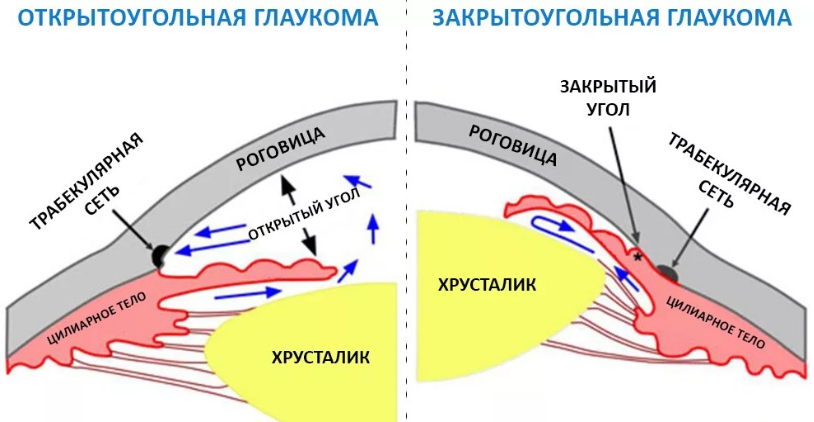
Thus, the main difference between the open -angle glaucoma and the closure is that with an open -angle glaucoma, taking into account the open corner of the front chamber of the eye, free access of the intraocular fluid is possible, but its irregular outflow occurs, and with a closed glaucoma, the angle of the front chamber is closed, and the liquid cannot be freely circulated, which leads to an increase in intraocular pressure (Fig. 1).

Epidemiology

In the Russian Federation, about 1,250,000 patients with glaucoma aged 18 years and older, which is 1077.8 people. For 100 thousand adult population, that is, every 93 adult in the Russian Federation has glaucoma. The proportion of the first -a -examination and medical examination of diseases of the glaucoma in the adult population is more than 9 % [8]. The number of people suffering from glaucoma increases with age and is about 14 %in a group over 80 years old. In all regions of the Russian Federation, Glaucoma takes 1st place among the causes of disability due to ophthalmopathology [9]. Population studies in the world confirm the predominance of primary open -angle glaucoma with a share of 72.3–96.1 % of all forms of glaucoma and increasing its frequency with age [10]. Primary open -angle glaucoma is found more often in women (56.6 %), somewhat less often in men - 43.4 %, which correlates with the life expectancy [11]. The prevalence of primary disability due to glaucoma increased from 0.04 to 0.35 to 1000 adults, and the indicators themselves significantly vary in various territories of the Russian Federation. In most of the disabled persons by vision due to glaucoma, it was precisely the sample (80.9 %). In the contingent of disabled people, men account for 58.2 %, women - 41.8 %.

Figure 1. The mechanism of increased intraocular pressure in open-angle
and angle-closure glaucoma

During the initial examination by disabled group I, 35.4 %were recognized, II groups of 45.8 %, group III - 18.8 %of patients with glaucoma [12]. According to some epidemiological studies, in the Russian Federation, in 40–80 % of cases, glaucoma is diagnosed in advanced stages, and in 50 % of cases, patients do not know about their disease and do not receive appropriate treatment [13].

The age of patients with first diagnosed glaucoma is mainly in the range from 35 to 90 years. The incidence rate increases in older age groups: from 40 to 49 years - 0.55–0.88 (per 1000 population), from 50 to 59 years - 1.5–2.5; from 60 to 69 years - 6.44–7.45; from 70 to 79 years - about 15.7 people; From 80 to 89 years - about 17.5 people. Thus, the number of patients with primary open -angle glaucoma with age grows exponentially, increasing in the older age group by almost 20 times [6, 7].

Etiology and pathogenesis

Currently, the primary open -angle glaucoma is considered as a complex complex of neurogramoral, hemodynamic and metabolic factors, the relationship of which is transformed over time and determines the possibility of progression of glaucomatic optical neuropathy [14, 15].

Despite numerous studies of pathogenetic mechanisms of primary open -angle glaucoma, a clear idea of the causes and progression of this disease is not formed [16]. In the explanation of its occurrence and development, the multifactorial concept prevails with the involvement of various genetic and non -generation factors [17]. As risk factors for the development and progression of primary open -angle glaucoma, they consider [4]:

  • Age: develops in patients over 40 years of age and prevalence increases with age; 
  • race/ethnicity: prevalence is several times higher in African Americans than in people of the Caucasian race; 
  • Family history: the prevalence of glaucoma among blood relatives of patients with primary open -angle glaucoma is 4–9 times higher than in the general population;
  • An increased level of intraocular pressure: directly correlates with an increase in prevalence and incidence. The risk of developing glaucoma increases by 10 % by every 1 mm Hg. Art. increasing the level of VGD above the average norm;
  • Pseudoxfoliative syndrome (chronic disease of the anterior segment of the eye from among the usepathies): the presence of pseudo -exfoliation increases the risk of glaucoma by 9–11 times. For 10 years, the glaucoma has been developing in every third patient with pseudo -exfoliative syndrome;
  • Pigment dispersion syndrome: the risk of pigmented glaucoma in patients with pigmented dispersion syndrome amounted to about 10 % in 5 years and 15 % in 15 years; 
  • The thickness of the cornea in the central optical zone (CTR): an increase in the risk of the development of primary open -angle glaucoma by 30–41 % for every 40 μm of the TSR is lower than the average norm;
  • Myopia: myopia of medium and high degree (6 diopters) increases the frequency of glaucoma;
  • Perfusion eye pressure: the relationship of low perfusion eye pressure was found with an increase in the frequency of primary open -angle glaucoma. Since perfusion pressure represents the difference between the diastolic level of blood pressure and the value of intraocular pressure, the treatment of arterial hypertension in patients with glaucoma can lead to the development of systemic hypotension, and, as a result, the deterioration of blood supply to the optic disk;
  • Hemorrhage on the optic disk. In the international glaucoma study of normal pressure (Collaboative Normal Tension Glaucoma Study, CNTGS), the presence of hemorrhages in the optic disk zone reliably correlated with the progression of glaucoma;
  • Other factors: cardiovascular pathology, including systemic arterial hypotension, systemic atherosclerosis; Vasospastic syndrome, migraine, apnea in a dream, syncopal states of unclear genesis, diabetes, etc.

The pathogenetic basis of the primary open -angle glaucoma is optical neuropathy, due to the action of various factors leading to the apoptosis of the ganglion cells of the retina [18].

Glamoil optical neuropathy

- This is the acquired pathology of the optic nerve, characterized by the progressive loss of ganglion cells of the retina and their axons and leading to structural and functional damage to the optic nerve, impaired optic functions and blindness [4]. 

Currently, there are three main theories of the pathogenesis of glaucomatous optic
neuropathy: mechanical, vascular and metabolic [19]. 

According to the mechanical theory, the trigger is an increase in intraocular pressure, which leads to deflection of the lamina cribrosa
and damage to the axons of the retinal ganglion cells. The vascular theory explains the development of glaucomatous optic neuropathy by reduced blood flow in the optic nerve head. The main cause of the disruption of its blood supply is a disorder of vascular regulation, which causes a decrease in retinal perfusion and a disruption of local autoregulation, leading to increased sensitivity of the optic nerve to fluctuations in intraocular pressure. Mechanical and vascular factors, when combined, activate a number of metabolic processes. Nerve tissue ischemia promotes the formation of excess free radicals and the activation of lipid peroxidation processes. A cascade of pathological biochemical processes is triggered, which, in turn, have a cytotoxic effect on the retina and optic nerve [19]. According to current data from domestic
and international authors, there is a hypothesis that one of the main initiating mechanisms that triggers the chain of events leading to glaucomatous damage is a disruption of the universal mechanism regulating vascular tone due to endothelial dysfunction [20]. The main manifestation of endothelial dysfunction is an imbalance of vasoconstrictor
and vasodilator endothelial mediators.

The leading endothelial vasodilator is nitric oxide (NO),
and the leading constrictor is endothelin (ET-1). The inconsistency of the action of these mediators triggers mechanisms of adaptive distress, which leads
to the progression of morphological destruction, dyslipidemia, and the development of hemodynamic and hydrodynamic disorders [21]. Nitric oxide, being a potent vasodilator, has a cytotoxic effect in high concentrations, as it stimulates the formation of free radicals
in the peripheral blood. Reduced NO production causes vasospasm
in isolated ciliary arteries, which are the main source of blood supply to the optic nerve head, and leads to the progression of the glaucoma process [22]. A significant trigger for dysregulation, which also contributes to the occurrence of endothelial dysfunction, is the development of oxidative stress in the body [23]. Oxidative stress, which is a component of neurodegeneration of subcellular structures of retinal ganglion cells, can both exhibit a direct cytotoxic effect
and act through signaling mechanisms, causing the death of retinal
cells [24]. 

Classification of primary
open-angle glaucoma [4]

The following pathogenetic forms are distinguished: primary simple glaucoma; glaucoma of low pressure; pigmented glaucoma; Pseudoxfoliative glaucoma.

VGD level


Normal (a)


Moderately increased (b)


High (c)

Tonetric ICD, pt (mm Hg)


≤ 25


26-32


≥ 33

True IOP, P0
(mmHg)


≤ 21


22-28


≥ 29

Table 1. Classification scheme of the state of intraocular pressure in glaucoma 

The course of glaucoma
Clinical characteristics
Stabilized

Absence of negative dynamics in the condition of the optic nerve head and visual field
during long-term observation of the patient (at least 6 months)

Unlocked

With repeated studies, the negative dynamics of structural (optic disk, nerve fibers of the retina) and functional indicators (a change in the field of view) are recorded

Table 2. Classification scheme of glaucoma by the nature of the course of the disease

When assessing the dynamics of the glaucomatous process, intraocular pressure and its compliance with "target" values ​​are also taken into account.
The following stages are distinguished according to the severity of the pathological process (Table 3):


Stages


I, initial


II, developed


III, far away


IV, terminal

Signs

Field of view


The borders of the PZ are normal, minor changes (scotomas) in the paracentral areas of the PZ (small paracentral scotomas, relative scotoma in the Bjerrum zone)


Narrowing of the borders of the PZ on the nasal side by more than 10° or fusion of small paracentral scotomas into an arcuate scotoma


The nasal (or concentric) border of the retinal zone is located less than 15° from the fixation point. This stage also includes cases with only a peripheral portion of the retinal zone preserved, with no central vision.


Loss of objective vision

Signs

The optic disk


Asymmetry of the excavation in both eyes, vertical-oval shape of the excavation, the excavation is widened, but does not reach the edge of the optic disc


The excavation of the optic disc is expanded, marginal excavation of the optic disc appears


Marginal subtotal excavation of the optic disc


The marginal excavation is total

Table 3. Classification scheme of the stages of glaucoma

Clinical picture

Glaucoma, as a rule, proceeds asymptomatic, and in most cases is found at a developed and/or far -reaching stages (for example, during preventive examinations, when selecting glasses, examination of the fundus, etc.). Separate atypical complaints of patients with glaucoma, which should be paid attention to, can be: periodic clouding of vision, a vision of rainbow circles around light sources, pain in the eyes, headaches, flickering of “flies”, fatigue, as well as a frequent change in presbyopic glasses, apparent moistening of the eyes, lacrimation, etc. [25]. Tentatively, the duration of the preclinical and initial stages is from 1 to 5 years. In some cases, the disease goes through all stages up to complete blindness within 3-5 years [6]. Glaucoma is characterized by a periodic or constant increase in the level of intraocular pressure above the individual norm. The asymmetry of the ophthalmotonus between paired eyes> 2-3 mm RT is detected. Art., and the range of oscillations of the level of IOD during the day may exceed 5 mm RT. Art. [26]. The primary open -angle glaucoma is characterized by structural pathological changes in the optic disk and a layer of nerve fibers of the retina. Excavation develops and deepens on the fundus, which in the final of the disease becomes total and deep. There is a local or diffuse thinning of a layer of nerve fibers of the retina and progressive atrophy of the mesh layer [27]. Primary open -angle glaucoma is characterized by both diffuse and focal changes in the fields of vision. The initial stage of the disease is characterized by the expansion of a blind spot, focal lesions (scotomas) in the paracental department. The progression of visual defects is characterized by the presence of a new defect in a previously normal area, the deepening of a previously existing defect, the expansion of the previously existing cattle, the presence of a general decrease in sensitivity.

At the end of the disease, a residual "island" of light perception is detected on the temporal side or complete blindness [6]. 
The clinical picture of primary angle-closure glaucoma depends on the mechanism of angle closure and the course of the disease [6]. 
Sometimes, intraocular pressure experiences a sharp increase against the background of a closed angle of the anterior chamber of the eye. In this case, we are talking about an acute attack of glaucoma—an urgent condition that can lead to irreversible and complete loss of vision. Since an acute attack of glaucoma can have serious consequences
for vision, it is crucial to promptly recognize the problem and take measures to alleviate it. Factors that provoke the development of an acute attack of glaucoma include drug-induced mydriasis, emotional stress, being
in a darkened room, working with a tilted head, accommodation strain, and hypothermia. The patient complains of headache, nausea,
eye pain, decreased vision, and rainbow rings. During an objective examination of an acute attack of glaucoma, high intraocular pressure, conjunctival hyperemia, corneal edema, iris edema, a shallow anterior chamber, aqueous humor that loses its transparency (due to protein effusion), a dilated pupil, and no pupillary reaction to light are detected. Due to the rapid increase in ophthalmotonus and significant compression of the iris root, circulatory disturbances in the radial vessels with signs of necrosis and aseptic inflammation occur. Edema of the cornea and optic disc is noted. After the attack, focal atrophy of the iris, deformation, and displacement of the pupil remain. The most important sign of an acute attack of glaucoma, which can be determined by gonioscopy, is a closed angle of the anterior chamber of the eye. If it is open, then this is not an acute attack of glaucoma [5]. 

Prevention

There is no specific prevention of glaucoma. It is recommended to measure intraocular pressure during the first preventive medical examination, and then once a year at the age of 40 years and older for the early detection of glaucoma [28]. An examination (consultation) by an ophthalmologist is recommended for citizens aged 40 years and older with elevated intraocular pressure, and citizens aged 65 years and older with decreased visual acuity that does not respond to spectacle correction, for the early detection of primary open-angle glaucoma [1, 24]. 
In the stabilized course of glaucoma, it is necessary to perform visometry, ophthalmotonometry, ophthalmoscopy, perimetry at least once every 6 months, and gonioscopy at least once a year. Patients with an unstable course of the disease require individual observation periods, depending on the characteristics of the glaucoma process, the presence of concomitant pathology, and the drugs used [6, 28]. If technically feasible, optical coherence tomography should be performed every 6-12 months.
At each ophthalmologist visit, the patient's subjective well-being, visual function (difficulty driving, dark adaptation, problems with contrast sensitivity, reading small print, and judging distances), quality of life, and adherence to prescribed treatment are assessed. Ophthalmotonometry is performed using the same method at each patient examination (taking into account the time of day) to assess the presence or absence of a target pressure level.

In the absence of target pressure or fluctuation of the readings, ophthalmotonometry may be required at different times of the day. Gonioscopy is performed on patients with primary open-angle glaucoma at least once a year, more often if there is a risk of closure of the anterior chamber angle. During perimetry, changes in the visual field must be confirmed by at least one repeat test [4].
For patients with glaucoma, when consulting a doctor about any disease, it is necessary to inform the specialist about the observation by an ophthalmologist due to glaucoma, since there are a number of medications contraindicated in this disease. These include some antidepressants, antiparkinsonian drugs, vasoconstrictor eye drops, anticonvulsants, some analgesics, etc. For any form of glaucoma, the use of table salt, pickled and fatty foods is contraindicated. Regular alcohol consumption is prohibited. All types of activities involving bending the head down, for example, working in the garden, are prohibited. Certain types of fitness and sports are also not recommended. Exercises involving heavy lifting and jumping are contraindicated. Prolonged exposure to darkness negatively impacts the hydrodynamics of the eye, so reading, watching television, working, and performing daily household chores should be done in sufficiently bright light. Prolonged exposure to darkness or twilight is also contraindicated. In summer, sunglasses with high-quality UV filters are recommended when going outdoors. Glaucoma patients should avoid prolonged exposure to cold, especially windy conditions, as well as direct sunlight.

The effectiveness of the use of the drug Mexidol in the treatment of patients with primary open -angle glaucoma

All patients with primary open-angle glaucoma are recommended to reduce
intraocular pressure to prevent the progression of
glaucomatous optic neuropathy [6, 29].

The level of intraocular pressure can be reduced using local drug therapy, laser treatment or surgical methods (possible combination of methods). Surgical treatment is used when it is impossible to reduce intraocular pressure with the help of drug methods, and changes in the optic nerve disk and the state of ganglion cells of the retina are progressed [30]. Prolonged use of drugs leads to a decrease in the antihypertensive effect, which requires timely correction of the therapy when identifying signs of the subcompensation of ophthalmotonus [31]. Prior to the appointment of treatment, the alleged level of “target” pressure should be determined taking into account the initial values of ophthalmotonus, the stage of the disease, the potential rate of its progression, age and expected life expectancy, as well as additional risk factors. All patients with primary open -angle glaucoma need to strive for the maximum decrease in the level of intraocular pressure based on the stage of the disease.

An individual approach to the treatment of glaucoma is to adapt to the needs of a particular patient. Patients with a pronounced decrease in visual functions or young patients with the manifestation of the disease should receive more aggressive treatment and are more closely observed than patients with a low risk of deterioration of visual functions [32]. Of the drug therapy, preference is given to local drugs, as a rule, in the form of eye drops. Local therapy should be aimed at reducing intraocular pressure. As preparations of the first choice, analogues of prostaglandins and prostamids, which have maximum hypotensive activity, are used. Preparations of other pharmacological groups (local carboanhydrase inhibitors, alpha-2-adrenosimetics, selective beta-blockers) are used less often as their lower hypotensive efficiency [4].

The mechanism of retinal ganglion cell death involves multiple
factors and biochemical reactions (see the section "Etiology and Pathogenesis"). Reducing
intraocular pressure does not always halt
the progression of glaucomatous disease. Therefore, the use
of medications that protect and prevent damage to the
retinal nerve fiber layer is necessary [30].  

Such drugs include drugs with antihyplance and antioxidant action mechanism - neuroprotectors [6]. Neuroprotection in glaucoma involves the correction of general and local hematocycrians and neurodistrofic disorders, i.e., it provides the maximum possible protection of the retina and optic nerve from the damaging effects of mechanical and vascular factors. The use of neuroprotectors allows you to stabilize the visual function and thereby slow down the process of neurodegeneration [19]. In addition, in the treatment of patients with primary open -angle glaucoma, drugs with a multimodal (multidirectional) mechanism of action are necessary, including wide potential for correcting endothelial dysfunction [33]. According to national clinical recommendations, the condition for prescribing is the presence in the instructions of the drug The indication “primary open -angle glaucoma”, which guarantees its safety and effectiveness in this disease [4]. A bright representative of drugs with a multimodal action mechanism is Mexidol® (original ethylmethylhydroxypyridine succinate). Mexidol® is a unique development of the domestic pharmaceutical industry and has a 25-year clinical experience in successful use in various fields of medicine [34]. The mechanism of action of Mexidol is due to a combination of pharmacological effects: antioxidant, antihyplance and membrane -resistant. Penetrating through the hematoencephalic barrier, Mexidol® enters the nerve cells and concentrates in mitochondria, which ensures its high pharmacological activity. Mexidol® helps to preserve ganglion cells of the retina and optic fibers with progressive neuropathy, the causes of which are chronic ischemia and hypoxia, improves the functional activity of the retina and optic nerve [35]. The instructions for the medical use of the drug Mexidol® as one of the indications for use indicate the primary open -angle glaucoma of various stages as part of complex therapy [36]. 

A high degree of effectiveness and a favorable safety profile of the drug Mexidol® in patients with primary open -angle glaucoma are confirmed by the results of clinical studies [16, 35, 37]. In order to study the effectiveness and safety of the drug Mexidol® as part of the complex therapy of primary open -angle glaucoma under the leadership of the village of M., Professor E. A. Egorov (2011), an open, randomized controlled comparative study was attended, in which 94 patients aged 18 to 75 years with primary open -angle glaucoma of the I - III stages took part. Patients were divided into 3 groups: 50 patients were prescribed combined treatment of 100 mex of Mexidol intramuscularly and 150 mg of picclone, 22 patients took 300 mg of Mexidol intramuscularly and 150 mg of picclone, 22 patients received only 150 mg of picclon. Patients took Mexidol® once a day, the duration of the intake depended on the stage of glaucoma: 14 daily therapy - for the 1st and 2nd stage of glaucoma, 21 for the 3rd stage of glaucoma. The examination included standard ophthalmological, as well as perimetry, electroretinography, the study of the arterial blood flow of the retina and the optic disk. According to the results of the study, Mexidol® showed antihypoxic, antioxidant, nootropic and membraneoprotective effects, which is reflected in the improvement of the studied indicators and visual functions. Mexidol® has a positive effect on the course of primary open -angle glaucoma not only in combination with other systemic drugs, but also in the form of monotherapy. To achieve the best result of treatment for patients with primary open -angle glaucoma of the I - III stages, Mexidol® should be prescribed at a dose of 300 mg/day. intramuscularly or intravenously dropped in 400 ml of sodium chloride solution daily for 14 days. It is possible to combine the drug Mexidol® with drugs that have nootropic effects [37].


In the study of the village of M. E. S. Leonova (2015) assessed the effectiveness of the consistent prescription of the drug Mexidol® to patients with primary open -angle glaucoma of the I - III stage with a compensated level of intraocular pressure. Mexidol® was prescribed 250 mg intravenously drip for 5 days in the daily hospital mode, then an on -anchor 125 mg 3 times a day for 3 months. During the study, it was found that the long -term use of Mexidol® is effective for neuroprotection in patients with the I - II stage of primary open -angle glaucoma and suggests stabilization of the process in patients with the III stage of the disease. The inclusion in the comprehensive conservative treatment of patients with glaucoma tablet form of Mexidol allows the maximum to realize the membrane, nootropic, antihipoxic and antioxidant effects of the drug, which prevents the progression of the pathological process. Mexidol® in a tablet form is well tolerated by patients and practically does not cause undesirable reactions when taking [35]. 


The purpose of the study of the village of M. N. T. N. Malishevskaya (2023) was the study of vasomic, antioxidant and antihypoxic effects of Mexidol® in patients with primary open -angle glaucoma. The study was attended by 78 patients with the primary open -angle glaucoma of the initial stage (n = 43) and the developed stage (n = 35), whose average age was 67.8 ± 1.5 years; 47 patients of the main group in addition to local hypotensive treatment received the drug Mexidol® at a dose of 300 mg/day. Intramuscularly 1 time per day for 14 days, 31 patients compiled a control group. During the study, Mexidol® proved himself as an effective endothelioprotector. The drug had a positive vasomic effect on vascular endothelium in patients with primary open -angle glaucoma, increasing the ability of the vascular wall to vasodilatation and normalizing the ratio of bio -effective mediators; contributed to the stabilization of neuronal activity of the retina, reducing ischemic processes and thereby improving interneuronal conduct. Mexidol® significantly reduced the severity of oxidative stress, reduced the plasma level of lipid peroxidation products, and also increased the antioxidant activity of blood. In patients receiving Mexidol®, stabilization and prolonged preservation of visual functions was noted [16].

How to take Mexidol® with glaucoma?

Mexidol is recommended for primary open-angle glaucoma according to the following regimen: Mexidol® intravenously by drip (200–300 mg) once daily for 14 days (therapeutic effect saturation phase), followed by Mexidol® FORTE 250 at a dose of 250 mg (1 tablet) 3 times daily for 60 days (therapeutic effect maximization phase).
To enhance and maintain the clinical effect, courses according to the above regimen 2–3 times per year are recommended.

Block of articles on this topic

Potential of antioxidant neuroretinoprotection in the treatment of primary open-angle glaucoma

E.A. EGOROV1, A.V. KUROEDOV1, 2, N.A. GAVRILOVA3, A.E. YAVORSKY4, E.A. GORNOSTAYEVA5

1Pirogov Russian National Medical Research University, Moscow, Russia;
2Mandryka Central Military Clinical Hospital,
3Russian University of Medicine, Moscow, Russia;
4V.P. Vykhodtsev Clinical Ophthalmological Hospital, Omsk, Russia;
5Zrenie Diagnostic Center, Saint Petersburg, Russia

Place of publication:
Bulletin of Ophthalmology 2025, Vol. 141, No. 4, pp. 49–59
https://doi.org/10.17116/oftalma202514104149

The value of mitochondrial dysfunction in stabilization

Registered on ClinicalTrials 

VLASOVA A.S. 1.4*, MALISHEVSKAYA T.N. 2*, PETROV S.A.1.3*, GUBIN D.G. 5*, PETROV S.YU. 2*, FILIPPOVA Yu.E. 1*

1* West Siberian Institute of Postgraduate Medical Education, Tyumen, Russia;
2* Helmholtz National Medical Research Center of Eye Diseases, Moscow, Russia;
3* Tyumen Scientific Center of the Siberian Branch of the Russian Academy of Sciences, Tyumen, Russia;
4* Regional Ophthalmological Dispensary, Tyumen, Russia;
5* Tyumen State Medical University, Tyumen, Russia


Neuroprotective therapy with age -related macular degeneration

Authors:
VLASOVA A.S. 1*, PETROV S.A. 1*, 2*, RENZYAK E.V. 1*, 3*

1* West Siberian Institute of Postgraduate Medical Education, Tyumen, Russia;
2* Tyumen Scientific Center of the Siberian Branch of the Russian Academy of Sciences, Tyumen, Russia;
3* Khanty-Mansiysk Autonomous Okrug - Yugra District Clinical Hospital, Khanty-Mansiysk, Russia

Mexidol in the complex treatment of glaucoma

Author:
E.A. EGOROV, N.G. DAVYDOVA, I.A. ROMANENKO, N.D. NOVIKOVA

RNIMU named after N.I. Pirogov, GB of GB named after Helmholtz, Moscow

The experience of neuroprotective therapy of primary open -angle glaucoma based on the use of various forms of Mexidol

Authors:
E.S. LEONOVA1,2, S.V. POLYAKOV1,2, M.A. POZDNYAKOVA2, E.P. YARYGINA3, S.O. SEMISYNOV2

1.NGO "Road Clinical Hospital at Gorky Station of JSC "Russian Railways", Inter-Road Ophthalmology Center
2.State Budgetary Educational Institution of Higher Professional Education "Nizhny Novgorod State Medical Academy"
3.State Budgetary Healthcare Institution of the Nizhny Novgorod Region "City Hospital No. 35", City Glaucoma Center

The influence of a water -soluble antioxidant drug (Mexidol) on the sensitivity of the optic nerve and blood flow velocity in the arteries of the eyeball and orbit in patients with the primary open -angle glaucoma

Authors:

I.A. VOLCHEGORSKY1, E.V. ROUND1, O.V. SOLYANNIKOVA1, V.S. RYKUN1, E.V. BERDNIKOVA1, M.S. SUMINA2, V.N. DMITRIENKO2

1State Budgetary Educational Institution of Higher Professional Education "Chelyabinsk State Medical Academy" of the Ministry of Health and Social Development of the Russian Federation;
2State Medical and Public Health Institution "Chelyabinsk Regional Clinical Hospital"

The effect of antioxidant therapy on some pathogenetic factors of primary open -angle glaucoma

Authors:
T.N. MALISHEVSKAYA1, Yu.E. FILIPPOVA2

1Federal State Budgetary Institution "Helmholtz National Medical Research Center for Eye Diseases" of the Ministry of Health of the Russian Federation, Moscow, Russia;
2State Autonomous Healthcare Institution of the Tyumen Region "Regional Ophthalmological Dispensary", Tyumen, Russia

The possibilities and results of the use of antioxidant therapy in ophthalmological practice

Authors:
A.B. MOVSISYAN1,2, Zh.G. OGANEZOVA2,3, E.A. EGOROV2

1Hospital for War Veterans No. 2 of the Moscow Health Department, Moscow, Russia;
2Pirogov Russian National Research Medical University, Moscow, Russia;
3Bochkov Medical Genetic Research Center, Moscow, Russia

The use of Mexidol in the treatment of primary open -angle glaucoma

Authors:
I.A. LOSKUTOV, O.M. ANDRYUKHINA, A.A. KOVRIZHKINA

Moscow Regional Research Clinical Institute. M.F. Vladimir

Assessment of Mexidol's effectiveness in the complex treatment of glaucomone neuropathy

Authors:
A.N. BOLATBEKOVA, D.E. KOPBAEVA, A.I. ARINOVA, B.S. ABRAKHMANOVA

LLP "Center for Eye Microsurgery", Karaganda;
KGP "Regional Clinical Hospital", Karaganda;
Karaganda State Medical University, Karaganda

List of literature

1. Basic and Clinical Science Course. Section Glaucoma / Ed. CA Girkin. San Francisco: AAO, 2018: 262.
2. Shaarawy TM, Sherwood MB, Hitchings RA, Crowston JG Glaucoma: medical diagnosis and therapy (Vol. 1). London: Elsevier, 2015: 674.
3. Movsisyan AB, Kuroedov AV Diagnostics of glaucoma at the present stage. Clinical ophthalmology. 2023; 23(1): 47-53. DOI: 10.32364/2311-7729-2023-23-1-47-53.
4. Clinical guidelines "Primary open-angle glaucoma", 2024.
5. Clinical guidelines "Primary angle-closure glaucoma", 2024.
6. National guidelines on glaucoma for practicing physicians. 4th ed., corr. and add. / Ed. by E. A. Egorov, V. P. Erichev. Moscow: GEOTAR-Media, 2019: 384.
7. Glaucoma: diagnosis and management. Methods, evidence and recommendations. London: NICE, 2017: 324.
8. Statistical materials of the Ministry of Health of the Russian Federation, Department of Analysis, Forecasting, Development of Healthcare and Medical Science, Central Research Institute of Healthcare Organization and Information, 2021.
9. Data of the Federal Bureau of Medical and Social Expertise of the Ministry of Labor of Russia, 2022.
10. Munts I. V., Direev A. O., Gusarevich O. G., Shcherbakova L. V., Mazdorov E. V., Malyutina S. K. Prevalence of ophthalmological diseases in a population sample over 50 years old. Bulletin of ophthalmology. 2020; 136(3): 106–115. 
11. Tham YC, Li X., Wong TY et al. Global prevalence of glaucoma and projections of glaucomaburden through 2040: a systematic review and meta-analysis. Ophthalmology. 2014; 121(11): 2081–2090.
12. Neroev VV, Mikhailova LA Ophthalmological morbidity in Russia. / In the book “Ophthalmology. National Guidelines” edited by S. E. Avetisov, E. A. Egorova, L. K. Moshetova, H. P. Takhchidi. Moscow: GEOTAR-Media, 2018: 15–19.
13. Neroev VV, Kiseleva OA, Bessmertny AM Main results of a multicenter study of the epidemiological features of primary open-angle glaucoma in the Russian Federation. Russian Ophthalmological Journal. 2013; 6(3): 4–7.
14. Malishevskaya TN, Astakhov SY Reactivity of vascular endothelium in elderly patients with primary open-angle glaucoma and physiologically aging individuals depending on the severity of endothelial dysfunction. Regional circulation and microcirculation. 2016; 15(4): 59–67. 
15. Zagidullina A. Sh., Nugmanova AR Influence of systemic hemodynamic disorders on the development of open-angle glaucoma. Medical Bulletin of Bashkortostan. 2018; 13(1):116–121.
16. Malishevskaya TN, Filippova Yu. E. Influence of antioxidant therapy on some pathogenetic factors of primary open-angle glaucoma. Bulletin of ophthalmology. 2023; 139(4): 35–43. 
17. Abu-Amero K., Kondkar AA, Chalam KV An Updated Review on the Genetics of Primary Open Angle Glaucoma. Int. J. Mol. Sci. 2015; 16(12): 28886–28911.
18. Kurysheva NI Glaucoma optic neuropathy. Moscow: MEDpress-inform 2006; 136 p.
19. Egorov EA, Gvetadze AA, Davydova NG Antioxidant drug in neuroprotective therapy for glaucoma // Vestnik oftalmologii, No. 2, 2013, pp. 67–69.
20. Kurysheva N. I., Irtegova E. Yu., Yasamanova A. N., Kiseleva T. N. Endothelial dysfunction and platelet hemostasis in primary open-angle glaucoma. National journal glaucoma. 2015; 14(1): 27–36.
21. Filippova Yu. E., Malishevskaya T. N., Kolomeychuk S. N., Gubin D. G., Vlasova A. S. Severity of endothelial dysfunction, oxidative stress, lipid metabolism disorders, decreased elastic properties and tone of peripheral vessels in patients with different variants of primary open-angle glaucoma course depending on the polymorphism of biological clock genes. Russian ophthalmological journal. 2022; 15(1): 78–88.
22. Gumanova N. G. Nitric oxide, its circulating metabolites NOx and their role in human body functioning and cardiovascular death risk prognosis (Part I). Preventive medicine. 2021; 24(9): 102–109.
23. Barja G. The mitochondrial free radical theory of aging. Prog Mol Biol Transl Sci. 2014; 127: 1–27. 
24. Malishevskaya T. N., Kiseleva T. N., Filippova Yu. E., Zaitsev M. S., Vlasova A. S., Nemtsova I. V., Lugovkina K. V. Antioxidant status and blood lipid spectrum in patients with different course of primary open-angle glaucoma. Ophthalmology. 2020; 17(4): 761–770.
25. Chen MF, Kim CH, Coleman AL Cyclodestructive procedures for refractory glaucoma. Cochrane Database Syst Rev. 2019; 3: CD012223.; Tóth M., Shah A., Hu K., Bunce C., Gazzard G. Endoscopic cyclophotocoagulation (ECP) for open-angle glaucoma and primary angle closure. Cochrane Database Syst Rev. 2019; 2: CD012741.
26. Russian glaucoma school. Conference "Glaucoma: Theory and Practice" Collection of scientific papers: / Edited by: Academician of RAMTN prof. V. N. Alekseev, Assoc. Prof. V. I. Sadkov - St. Petersburg: Publishing house "Chelovek i ego zdorovie", 2013. - 138 p.
27. Khaw PT, Chiang M., Shah P. et al. Enhanced Trabeculectomy: The Moorfields Safer Surgery System. Dev Ophthalmol. 2017; 59: 15–35.
28. Order of the Ministry of Health of the Russian Federation dated March 13, 2019, No. 124n "On approval of the procedure for conducting preventive medical examination and medical examination of certain groups of the adult population".
29. The AGIS Investigators. The Advanced Glaucoma Intervention Study (AGIS), 7: the relationship between control of intraocular pressure and visual field deterioration. Am J Ophthalmol 2000; 130(4): 429–440.
30. Loskutov IA, Andryukhina OM, Kovrizhkina AA. Use of Mexidol in the treatment of primary open-angle glaucoma. Effective pharmacotherapy. № 1, 2022; 18, pp. 60–64.
31. Lichter PR, Musch DC, Gillespie BW et al. Interim clinical outcomes in the Collaborative Initial Glaucoma Treatment Study comparing initial treatment randomized to medications or surgery. Ophthalmology. 2001; 108(11): 1943–1953.
32. European Glaucoma Society Terminology and Guidelines for Glaucoma (4th Edition). Savona: PubliComm, 2014: 196.
33. Malishevskaya TN, Yusupov AR, Shatskikh SV, Antipina NA, Klindyuk TS, Bogdanova DS Study of the efficacy and safety of neuroprotection in primary open-angle glaucoma. Vestnik oftalmologii. 2019; 135(2): 83–92.
34. Voronina TA Mexidol: spectrum of pharmacological effects. Journal of Neurology and Psychiatry named after SS Korsakov. 2012; 112(12): 86–90. (In Russ.).
35. Leonova ES, Polyakova SV, Pozdnyakova MA, et al. Experience of neuroprotective therapy of primary open-angle glaucoma based on the use of various forms of Mexidol. Bulletin of Ophthalmology. 2015; 131(6): 91–94.
36. https://lk.regmed.ru/Register/EAEU_SmPC
37. Egorov E. A., Davydova N. G., Romanenko I. A., Novikova N. D. Mexidol in the complex treatment of glaucoma // Clinical ophthalmology, Vol. 12, No. 3, 2011, pp. 3–6.

THE INFORMATION IS INTENDED FOR HEALTHCARE AND PHARMACEUTICAL PROFESSIONALS. THIS INFORMATION IS NOT INTENDED AS A SUBSTITUTE FOR MEDICAL ADVICE.

Source of photos and images Shutterstock.com