Лёгкая ЧМТ включает сотрясение головного мозга. Среднетяжёлая — ушиб мозга лёгкой и средней степени тяжести, а также эпидуральные и поднадкостничные гематомы без сдавления мозга. Тяжёлая — ушиб мозга тяжёлой степени, внутричерепные гематомы со сдавлением, диффузно-аксональное повреждение.

Реабилитация после черепно-мозговой травмы: роль Мексидола в восстановлении когнитивных функций
Черепно-мозговая травма (ЧМТ) характеризуется высокими показателями летальности и инвалидизации. По данным ВОЗ, частота данной патологии составляет 1,8–5,4 случаев на 10 тыс. населения с тенденцией к ежегодному приросту в среднем на 2%. В России регистрируется более 600 тыс. таких повреждений в год, причем большинство пострадавших—лица трудоспособного возраста.[1].
Под ЧМТ понимают повреждение черепа и внутричерепного содержимого (вещества головного мозга, его сосудов, черепно-мозговых нервов, мозговых оболочек), которое сопровождается клинической симптоматикой и нередко—морфологическими изменениями[2].
Черепно-мозговая травма: код по МКБ-10—S06.
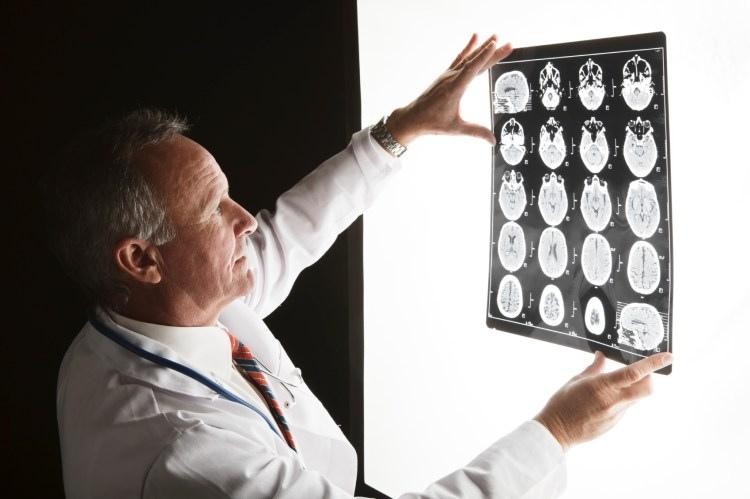
Классификация черепно-мозговых травм2
By severity.
By the nature of the damage (Glasgow Coma Scale).
Лёгкая ЧМТ соответствует 13–15 баллам (сотрясение головного мозга и ушиб мозга лёгкой степени). Среднетяжёлая — 9–12 баллам (ушиб мозга средней степени). Тяжёлая — 3–8 баллам (ушиб мозга тяжёлой степени).
Periods of the course of TBI 2
Острый период (от 2 до 10 недель)
от момента повреждающего воздействия на головной мозг до стабилизации функций либо летального исхода.
Промежуточный период (от 2 до 6 месяцев)
from stabilization of functions to complete or partial recovery.
Отдаленный период (до 2 лет)
клиническое выздоровление и реабилитация нарушенных функций либо возникновение и/или прогрессирование новых патологических состояний.
Влияние черепно-мозговых травм на когнитивные функции
При тяжелой степени ЧМТ, уже в остром периоде возникает механическая деструкция нейронов и сосудистых структур головного мозга ,что приводит к нейровоспалению, нейродегенерации, повышению проницаемости гематоэнцефалического барьера, микроваскулярной дисфункции и выраженному окислительному стрессу[1][6].
В патогенезе повреждения мозговой ткани в остром и промежуточном периодах ЧМТ существенную роль играет избыточная активация перекисного окисления липидов (ПОЛ) в мембранах клеток, что закономерно приводит к нарушению их структурно-функциональных свойств[5].
Последствия перенесенной ЧМТ включают общую слабость, цефалгию, головокружение, брадипсихию, инсомнию, тревожные и депрессивные расстройства, аффективную лабильность, апатию, а также вегетативную дисфункцию[7]. Посттравматическое стрессовое расстройство (ПТСР) диагностируется у 20–40% пациентов, перенесших легкую ЧМТ, и способно усугублять когнитивный дефицит[1]. Среди более серьезных последствий — ухудшение понимания устной и письменной речи, нарушение экспрессивной речи и амнестические расстройства[1].
У детей и подростков даже легкие формы ЧМТ (сотрясение головного мозга) не следует рассматривать как полностью обратимые. Данные состояния являются предиктором психопатологических расстройств, проявляющихся тревогой, депрессией и расстройствами эмоционально-поведенческой регуляции[1]. Нейровизуализационные исследования (МРТ/КТ) в хронической стадии у лиц, перенесших тяжелую ЧМТ, выявляют нейродегенеративные изменения, локализованные преимущественно в белом веществе головного мозга[1].

Терапия черепно-мозговых травм
Терапевтическая тактика и прогноз при ЧМТ определяются тяжестью повреждения и строгим соблюдением врачебных рекомендаций. Ключевое значение имеет раннее начало реабилитационных мероприятий (в первые 3–6 мес. после получения травмы), необходимое для максимально быстрого восстановления утраченных функций. При легкой степени ЧМТ полное восстановление наступает через 3-12 мес., тогда как тяжелая травма нередко сопровождается стойкими нарушениями и требует более продолжительного периода реабилитации.
Реабилитационные методы при ЧМТ включают2
- эмоционально- когнитивную реабилитацию (анальгоседацию, профилактику нарушений и восстановление циркадного ритма, преодоление когнитивно-афферентного диссонанса)
- физиотерапию (кинезиотерапию, вертикализацию, электролечение, массаж и др.).
- фармакотерапию
Учитывая прямую зависимость между степенью активации ПОЛ и тяжестью патологического процесса, терапия, направленная на уменьшение окислительного стресса, должна быть максимально ранней и активной[3]. Важную роль в борьбе с гипоксией головного мозга играют лекарственные средства, обладающие антиоксидантными свойствами.
Одним из известных представителей этой группы является препарат Мексидол® (оригинальный этилметилгидроксипиридина сукцинат). Он проявляет антиоксидантный, антигипоксантный и мембраностабилизирующий эффекты, составляющие его мультимодальный механизм действия[3][10]. Ключевые фармакологические свойства включают антиоксидантное, мембранопротекторное, антигипоксическое, антистрессорное, а также ангиопротекторное и нейропротекторное действие. Мексидол® купирует окислительный стресс, нормализует метаболические процессы в головном мозге и восстанавливает потребление кислорода и глюкозы мозговой тканью.
Благодаря указанным эффектам Мексидол® эффективен в рамках консервативной терапии ЧМТ, что проявляется в более быстром восстановлении интегративной способности головного мозга у пациентов.
Доказанные эффекты Мексидола в рамках клинических исследований
- Стабилизация показателей ПОЛ и состояния антиоксидантной защиты организма, купирование цефалгии, улучшение сна, нормализация артериального давления у пациентов с ЧМТ[9][13].
- Улучшение когнитивных функций и редукция тревожности, что повышает приверженность терапии у пациентов с ПТСР, развившемся в следствии ЧМТ[1].
- Снижение выраженности синдрома эндогенной интоксикации у пациентов с тяжелой степенью повреждения при ЧМТ[4][6].
- Устранение и профилактика отека головного мозга, стабилизация витальных функций и снижение летальности в составе комплексной терапии у пациентов с тяжелой ЧМТ[4].
- Отсутствие побочных эффектов, нарушений сна и повышения судорожной готовности[4].
Применение Мексидола на догоспитальном этапе у пациентов с тяжелой ЧМТ улучшает неврологический статус: отмечается положительная динамика общемозговой симптоматики, восстановление функций нервной системы, снижение повышенного внутричерепного давления, купирование судорожного синдрома и очаговой неврологической симптоматики, более раннее разрешение посттравматической энцефалопатии и восстановление уровня сознания.
На фоне терапии Мексидолом наблюдается благоприятное течение раннего посттравматического периода и уменьшение осложнений8,11,12,13.
Вместо заключения:
Вышеперечисленные фармакологические свойства, высокая эффективность, быстрое наступление терапевтического эффекта, благоприятный профиль безопасности позволяют использовать Мексидол® в клинической практике для комплексной терапии ЧМТ
Схема применения препарата Мексидол® при черепно-мозговых травмах
Пострадавшим с легкими и среднетяжелыми ЧМТ показана последовательная терапия препаратом Мексидол®:
Степень тяжести
Схема введения
Длительность
Легкая и средне-тяжелая
Последовательная терапия в/в или в/м по 5-10 мл (250-500 мг) в течение 15 дней, затем переход на таблетированную форму по 250 мг 3 раза в сутки
Инъекционная терапия в течении 10-15 дней, последующая таблетированная—2-8 недель[9]
Heavy
В/в капельно в более высоких дозах (до 1200 мг, т.е. 24 мл)*
7-10 дней, после чего рекомендован переход на прием пероральных лекарственных форм[9]
*При тяжёлой ЧМТ доказана высокая эффективность и благоприятный профиль безопасности Мексидола при использовании указанной выше высокодозной схемы[11].
Block of articles on this topic
List of literature
- Chuklovina M.L., Chuklovin A.A. Peculiarities of managing patients with traumatic brain injury. S.S. Korsakov Journal of Neurology and Psychiatry. 2021;121(9):119–125.
- Clinical guidelines. Focal brain injury. 2022.
- Shokin M.N., Vlasov A.P., Khovryakov A.V. Clinical and laboratory effect of Mexidol in traumatic brain injury // Bulletin of new medical technologies. 2011. No. 1. Electronic publication.
- Radushkevich V.L. Clinical evaluation of the drug Mexidol in the treatment of severe traumatic brain injury at the stages of medical care. Review // Medical alphabet. Emergency medicine. 2012. No. 1. P. 29–32.
- Savitskaya I.B., Nikonov V.V., Chernov A.V. et al. Efficiency of the drug "Mexidol" in patients with combined traumatic brain injury // Bulletin of Intensive Care. Neuroreanimatology. 2012. No. 3. P. 23–31.
- Chukhlovina M.L. Features of diagnosis and treatment of post-traumatic stress disorder in individuals who suffered mild traumatic brain injury // Neurosurgery. 2011. Vol. III. No. 1. P. 53–56.
- Radushkevich V.L., Tkachenko N.V. Pharmacological and non-pharmacological neuroprotection in severe traumatic brain injury at the prehospital stage // Bulletin of Experimental Biology and Medicine. 2012. Supplement 1. P. 122–127.
- Smirnov V.O., Smirnova O.B. Corrective effect of Mexidol on the dynamics of polypeptide and antioxidant enzymes in post-traumatic syndrome // Bulletin of Experimental Biology and Medicine. 2012. Appendix 1. P. 213–214.
- Инструкция по медицинскому применению лекарственных препаратов: Мексидол, 50 мг/мл, раствор для внутривенного и внутримышечного введения.
Мексидол ФОРТЕ 250, 250 мг, таблетки, покрытые пленочной оболочкойURL: на дату обращения 18.05.2026 - Trukhanova I.G., Tsybin A.V. Experience of using Mexidol in providing prehospital care to patients with acute cerebrovascular accident and traumatic brain injury // Bulletin of Experimental Biology and Medicine. 2012. Appendix 1. P. 118–121.
- Govorova N.V. Oxidative stress and its drug correction with Mexidol in traumatic brain injury // Emergency medical care. 2013. No. 2. P. 36–40.
- Радушкевич В.Л., Окуневский А.И. Нейропротекция при церебральных катастрофах на этапе оказания скорой медицинской помощи // Медицинский алфавит. Неотложная медицина. 2017. Т. 3№19. С. 11–15.
- Abramova E.A., Voennov O.V., Boyarinov G.A., Trofimov A.O. Cerebral circulation and metabolism in victims with traumatic brain injury // General reanimatology. 2018. Vol. 14. No. 1. P. 4–11.
THE INFORMATION IS INTENDED FOR HEALTHCARE AND PHARMACEUTICAL PROFESSIONALS. THIS INFORMATION IS NOT INTENDED AS A SUBSTITUTE FOR MEDICAL ADVICE.
Source of photos and images Shutterstock.com