Authors:
T.M. OSTROUMOVA, O.D. OSTROUMOVA

The importance of identifying and diagnosing signs of brain damage to arterial hypertension
Place of publication:
NEW THERAPEUTIC JOURNAL "NON NOCERE", NOVEMBER, 2020
Abstract:
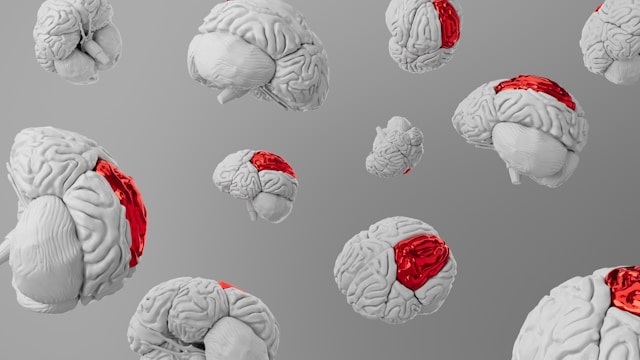
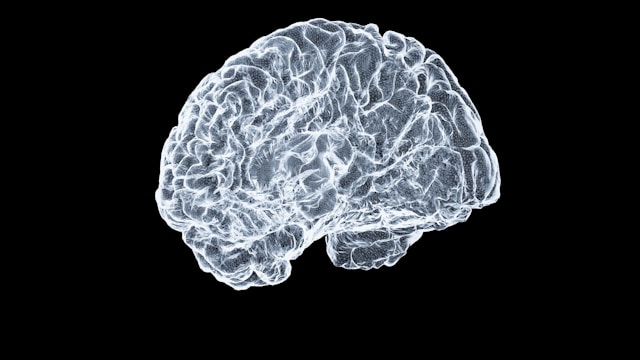
Arterial hypertension (HTN) is a significant medical and social problem worldwide. The disease is often referred to as a "silent killer" because the earliest symptoms of hypertension-related target organ damage are difficult to detect in most patients. Furthermore, in patients with systolic blood pressure (SBP) > 130 mmHg in middle age, the risk of developing dementia in old age increases by 34%. According to current clinical guidelines, manifestations of brain damage in hypertension include so-called silent (asymptomatic) lacunar infarcts, white matter hyperintensity changes, and cerebral microbleeds, which are detected by magnetic resonance imaging (MRI). Cognitive impairment (CI) is a clinical manifestation of brain damage as a target organ of hypertension. The 2018 guidelines for the treatment of patients with hypertension emphasize that MRI is a relatively expensive imaging method, which precludes its use for routine screening. However, neuroimaging, i.e., MRI, is necessary for patients with clinical signs of cognitive impairment (CI). Therefore, the accurate and timely identification of cognitive complaints, signs of CI, and their treatment in patients with hypertension is a crucial task for physicians of any specialty.
Actual





Actual
THE INFORMATION IS INTENDED FOR HEALTHCARE AND PHARMACEUTICAL PROFESSIONALS. THIS INFORMATION IS NOT INTENDED AS A SUBSTITUTE FOR MEDICAL ADVICE.
Source of photos and images Shutterstock.com