Топ-100

Новости и публикации о препарате Мексидол®

Actual

Neurology 2026 в Токио (Япония)

Международный диалог о здоровье мозга и новые данные о нейропротекции при инсульте

5–6 октября 2026 года в Токио прошла Международная конференция по неврологии и неврологическим расстройствам International Conference on Neurology and Neurological Disorders, ICNND 2026 (Neurology 2026), объединившая исследователей, врачей и ученых из разных стран для обсуждения современных подходов к диагностике и лечению заболеваний нервной системы.

Главная тема мероприятия: «Развитие неврологии, расширение возможностей глобального здоровья мозга во всем мире». В программе были представлены доклады специалистов из Японии, США, Австралии, России, Великобритании, Италии и других стран. Данное мероприятие позволило осветить широкий круг вопросов — от нейробиологии до нейрохирургии, нейроиммунологии и применения искусственного интеллекта в неврологии и при анализе данных нейровизуализации.

Read more

Мозг часов не наблюдает

В клинической практике инсультного отделения время приобретает характер самостоятельного диагностического и терапевтического фактора. Оно фиксируется в карте вызова, протоколе нейровизуализации: когда пациента в последний раз видели без симптомов, сколько минут прошло до введения тромболитика, восстановления кровотока.

Привычная парадигма «время — мозг» оправдана, так как задержка реперфузии снижает вероятность благоприятного исхода. Однако клинический опыт неизбежно выявляет расхождение между формальным временем в документах и фактическим состоянием пациента.

Read more

Активное долголетие без иллюзий

Увеличение продолжительности жизни не всегда сопровождается столь же длительным сохранением здоровья и самостоятельности. Поэтому задача современной гериатрии — не только лечить заболевания, но и предупреждать функциональное снижение, помогая пожилому человеку как можно дольше сохранять независимость и качество жизни.

Read more

Болезнь Альцгеймера: почему качество сна влияет на риск деменции

Ко дню осведомленности о болезни Альцгеймера 

21 сентября — Международный день осведомленности о болезни Альцгеймера. Медицинское сообщество традиционно обсуждает диагностику, терапию и маршрутизацию пациентов с когнитивными нарушениями. Многие годы мы упускаем из виду фактор, который влияет на патогенез заболевания так же значимо, как артериальная гипертензия (АГ) или сахарный диабет (СД). Речь о качестве сна.

Read more

Всемирный день мозга 2026: нейрореабилитация без границ

Головной мозг — главный орган центральной нервной системы, контролирующий и регулирующий взаимосвязанную деятельность всех органов и систем организма. Именно он делает нас теми, кто мы есть: наша личность, память, способность мыслить, чувствовать и двигаться — всё это результат работы сложной сети нейронных взаимодействий. Осознание этой уникальной ценности и легло в основу учреждения Всемирного дня мозга (World Brain Day), который с 2014 года ежегодно отмечается 22 июля.

Read more

По дороге клинической мысли Международная научно-практическая Олимпиада «Медицина будущего: 30 лет достижений и новых горизонтов»

«За плечами каждого практикующего врача скрывается уникальный массив данных, который заслуживает всеобщего признания» О.М. Драпкина

На пересечении доказательной медицины и клинической практики открывается уникальная возможность для профессионалов медицинского сообщества. Научно-практическая Олимпиада «Медицина будущего: 30 лет достижений и новых горизонтов» — это вызов самому себе и шанс превратить накопленный клинический опыт в признанный научный результат.

Read more

Нобелевская премия, цепные реакции и призвание врача…

Химические процессы в живых организмах подчиняются тем же законам, что и в неживой природе.

Цепная реакция, однажды начавшись, может развиваться лавинообразно.

(Семенов Н.Н.)

Read more

WSC 2025 in Barcelona: Global Solidarity in the Fight Against Stroke Sets a New Direction for Development. New Data on the Role of Succinate-Containing Therapy

In October 2025, the 17th World Stroke Congress (WSC 2025), ​​becoming the largest and most significant international forum in this field. More than 4,000 delegates from 100 countries—leading neurologists, neurosurgeons, rehabilitation specialists, researchers, and patient advocates—united under the auspices of the World Stroke Organization (WSO) to define the future of stroke prevention, treatment, and rehabilitation. The data presented on the role of antioxidant therapy was of particular interest.

Read more

Changes in the instructions for the medical use of Mexidol: a new indication (ADHD) and children's age (6+)

Dear colleagues, we inform you about the inclusion of a new indication - attention deficit syndrome with hyperactivity (ADHD) in children aged 6 to 12 years, including hyperactivity, impaired attention, impulsiveness.

Read more

In/m injections at home - saving time of the procedural office and convenience for young patients

With the high -speed rhythm of life that is now, many patients, especially working age, do not always manage to find time in their dense schedule for visiting the procedural office. Nevertheless, they also get sick and they can also diagnose serious pathologies that will require the purpose of the course of effective therapy, including Injection forms.

Read more

The article “The results of a multicenter double blind randomized placebo-controlled clinical study on assessing the effectiveness and safety of the drug Mexidol in the treatment of attention deficit syndrome in children (mega)”

The "Library" - "Evidence Base" section contains the article "Results of a multicenter, double-blind, randomized, placebo-controlled clinical trial to evaluate the efficacy and safety of Mexidol in the treatment of attention deficit hyperactivity disorder in children (MEGA)."

Read more

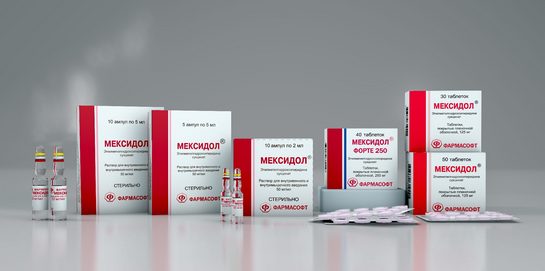
The results of a unique and first one kind of international multicenter randomized double-centered placebo-controlled study on the study of the efficiency of consecutive therapy with Mexidol® and Mexidol® Forte 250 in patients with chronic brain ischemia (Memo)

The results of an international, multicenter, randomized, double-blind, placebo-controlled study evaluating the efficacy and safety of sequential therapy with Mexidol® and Mexidol® FORTE 250 in patients with chronic cerebral ischemia (the MEMO study), conducted in full compliance with international ethical and scientific standards for the design and conduct of research involving human subjects (GCP), were published in the Korsakov Journal of Neurology and Psychiatry, 2021; 121(11):7–16, a leading peer-reviewed journal for neurologists and psychiatrists in Russia, recognized by the Higher Attestation Commission (HAC).
 

Read more

Consistent, prolonged therapy - the key to effective treatment

To fully utilize the therapeutic potential of Mexidol®, sequential long-term therapy is recommended (EPICA1, 2017): initially 14 days of injections (saturation phase), followed by a transition to Mexidol® or Mexidol® FORTE 250 tabletsfor 2months (therapeutic effect maximization phase). Therapy is administered 2-3 times per year or during periods of exacerbation.

Read more

All news

About the drug Mexidol®

The results of a unique and first one kind of international multicenter randomized double-centered placebo-controlled study on the study of the efficiency of consecutive therapy with Mexidol® and Mexidol® Forte 250 in patients with chronic brain ischemia (Memo)

The results of an international, multicenter, randomized, double-blind, placebo-controlled study evaluating the efficacy and safety of sequential therapy with Mexidol® and Mexidol® FORTE 250 in patients with chronic cerebral ischemia (the MEMO study), conducted in full compliance with international ethical and scientific standards for the design and conduct of research involving human subjects (GCP), were published in the Korsakov Journal of Neurology and Psychiatry, 2021; 121(11):7–16, a leading peer-reviewed journal for neurologists and psychiatrists in Russia, recognized by the Higher Attestation Commission (HAC).


19.01.22
Read more
About the drug Mexidol®

Consistent, prolonged therapy - the key to effective treatment

To fully utilize the therapeutic potential of Mexidol®, sequential long-term therapy is recommended (EPICA1, 2017): initially 14 days of injections (saturation phase), followed by a transition to Mexidol® or Mexidol® FORTE 250 tabletsfor 2months (therapeutic effect maximization phase). Therapy is administered 2-3 times per year or during periods of exacerbation.

27.08.20
Read more
1 2 3

THE INFORMATION IS INTENDED FOR HEALTHCARE AND PHARMACEUTICAL PROFESSIONALS. THIS INFORMATION IS NOT INTENDED AS A SUBSTITUTE FOR MEDICAL ADVICE.

Source of photos and images Shutterstock.com