-

Mexidol®, solution for intravenous and intramuscular
administration, 50 mg/ml, 2 ml, No. 10 -
Mexidol® solution for IV and IM administration 50 mg/ml, 5 vials of 5 ml
-
Mexidol® solution for IV and IM administration 50 mg/ml, 10 vials of 5 ml
-

Mexidol® film-coated tablets, 30 tablets of 125 mg
-
Mexidol®, tablets, film-coated,
125 mg, No. 50 -
Mexidol® FORTE 250, tablets,
film-coated, 250 mg, No. 40


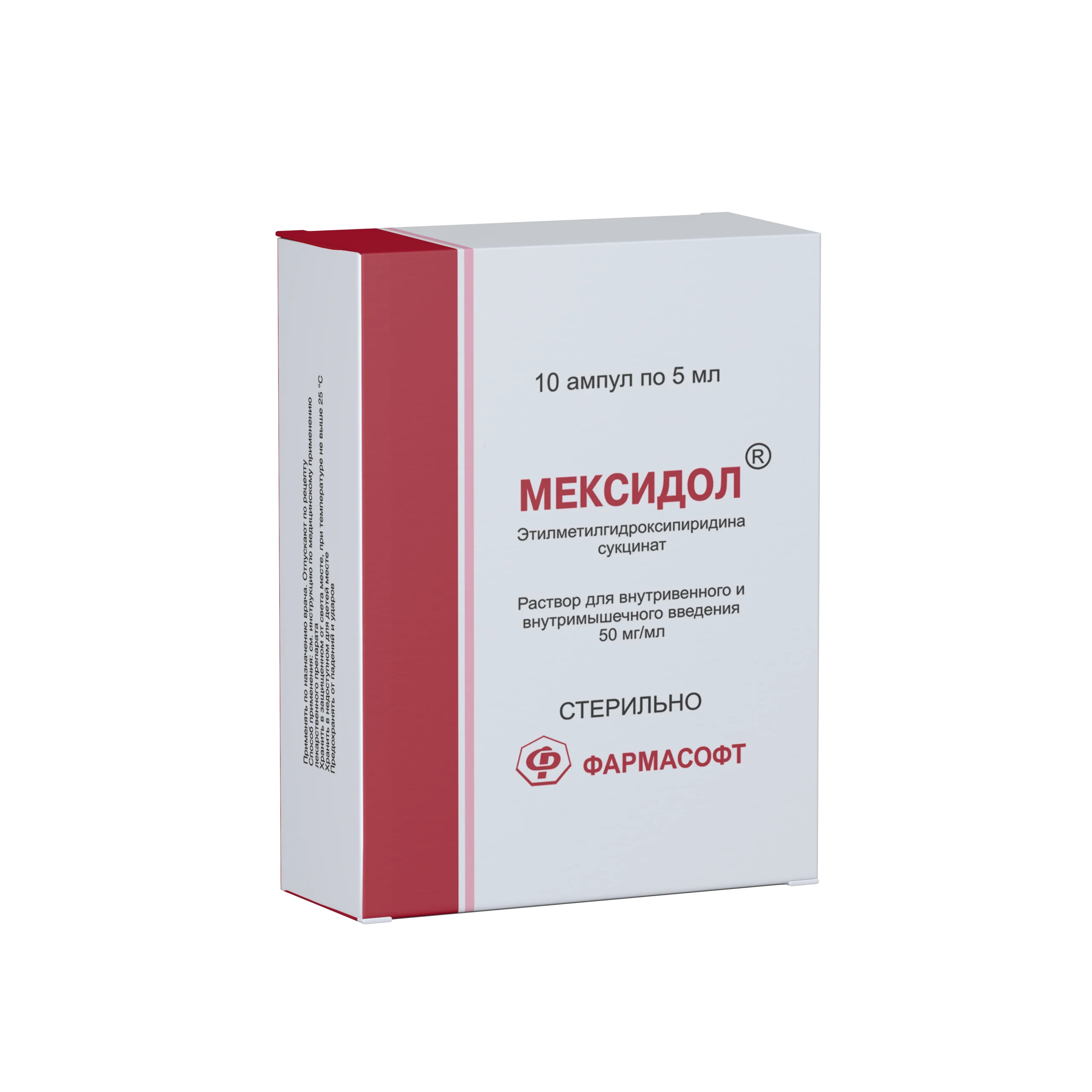

10 vials of 5 mL
1 ml contains 50 mg of the active substance
1. Name of the drug
Mexidol® solution for intravenous and intramuscular administration, 50 mg/ml, 5 ml
2. Qualitative and quantitative composition
Active ingredient: ethyl methylhydroxypyridine succinate.
Each 1 ml of solution contains 50 mg of ethyl methylhydroxypyridine succinate.
A 5 ml ampoule contains 250 mg of ethyl methylhydroxypyridine succinate.
Excipients that must be included in the composition of the medicinal product: sodium metabisulfite – 0.4 mg per 1 ml of the drug (see section 4.4).
A full list of excipients is provided in section 6.1.
3. Dosage form
Solution for intravenous and intramuscular administration.
A clear, colorless or slightly yellowish liquid.
4. Clinical data
4.1. Indications:
- acute cerebral circulation disorders;
- cerebral infarction (ischemic stroke);
- traumatic brain injury, consequences of traumatic brain injury;
- dyscirculatory encephalopathy;
- Chronic cerebral ischemia;
- Vegetative dystonia syndrome;
- Mild (moderate) cognitive disorders;
- Anxiety disorders in neurotic and neurosis-like states;
- acute myocardial infarction (from the first day) as part of complex therapy;
- primary open -angle glaucoma of various stages, as part of complex therapy;
- withdrawal syndrome in alcoholism with predominance of neurosis-like and vegetative-vascular disorders;
- acute intoxication with antipsychotic drugs;
- acute purulent-inflammatory processes of the abdominal cavity (acute necrotizing pancreatitis, peritonitis) as part of complex therapy.
4.2. Dosage and administration:
Dosage regimen
: Adults: The maximum daily dose should not exceed 1200 mg.
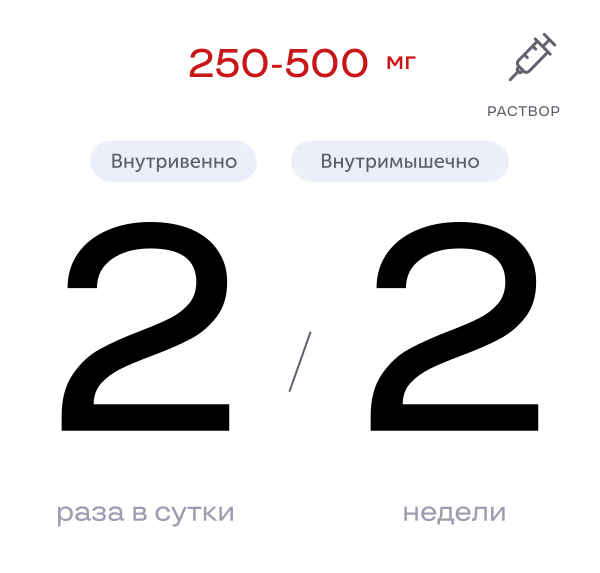
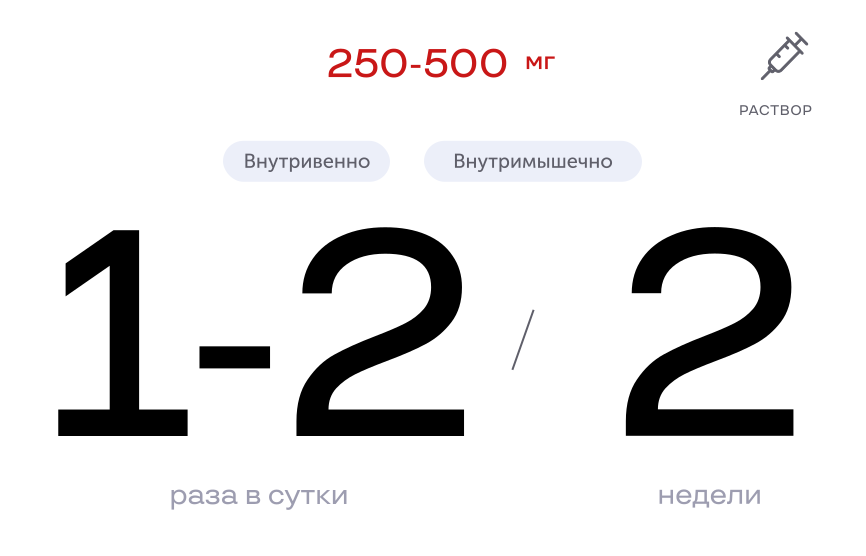
For acute cerebrovascular accidents, Mexidol® is administered intravenously (IV) by drip, 200-500 mg 2-4 times daily for the first 10-14 days, then intramuscularly (IM), 200-250 mg 2-3 times daily for 2 weeks, after which a transition to oral dosage forms is recommended.
In case of traumatic brain injury and consequences of traumatic brain injury, Mexidol® is used for 10-15 days intravenously by drip at 200-500 mg 2-4 times a day, after which it is recommended to switch to taking oral dosage forms.
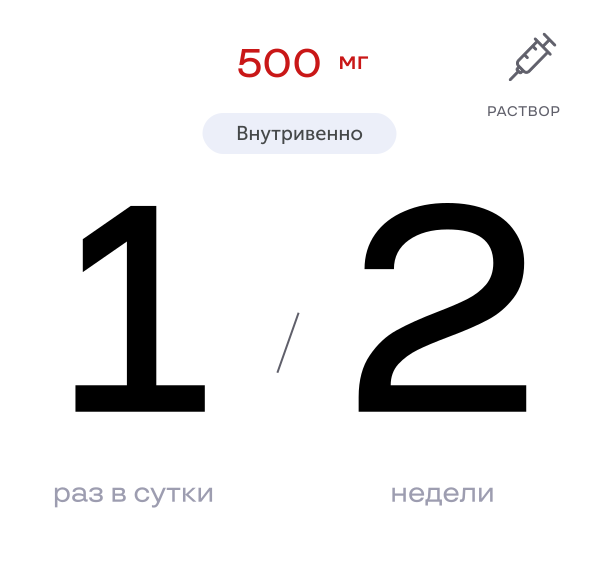
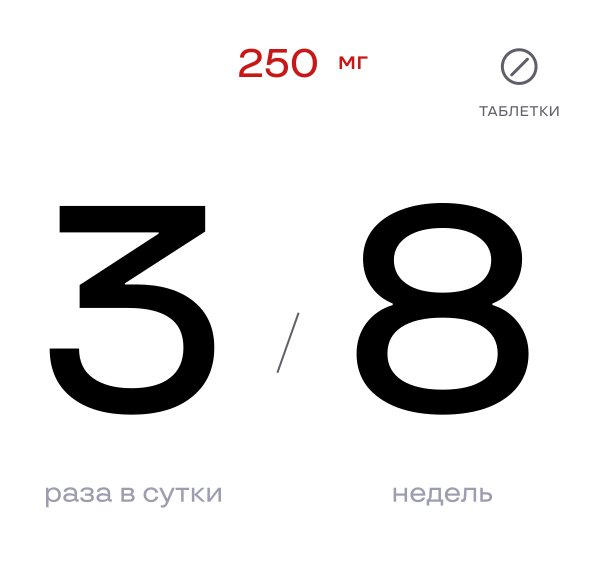
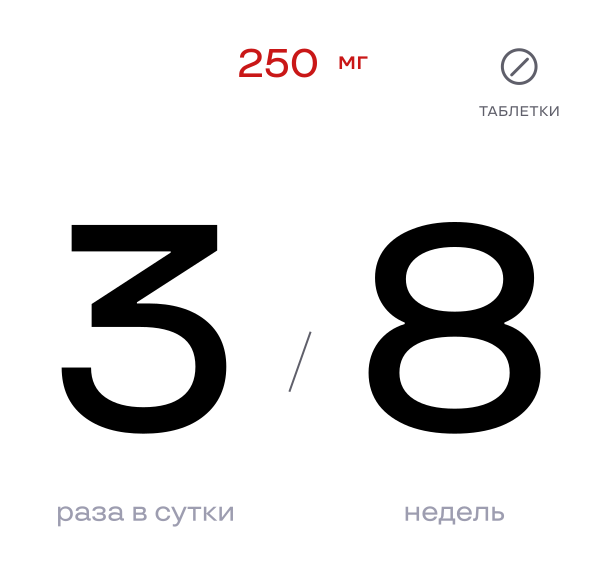
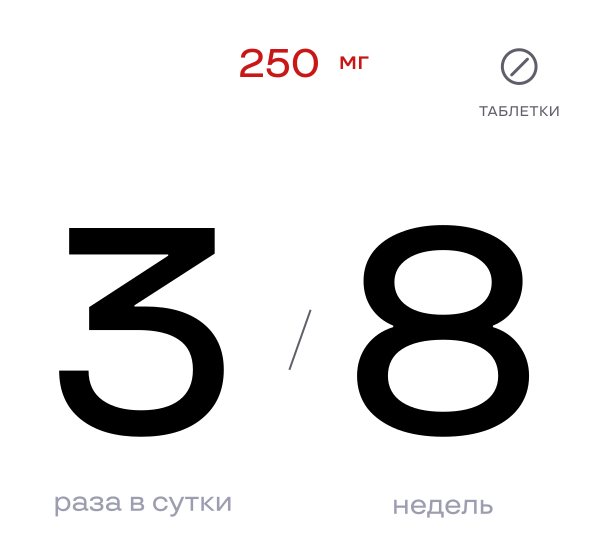
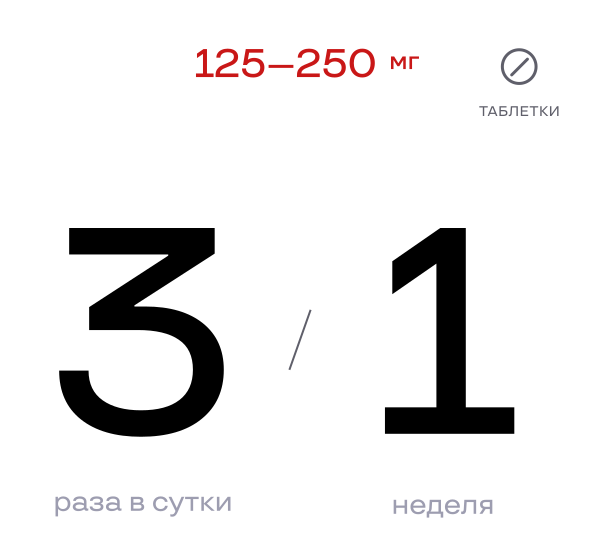
In case of cerebral infarction (ischemic stroke), Mexidol is administered intravenously by drip at 500 mg (10 ml) 2 times a day for 10 days, after which a transition is made to taking oral dosage forms at a dose of 250 mg 3 times a day for 60 days.
For decompensated cerebrovascular insufficiency, Mexidol® should be administered intravenously by jet stream or drip at a dose of 200-500 mg 1-2 times daily for 14 days. Then, intramuscularly at 100-250 mg daily for the next 2 weeks, after which a transition to oral medications is recommended.
For the prophylaxis of cerebrovascular insufficiency, the drug is administered intramuscularly at a dose of 200-250 mg twice daily for 10-14 days, after which a transition to oral administration is recommended.
For chronic cerebral ischemia, Mexidol® should be administered at a dose of 10 ml (500 mg) once daily, either intravenously by drip or by slow intravenous stream for 14 days, after which a transition to oral administration is recommended.
For mild (moderate) cognitive impairment, Mexidol® should be prescribed 10 ml (500 mg) once a day intravenously by drip or intravenously by slow jet stream for 14 days, after which it is recommended to switch to taking oral dosage forms.
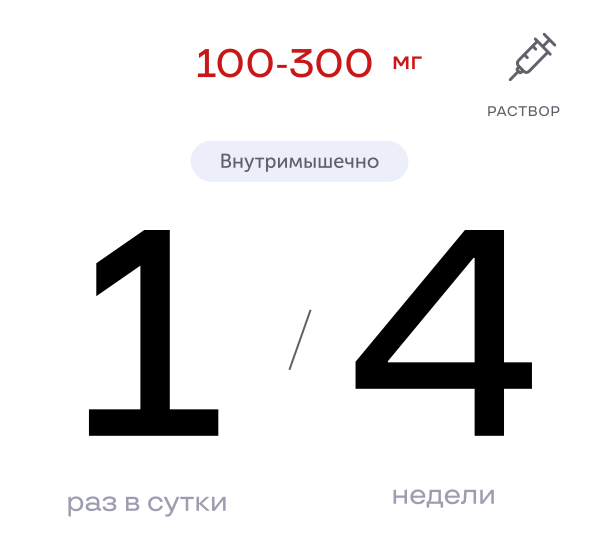
For anxiety disorders, the drug is administered intramuscularly at a daily dose of 100-300 mg for 14-30 days, after which a transition to oral dosage forms is recommended.
For acute myocardial infarction, as part of combination therapy, Mexidol® is administered intravenously or intramuscularly for 14 days alongside traditional myocardial infarction therapy, including nitrates, beta-blockers, angiotensin-converting enzyme (ACE) inhibitors, thrombolytics, anticoagulants, and antiplatelet agents, as well as symptomatic medications as indicated.
For the first 5 days, to achieve maximum effect, it is recommended to administer the drug intravenously; for the following 9 days, Mexidol® can be administered intramuscularly.
The drug is administered intravenously by slow drip infusion (to avoid side effects) using 100-150 ml of 0.9% sodium chloride solution or 5% dextrose (glucose) solution over 30-90 minutes. If necessary, the drug can be administered as a slow jet stream over at least 5 minutes.
The drug is administered (intravenously or intramuscularly) 3 times daily, every 8 hours. The daily therapeutic dose is 6-9 mg/kg of body weight per day, with a single dose of 2-3 mg/kg of body weight. The maximum daily dose should not exceed 800 mg, with a single dose of 250 mg.
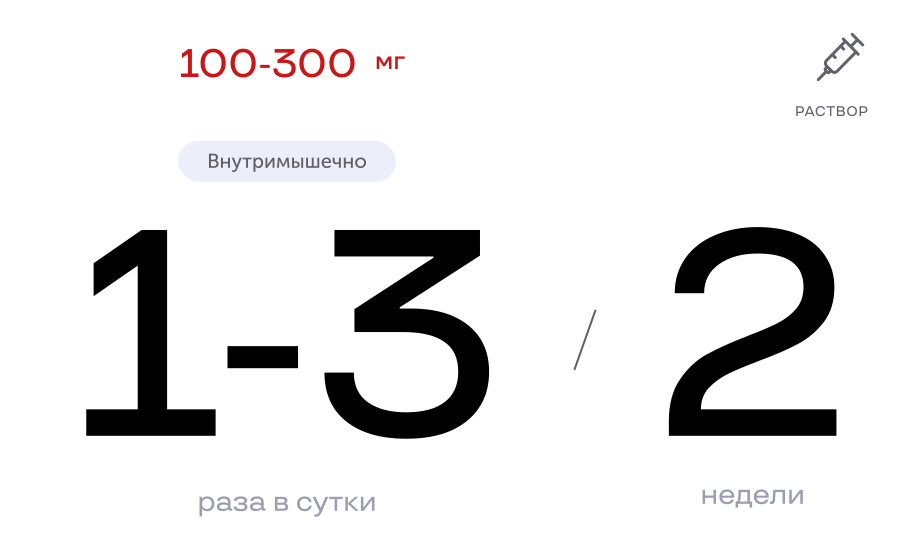
For open-angle glaucoma of various stages, as part of complex therapy, Mexidol® is administered intramuscularly at 100-300 mg per day, 1-3 times per day for 14 days.
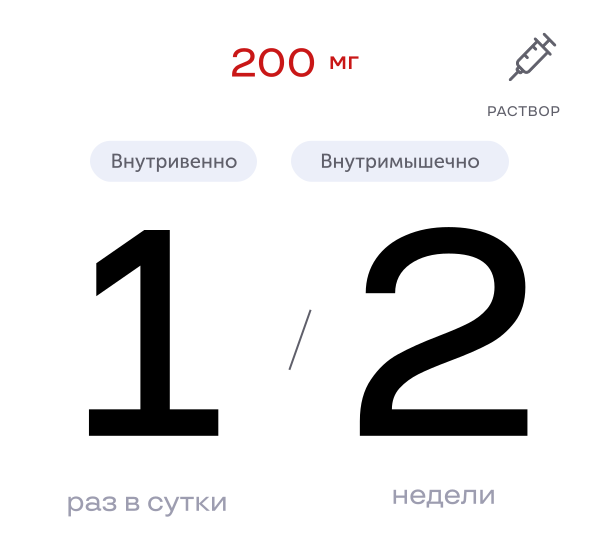
For alcohol withdrawal syndrome, Mexidol® is administered at a dose of 200-500 mg intravenously by drip or intramuscularly 2-3 times a day for 5-7 days.
In acute intoxication with antipsychotic drugs, the drug is administered intravenously at a dose of 200-500 mg per day for 7-14 days.
For acute purulent-inflammatory processes in the abdominal cavity (acute necrotic pancreatitis, peritonitis), the drug is prescribed on the first day of both the preoperative and postoperative periods. The dose depends on the type and severity of the disease, the extent of the process, and the clinical course. The drug should be gradually discontinued only after a sustained positive clinical and laboratory response.
For acute edematous (interstitial) pancreatitis, Mexidol® is prescribed at 200-500 mg 3 times a day, intravenously by drip (in 0.9% sodium chloride solution) and intramuscularly. Mild necrotic pancreatitis - 100-200 mg 3 times a day intravenously by drip (in 0.9% sodium chloride solution) and intramuscularly. Moderate severity - 200 mg 3 times a day, intravenously by drip (in 0.9% sodium chloride solution). Severe course - at a pulse dosage of 800 mg on the first day, with a twice-daily administration regimen; then 200-500 mg 2 times a day with a gradual reduction of the daily dose. In extremely severe cases , the initial dosage is 800 mg per day until the manifestations of pancreatogenic shock are persistently relieved; after stabilization of the condition, 300-500 mg 2 times a day intravenously by drip (in 0.9% sodium chloride solution) with a gradual reduction in the daily dosage.
Directions for administration:
IM or IV (jet or drip).
Mexidol® is administered slowly over 5-7 minutes by jet injection, or at a rate of 40-60 drops per minute by drip.
For instructions on preparing the medication before use, see section 6.6.
4.3. Contraindications
- hypersensitivity to ethylmethylhydroxypyridine succinate or to any of the excipients listed in section 6.1;
- acute renal failure;
- acute hepatic failure;
- pregnancy, breastfeeding (due to insufficient knowledge of the drug);
- pediatric use (due to insufficient data on the drug action).
4.4. Special instructions and precautions for use:
In individual cases, especially in predisposed patients with bronchial asthma with hypersensitivity to sulfites, development of severe hypersensitivity reactions and bronchospasm is possible.
4.5. Interaction with other drugs and other types of interaction:
The drug enhances the effects of benzodiazepine anxiolytics, anticonvulsants (carbamazepine) and antiparkinsonian agents (levodopa). The drug reduces the toxic effects of ethyl alcohol.
Based on the results of clinical studies and post-marketing surveillance, no signals of drug-drug interactions have been identified.
4.6. Fertility, pregnancy and lactation:
Mexidol® is contraindicated during pregnancy and breastfeeding.
4.7. Effects on ability to drive and use machines
During the drug administration period, caution should be exercised when performing work requiring quick psychophysical reactions (driving vehicles, using machines, etc.).
4.8. Adverse reactions
Summary of the safety profile
To avoid the occurrence of adverse reactions, it is recommended to adhere to the dosage regimen and the rate of administration of the drug.
Summary of adverse reactions
The frequency of adverse reactions was determined in accordance with the classification of the World Health Organization (WHO): very common (≥ 10%); common (≥ 1%, but ˂ 10%); uncommon (≥ 0.1%, but ˂ 1%); rare (≥ 0.01%, but ˂ 0.1%); very rare (˂ 0.01%); frequency unknown (frequency cannot be estimated from the available data).
Immune system disorders: very rare – anaphylactic shock, angioedema, urticaria.
Mental disorders: very rare – drowsiness.
Nervous system disorders: very rare – headache, dizziness (may be associated with an excessively high rate of administration and is short-lived).
Vascular disorders: very rare – decreased blood pressure (BP), increased blood pressure (may be associated with excessively high administration rate and is short-lived).
Respiratory, thoracic, and mediastinal disorders: very rare – dry cough, sore throat, chest discomfort, difficulty breathing (may be associated with excessively high administration rate and is short-lived).
Gastrointestinal disorders: very rare – dry mouth, nausea, unpleasant odor, metallic taste in the mouth.
Skin and subcutaneous tissue disorders: very rare – itching, rash, hyperemia.
General disorders and reactions at the injection site: very rare – sensation of warmth.
Reporting suspected adverse reactions
is important after registration of a medicinal product to ensure continuous monitoring of the benefit-risk balance of the medicinal product. Healthcare professionals are encouraged to report any suspected adverse reactions to the medicinal product through the national adverse reaction reporting systems of the Eurasian Economic Union member states.
Address: 109012, Moscow, Slavyanskaya square, 4, building 1
Federal Service for Surveillance in Healthcare of the Russian Federation (Roszdravnadzor)
4.9 Overdosage:
Symptoms:
Drowsiness, insomnia.
Treatment:
Due to low toxicity, overdose is unlikely. Treatment is generally not required; symptoms resolve spontaneously within 24 hours. In cases of severe symptoms, supportive and symptomatic treatment is administered.
5. Pharmacological properties
5.1. Pharmacology
Pharmacotherapeutic group: Other drugs for the treatment of diseases of the nervous system. Other drugs for the treatment of diseases of the nervous system.
ATX code: N07XX.
Mechanism of action:
Mexidol®'s mechanism of action is due to its antihypoxic, antioxidant, and membrane-protective effects. It inhibits lipid peroxidation, increases superoxide dismutase activity, improves the lipid-protein ratio, reduces membrane viscosity, and increases membrane fluidity. It modulates the activity of membrane-bound enzymes (calcium-independent phosphodiesterase, adenylate cyclase, acetylcholinesterase) and receptor complexes (benzodiazepine, gamma-aminobutyric acid (GABA), and acetylcholine), enhancing their ligand-binding capacity, helping to maintain the structural and functional organization of biomembranes, neurotransmitter transport, and improve synaptic transmission. Mexidol® increases dopamine levels in the brain. It causes an increase in the compensatory activity of aerobic glycolysis and a decrease in the degree of inhibition of oxidative processes in the Krebs cycle under hypoxic conditions with an increase in the content of adenosine triphosphate (ATP), creatine phosphate and activation of the energy-synthesizing functions of mitochondria, stabilization of cell membranes.
Pharmacodynamic effects
: It has antihypoxic, membrane-protective, nootropic, anticonvulsant, and anxiolytic effects, and increases the body's resistance to stress. The drug increases the body's resistance to the effects of major damaging factors and oxygen-dependent pathological conditions (shock, hypoxia and ischemia, cerebrovascular accidents, alcohol intoxication, and intoxication with antipsychotic drugs (neuroleptics)). It stabilizes the membrane structures of blood cells (erythrocytes and platelets) during hemolysis.
Mexidol® improves cerebral metabolism and cerebral blood flow, improves microcirculation and blood rheology, and reduces platelet aggregation. It has a hypolipidemic effect, reducing total cholesterol and low-density lipoprotein (LDL) levels.
The use of Mexidol in cerebral infarction (ischemic stroke) reduces the degree of neurological deficit and improves the recovery of neurological functions, as well as improves functional outcome and reduces disability. Mexidol® normalizes metabolic processes in the ischemic myocardium, reduces the area of necrosis, restores and improves electrical activity and myocardial contractility, increases coronary blood flow in the ischemic zone, and reduces the consequences of reperfusion syndrome in acute coronary insufficiency. It enhances the antianginal activity of nitro drugs.
Mexidol® helps preserve retinal ganglion cells and optic nerve fibers in progressive neuropathy caused by chronic ischemia and hypoxia. It improves the functional activity of the retina and optic nerve, increasing visual acuity.
It reduces enzymatic toxemia and endogenous intoxication in acute pancreatitis.
Clinical Efficacy and Safety
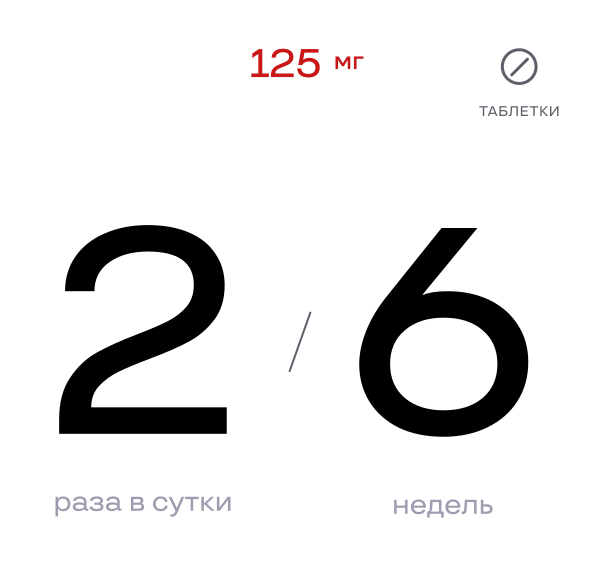
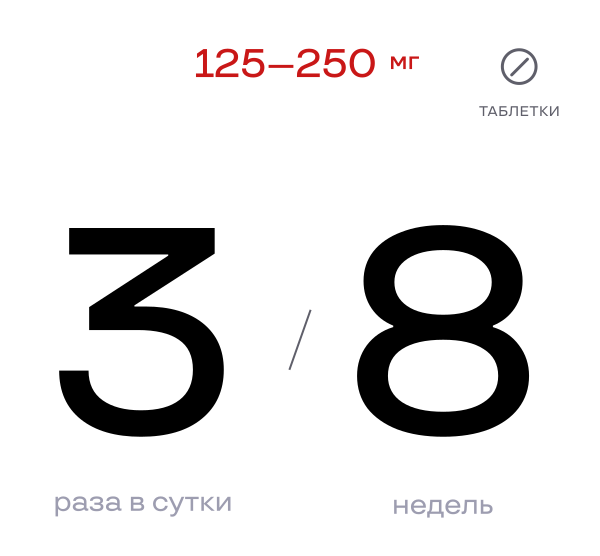
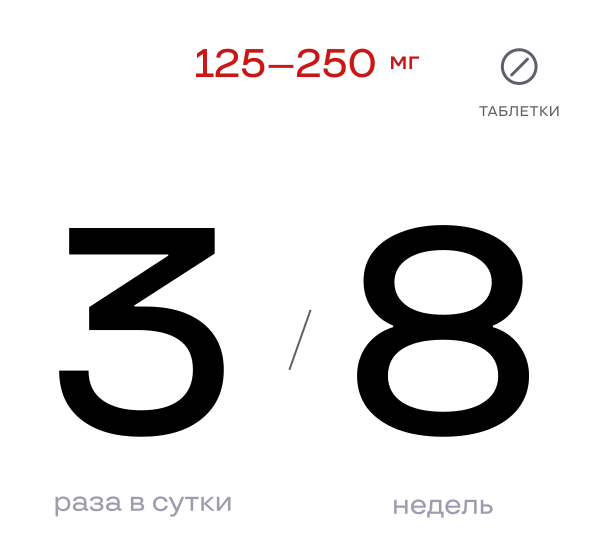
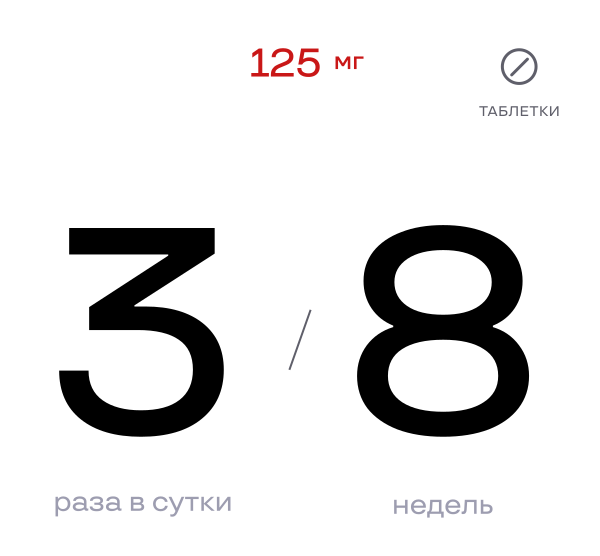
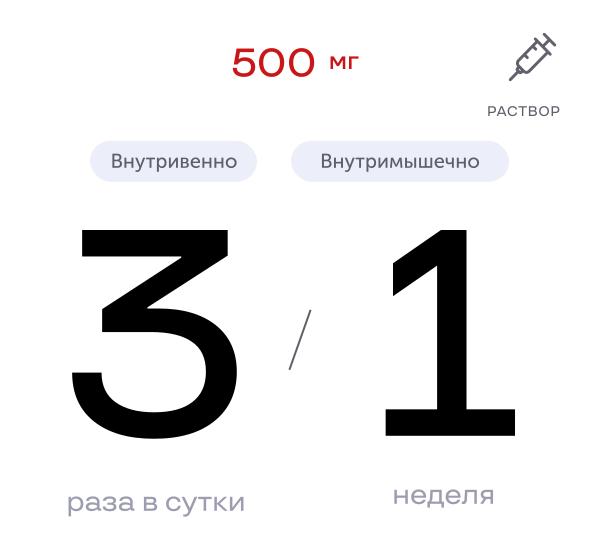
A randomized, double-blind, placebo-controlled, parallel-group study of the efficacy and safety of Mexidol® in long-term sequential therapy in patients with hemispheric ischemic stroke in the acute and early recovery periods was conducted in 150 patients aged 40 to 79 years. Patients were randomized into 2 groups: the first group received Mexidol® therapy at a dose of 500 mg per day intravenously by drip for 10 days, followed by 1 tablet (125 mg) 3 times a day for 8 weeks. In the Mexidol® therapy group, a significant reduction in symptoms and functional impairment was demonstrated compared to placebo. With the use of Mexidol®, a significantly more pronounced improvement in vital functions was observed compared to Placebo: at the end of therapy, the average score on the modified Rankin Scale (mRS) was lower in the Mexidol® group (p = 0.04); the dynamics of the average score decrease on the mRS was also more pronounced in this group (p = 0.023). The proportion of patients who achieved recovery corresponding to 0-2 points on the mRS at the end of therapy was significantly higher in the Mexidol® group compared to Placebo – 59 (96.7%) and 53 (84.1%), respectively (p = 0.039). At the end of therapy, neurological deficit was significantly lower in the Mexidol® group: when testing on the National Institutes of Health stroke scale at the end of therapy, the average value was lower in the Mexidol® group (p = 0.035). The use of Mexidol® contributed to improved functional recovery: the proportion of patients without problems with spatial mobility was significantly higher (p = 0.022). According to the results of the subanalysis, the effectiveness of Mexidol® on all scales used was equal in all age groups. No significant differences in the frequency of adverse reactions were found in patients of both groups, and the safety profile of long-term sequential therapy with Mexidol® was comparable to placebo in patients of different age groups.
An international, multicenter, randomized, double-blind, placebo-controlled phase III study to evaluate the efficacy and safety of sequential therapy with Mexidol® and Mexidol® FORTE 250 (MEMO) in patients with chronic cerebral ischemia was conducted on 318 patients aged 40 to 90 years. Patients were randomized into 2 groups: the first group received therapy with Mexidol® at 10 ml (500 mg) once a day intravenously by drip or intravenous by slow stream for 14 days, followed by Mexidol® FORTE 250 at 1 tablet 3 times a day for the next 60 days. According to the study results, at the end of therapy, statistically significant changes in scores on the Montreal Cognitive Assessment (MoCA) were revealed when comparing the dynamics between the Mexidol®/Mexidol® FORTE 250 and Placebo groups (p < 0.000001, t-test for independent samples). The lower limit of the 95% confidence interval for the difference in the means of the primary efficacy indicator in the Mexidol®/Mexidol® FORTE 250 and Placebo groups was 1.51. This limit is a positive value, which allows us to state the superior efficacy of Mexidol® and Mexidol® FORTE 250 over Placebo. Also, according to the study results, statistically significant changes in scores on the Montreal MoCA scale at the end of patient therapy were revealed to compare the dynamics between the groups of Mexidol® and Mexidol® FORTE 250 and Placebo during a subanalysis for all age groups, which indicates equal efficacy of Mexidol® and Mexidol® FORTE 250 in all age groups. Based on the results of the assessment of secondary endpoints of the efficacy of Mexidol® and Mexidol® FORTE 250 during therapy, statistically significant differences were obtained compared to Placebo for the following indicators: dynamics of the severity of cognitive impairment according to the MoCA scale; dynamics of the severity of cognitive impairment according to the digital symbol substitution test; dynamics of the severity of asthenic disorders according to the MFI-20 asthenia scale; Dynamics of autonomic changes according to the Vein questionnaire; Dynamics of the anxiety level according to the Beck scale; Dynamics of motor changes according to the Tinetti scale; Dynamics of the global clinical impression according to the Clinical Global Impressions Scale; Dynamics of patients' quality of life according to the SF-36 questionnaire (psychological component of health).
The results of the statistical analysis of the incidence of adverse events, laboratory test results, and physical examination demonstrate the absence of significant differences between the compared groups in terms of the main safety parameters, which indicates a comparable safety profile of the studied drugs Mexidol® and Mexidol® FORTE 250 and Placebo. A subanalysis in patients of different age groups demonstrated a similar safety profile of Mexidol® + Mexidol® FORTE 250 (ethyl methylhydroxypyridine succinate) and Placebo.
A prospective international multicenter randomized double-blind placebo-controlled study to evaluate the efficacy and safety of Mexidol + Mexidol FORTE 250 (MIR, phase III) in their sequential use in patients in the acute and early recovery periods of ischemic stroke was conducted with the participation of 304 patients aged 40 to 75 years. Patients in the study group received therapy with Mexidol 50 mg / ml, 10 ml (500 mg) 2 times a day (1000 mg per day) intravenously by drip for 10 days, followed by Mexidol FORTE 250 1 tablet 3 times a day for the next 60 days. Patients in the control group received Placebo according to a similar scheme. At the end of therapy, the change in the patient's condition assessment results using the mRS scale relative to the baseline was -2.45 points in the Mexidol + Mexidol FORTE 250 group and -2.01 points in the placebo group, and this difference was statistically significant (p = 0.003). At the end of therapy, a statistically significant prevalence of the proportion of disabled patients (3 or more points on the mRS scale) was revealed in the Placebo group (28%) compared to the Mexidol + Mexidol FORTE 250 group (16%) (p = 0.016). At the same time, the proportion of patients with an assessment of 0-1 point on the mRS scale at the end of therapy was statistically significantly (p = 0.002) higher in the Mexidol + Mexidol FORTE 250 group (60%) than in the Placebo group (41%). The obtained results of the study allow us to state the greater efficacy of Mexidol + Mexidol FORTE 250 in improving the functional outcome of the disease and reducing the level of disability compared to Placebo. Also, by the end of therapy, a statistically significant difference was recorded in terms of absolute dynamics, compared with the initial level and on the NIHSS scale: -7.00 [-9.00; -6.00] points in the Mexidol + Mexidol FORTE 250 group and -7.00 [-8.00; -5.00] points in the Placebo group (p < 0.001). Thus, when using Mexidol + Mexidol FORTE 250, a statistically significant, more pronounced recovery of neurological functions was noted compared to Placebo. The median of absolute dynamics according to the Rivermead index in the group of patients receiving Mexidol + Mexidol FORTE 250 at the end of therapy was 10.00 [7.00; 12.00] points compared to the Placebo group – 9.00 [7.00; 11.00] points (statistically significant differences between the groups at p = 0.008). According to the obtained results, the use of Mexidol in the acute and early recovery periods of ischemic stroke improves the patient's activity and mobility, which leads to more successful rehabilitation. An additional analysis in the ITT population including data from early termination visits confirmed the above findings. Statistical analysis of vital signs. SBP, DBP, HR and RR statistically significantly normalized in both groups. Thus, no negative effect of Mexidol on the cardiovascular system was detected. The safety analysis based on the registration of adverse reactions does not contain data on the presence of adverse drug interactions of the study drug Mexidol (parenteral and oral administration) with other drugs (antihypertensive, antithrombotic, lipid-lowering) included in the basic therapy. The results of the statistical analysis of the frequency of adverse events, physical examination data, including an assessment of vital signs, laboratory and instrumental examination methods demonstrated the absence of significant differences between the compared groups in the main safety indicators.
5.2. Pharmacokinetics:
Absorption:
Following intramuscular administration, absorption is detectable in plasma for 4 hours after administration. The time to reach maximum concentration (Tmax) is 0.45-0.5 hours. Cmax after administration of a dose of 400-500 mg is 3.5-4.0 mcg/ml.
Distribution:
Rapidly passes from the bloodstream into organs and tissues and is rapidly eliminated from the body. The drug's mean residence time (MRT) is 0.7-1.3 hours.
Biotransformation:
Metabolized in the liver by glucuronide conjugation. Five metabolites have been identified: 3-hydroxypyridine phosphate – formed in the liver, with the participation of alkaline phosphatase, it breaks down into phosphoric acid and 3-hydroxypyridine; the 2nd metabolite is pharmacologically active, formed in large quantities and detected in urine 1-2 days after administration; the 3rd is excreted in large quantities in the urine; the 4th and 5th are glucuronide conjugates.
Elimination
The drug is excreted mainly in urine, mainly in glucuronide-conjugated form and in small amounts unchanged.
5.3. Preclinical safety data
No specific harm to humans has been identified in preclinical data obtained from standardized studies of pharmacological safety, repeated dose toxicity, genotoxicity, carcinogenic potential, reproductive and ontogenetic toxicity.
6. Pharmaceutical properties
6.1. List of excipients:
- Sodium metabisulfite;
- Water for injection.
6.2. Incompatibility:
This drug should not be mixed with other drugs except those listed in section 6.6.
6.3. Validity period (shelf life)
3 years.
6.4. Special storage precautions:
Store in a place protected from light at a temperature no higher than 25°C.
6.5. Description and content of the primary packaging
5 ml of the drug are packaged in ampoules made of colorless glass of the 1st hydrolytic class or neutral glass grade NS-3 with a break point and three marking rings (upper - yellow, middle - white, lower - red) or without marking rings.
A label made of writing paper, label paper, or self-adhesive is affixed to the ampoule, or the inscriptions on the ampoule are applied with intaglio or inkjet ink for glass products, or the inscriptions are applied using enamel printing followed by heat treatment.
Five ampoules are placed in a blister pack made of EP-73 polyvinyl chloride film.
For 5 ml ampoules, 1 or 2 blister packs along with the instructions for medical use (package insert) are placed in a cardboard box for consumer packaging.
6.6. Special precautions for disposal of the used drug or waste obtained after the drug administration or handling
There are no special disposal requirements.
For intravenous administration, the drug should be diluted in 100-150 ml of 0.9% sodium chloride solution or 5% dextrose (glucose) solution.
7. Marketing authorization holder
Russia
NPK PHARMASOFT LLC
115407, Moscow, Sudostroitelnaya St., Building 41, Floor 1, Office 12
Tel./Fax: +7 (495) 626-47-55
E-mail: pharmasoft@pharmasoft.ru
7.1 Representative of the marketing authorization holder:
Consumer complaints should be sent to the following address:
In the Russian Federation:
NPK PHARMASOFT LLC,
115407, Moscow, Sudostroitelnaya St., 41, floor 1, office 12.
Tel./Fax: +7 (495) 626-47-55
E-mail: pharmasoft@pharmasoft.ru
8. Marketing authorization number
ЛП-No.(000107)-(РГ-RU)
9. Date of the first marketing authorization (authorization confirmation, re-authorization)
Date of the first marketing authorization: December 29, 2020.
10. Text revision date
General characteristics of the medicinal product Mexidol® are available on the information portal of the Eurasian Economic Union on the Internet http://eec.eaeunion.org/
Active ingredient: ethylmethylhydroxypyridine succinate
Before taking the drug, carefully read the package insert, as it contains important information for you.
- Keep the package insert. You may need to read it again.
- If you have any additional questions, consult your physician, pharmacist, or nurse.
- This drug has been prescribed specifically for you. Do not share it with others. It may harm them, even if their symptoms are similar to yours.
- If you experience any adverse reactions, consult your physician, pharmacist, or nurse. This recommendation applies to all possible adverse reactions, including those not listed in section 4 of the package insert.
The contents of the package insert:
- Composition and intended use of Mexidol®.
- What you need to know before taking Mexidol®.
- Mode of administration of Mexidol®.
- Possible adverse reactions.
- Storage conditions of Mexidol®.
- Package contents and other information.
1. Composition and intended use of Mexidol®
Mexidol® contains the active ingredient ethylmethylhydroxypyridine succinate,
an antioxidant. Antioxidants prevent oxidative
stress that occurs in various diseases of the nervous and cardiovascular systems, as well as in alcohol and drug poisoning.
Indications for use
The drug Mexidol® is used in adults over 18 years of age:
- acute cerebral circulation disorders;
- in case of cerebral infarction (ischemic stroke);
- traumatic brain injury and consequences of traumatic brain injury;
- dyscirculatory encephalopathy (brain dysfunction caused by impaired blood circulation);
- chronic cerebral ischemia (impaired blood flow to the brain);
- dysautonomia syndrome (a condition caused by dysfunction of the nerves controlling the functions of internal organs);
- mild to moderate cognitive impairments (defective memory, attention, and mental performance);
- anxiety disorders in neurotic and neurosis-like states;
- acute myocardial infarction (from the first day) as part of complex therapy;
- primary open-angle glaucoma (elevated intraocular pressure) of various stages as part of complex therapy;
- management of withdrawal syndrome in alcoholism (a set of symptoms arising after abrupt cessation of alcohol consumption) with predominant neurosis-like and vegetative-vascular disorders;
- acute intoxication (poisoning) with antipsychotic drugs (medications used to treat psychiatric disorders);
- acute purulent-inflammatory abdominal conditions (acute necrotizing pancreatitis, peritonitis) as part of complex therapy.
Mexidol® Mode of Action:
Mexidol® increases the body's resistance to various damaging factors, acting as an antioxidant at the cellular level.
The use of Mexidol in cerebral infarction (ischemic stroke) reduces the degree of neurological deficit and improves the recovery of neurological functions, as well as improves functional outcome and reduces disability. The drug improves metabolic processes and blood flow to the brain, improves microcirculation, reduces blood viscosity and thrombus formation. Mexidol® normalizes metabolic processes in the ischemic myocardium, reduces the area of necrosis, restores and improves electrical activity and myocardial contractility, and increases coronary blood flow in the ischemic zone.
Mexidol® helps preserve retinal ganglion cells and optic nerve fibers in developing neuropathy caused by chronic ischemia and hypoxia. It improves the functional activity of the retina and optic nerve, increasing visual acuity.
If there is no improvement or you feel worse, you should consult a doctor.
2. What you need to know before taking Mexidol®
Contraindications
Do not use Mexidol®:
- if you are allergic to ethylmethylhydroxypyridine succinate or any other ingredients
of the medicine (listed in section 6 of the package leaflet); - you have acute liver dysfunction;
- you have acute kidney dysfunction;
- you are pregnant or breastfeeding;
- you are under 18 years of age.
Special instructions and precautions:
Before using Mexidol®, consult your doctor. Be sure to inform your doctor if you have bronchial asthma or hypersensitivity to sulfites, as these may increase the risk of severe hypersensitivity reactions and bronchospasm.
Children and adolescents
Use of the drug in children and adolescents under 18 years of age is not recommended due to the lack of data on efficacy and safety.
Other medications and Mexidol®:
Tell your doctor if you are taking, have recently taken, or might take any other medications.
Mexidol®, when used concomitantly with certain medications that reduce anxiety (benzodiazepine anxiolytics), medications used to treat epilepsy (anticonvulsants, such as carbamazepine), medications used to treat Parkinson's syndrome/disease (antiparkinsonian drugs, such as levodopa), and medications used to treat and relieve angina attacks (nitro drugs), may enhance the effects of these medications.
Mexidol® reduces the toxic effects of ethyl alcohol.
Based on the results of clinical studies and monitoring of Mexidol® after its release on the market, no signals of its interaction with other drugs have been identified.
Pregnancy, Breastfeeding, and Fertility:
If you are pregnant or breastfeeding, think you may be pregnant, or are planning a pregnancy, consult your doctor before using this medication. Mexidol® is contraindicated during pregnancy and breastfeeding.
Driving vehicles and working with machinery
While taking the drug, caution should be exercised when performing work that requires quick
psychophysical reactions (driving vehicles, operating machinery, etc.).
3. Mode of administration of Mexidol®
Always use this medication exactly as directed by your doctor. If
in doubt, consult your doctor.
Recommended Dosage:
The dose and duration of use are determined by your doctor based on the condition and its severity. Your doctor will prescribe the required dose and duration of use. You may also need to combine medications to treat your condition.
The maximum daily dose for adults should not exceed 1200 mg.
The use of this medication varies for different indications. Below are the specifics of its use for various conditions.
In acute cerebrovascular accidents , Mexidol® is used for the first 10-14 days intravenously by drip (via a dropper) at 200-500 mg 2-4 times a day, then intramuscularly at 200-250 mg 2-3 times a day for 2 weeks, after which it is recommended to take Mexidol® in tablet form.
In case of cerebral infarction (ischemic stroke), Mexidol® is administered intravenously by drip at 500 mg (10 ml) 2 times a day for 10 days, after which a transition is made to taking oral dosage forms at a dose of 250 mg 3 times a day for 60 days.
For traumatic brain injury and the consequences of traumatic brain injury, Mexidol® is administered intravenously for 10-15 days at a dose of 200-500 mg 2-4 times daily, after which a transition to tablet form is recommended.
For cerebrovascular insufficiency in the decompensation phase, Mexidol® should be administered intravenously by jet stream (administered through a syringe) or drip at a dose of 200-500 mg 1-2 times daily for 14 days. Then, intramuscularly at a dose of 100-250 mg per day for the next 2 weeks, after which Mexidol® tablets are recommended.
For the prophylaxis of cerebrovascular insufficiency, the drug is administered intramuscularly at a dose of 200-250 mg twice daily for 10-14 days, after which Mexidol® tablets are recommended.
For chronic cerebral ischemia, Mexidol® should be administered at a dose of 10 ml (500 mg) once daily by intravenous drip or slow intravenous stream for 14 days, after which Mexidol® tablets are recommended.
For mild (moderate) cognitive impairment, Mexidol® should be prescribed 10 ml (500 mg) once a day intravenously by drip or intravenously by slow stream for 14 days, after which it is recommended to take Mexidol® in tablet form.
For anxiety disorders, the drug is administered intramuscularly at a daily dose of 100-300 mg per day for 14-30 days, after which it is recommended to take Mexidol® in tablet form.
In acute myocardial infarction, as part of complex therapy, Mexidol® is administered intravenously or intramuscularly for 14 days against the background of traditional therapy for myocardial infarction.
For open-angle glaucoma of various stages, as part of complex therapy, Mexidol® is administered intramuscularly at 100-300 mg per day, 1-3 times a day for 14 days.
For alcohol withdrawal syndrome, Mexidol® is administered at a dose of 200-500 mg intravenously by drip or intramuscularly 2-3 times a day for 5-7 days.
In acute intoxication with antipsychotic drugs, the drug is administered intravenously at a dose of 200-500 mg per day for 7-14 days.
For acute purulent-inflammatory processes in the abdominal cavity (acute necrotic pancreatitis, peritonitis), the drug is prescribed on the first day of both the preoperative and postoperative periods. The dose depends on the type and severity of the disease, the extent of the process, and the clinical course. The drug should be gradually discontinued only after a sustained positive clinical and laboratory response.
For acute edematous (interstitial) pancreatitis, Mexidol® is prescribed at 200-500 mg 3 times a day, intravenously by drip and intramuscularly. Mild necrotic pancreatitis - 100-200 mg 3 times a day intravenously by drip and intramuscularly. Moderate severity - 200 mg 3 times a day, intravenously by drip. Severe case - at a dosage of 800 mg on the first day, with a twice-daily administration regimen; then 200-500 mg 2 times a day with a gradual reduction of the daily dose. Extremely severe case - at an initial dosage of 800 mg per day until complete disappearance of shock symptoms, after stabilization of the condition, 300-500 mg 2 times a day intravenously by drip (in 0.9% sodium chloride solution) with a gradual reduction of the daily dosage.
Route and/or method of administration:
Intramuscular or intravenous.
Mexidol® may only be administered intravenously by healthcare professionals.
If you were given more Mexidol® than you should have
, you may experience drowsiness or insomnia. If these symptoms occur, stop taking the medication and consult your doctor. If possible, show your doctor the Mexidol® package.
If you have any questions about how to use the medication, consult your doctor or nurse.
4. Possible adverse reactions
Like all medicines, Mexidol® can cause side
effects, although not everybody gets them.
Serious side effects are possible, but have been observed very rarely (may affect less than 1 in 10,000 people). Contact your doctor immediately if you experience any of the following side effects:
- anaphylactic shock (a serious allergic reaction that may include a sharp
drop in blood pressure, paleness, cold extremities, and loss of consciousness); - angioedema (a serious allergic reaction that may include
difficulty breathing, swelling of the face, neck, lips, tongue, throat), urticaria (an itchy allergic rash).
Other possible adverse reactions that may occur when taking Mexidol®
Very rarely (may occur in fewer than 1 in 10,000 people):
- drowsiness;
- headache, dizziness;
- decrease or increase in blood pressure;
- dry cough, throat irritation, chest discomfort, difficulty breathing;
- dry mouth, nausea;
- upleasant smell sensation, metallic taste in the mouth;
- Itching, rash, skin redness;
- sensation of warmth.
Reporting Adverse Reactions:
If you experience any adverse reactions, consult your doctor. This recommendation applies to all possible adverse reactions, including those not listed in the package leaflet. You can also report adverse reactions directly through the Eurasian Economic Union member state reporting system. By reporting adverse reactions, you help provide more information about the safety of this medicine.
Russian Federation:
Federal Service for Surveillance in Healthcare (Roszdravnadzor)
Address: 109012, Moscow, Slavyanskaya Square, 4, building 1
Phone: +7 (800) 550-99-03
E-mail: pharm@roszdravnadzor.gov.ru
Website: www.roszdravnadzor.gov.ru
5. Storage conditions of Mexidol®
Keep this medication out of reach of children.
Do not use this medication after the expiration date (storage date) printed on the packaging. The expiration date is the last day of the month.
Store this medication in a dark place at a temperature not exceeding 25°C.
Do not dispose of this medication via wastewater. Ask your pharmacist how to dispose of medications you no longer need. These measures will help protect the environment.
6. Package contents and other information
Mexidol® contains
the active ingredient ethylmethylhydroxypyridine succinate. Each 1 ml of solution contains 50 mg of ethylmethylhydroxypyridine succinate. Each 5 ml ampoule contains 250 mg of ethylmethylhydroxypyridine succinate.
Other excipients include sodium metabisulfite and water for injection.
Mexidol® Appearance and Package Contents:
Solution for intravenous and intramuscular administration. A clear, colorless or slightly yellowish liquid.
5 ml of the drug is packaged in ampoules made of colorless glass of the 1st hydrolytic class or neutral glass grade NS-3 with a breakpoint and three marking rings (upper - yellow, middle - white, lower - red) or without marking rings.
The ampoule is labeled with writing paper, label paper, or self-adhesive paper, or the inscriptions are applied with intaglio or inkjet ink for glass products, or the inscriptions are applied using enamel printing followed by heat treatment.
Five ampoules are placed in a blister pack made of EP-73 polyvinyl chloride film.
For 5 ml ampoules, one or two blister packs are placed together with the instructions for medical use (insert leaflet) in a cardboard box for consumer packaging.
Not all sizes of packages can be available for implementation.
Marketing authorization holder
Russia
LLC "NPK "PHARMASOFT"
115407, Moscow, Sudostroitelnaya St., Building 41, Floor 1, Office 12
Tel./Fax: +7 (495) 626-47-55
E-mail: pharmasoft@pharmasoft.ru
Manufacturer
Russia
FKP "Armavir Biofactory"
352212, Krasnodar region, Novokubansky district, Progress st. Mechnikova, 11
Russia
LLC "Ellara"
601122, Vladimir region, Petushinsky district, Pokrov, st. Franz Shtolverka, 20, building 2
Russia
Federal State Unitary Enterprise "Moscow Endocrine Plant"
109052, Moscow, st. Novokhokhlovskaya, 25
Russia
CJSC PharmFirma Sotex
141345, Moscow region, city district Sergiev Posadsky, pos. Belikovo, 11
For any information about the drug, please contact the local representative of the marketing authorization holder:
Russian Federation,
NPK PHARMASOFT LLC,
115407, Moscow, Sudostroitelnaya St., 41, floor 1, office 12
Tel./Fax: +7 (495) 626-47-55
E-mail: pharmasoft@pharmasoft.ru
Package leaflet revised
Additional information sources
Detailed information about the drug is available on the website of the Eurasian Economic Union
https://eec.eaeunion.org/
The following information is intended for healthcare professionals only
Mexidol® 50 mg/mL, solution for intravenous and intramuscular administration
For more detailed information on this medicinal product, please refer to the Summary of Product Characteristics (SmPC).
Recommended doses. The maximum daily dose should not exceed 1200 mg.
Method of administration: intramuscular or intravenous (jet or drip).
Mexidol® is administered slowly by jet over 5-7 minutes, and by drip at a rate of 40-60 drops per minute.
The method of administration and dosage regimen for each indication are provided in section 3 of the package insert.
Instructions for preparing the solution for administration.
For infusion, Mexidol® should be diluted in 100-150 ml of 0.9% sodium chloride solution or 5% dextrose (glucose) solution.
Overdose
Symptoms: drowsiness, insomnia.
Treatment: due to low toxicity, overdose is unlikely. Treatment is usually not required; symptoms disappear on their own within 24 hours. In cases of severe symptoms, supportive and symptomatic treatment is administered.
Incompatibility:
This medicinal product should not be mixed with other medicinal products, with the exception of preparations for the preparation of an infusion solution (0.9% sodium chloride solution or 5% dextrose (glucose) solution).