Every year on April 7, many countries celebrate World Health Day . Since 1950, the holiday has become a tradition, reminding us that health is the highest value, the foundation of a long, fulfilling life and social development. But what is health today? It's not simply the absence of disease, but a state of complete physical, mental, and social well-being. And as statistics show, only 10% of this depends on the healthcare system. 50% of our health is determined by our lifestyle—the very foundation we lay every day.
Every year, the WHO selects a topic that becomes a focal point for the medical community. While the emphasis previously shifted to infectious diseases, today we increasingly focus on chronic non-communicable diseases. Imagine that, among a multitude of non-communicable problems, cerebrovascular diseases (CVDs)—stroke and chronic cerebral ischemia—were thrust into the spotlight, taking millions of lives and robbing us of independence every year. This isn't just a vascular crisis, but a brain apocalypse, where hypoxia, while destroying cells, can, on the one hand, open the door to the triumph of the brain's compensatory capacities, such as neuroplasticity and neuroregeneration, which can rewrite the scenario of catastrophe into a story of rebirth.
Prevention is the best neuroprotection
For a physician, especially a neurologist or neurorehabilitation specialist, these figures are not an abstraction but a guide to action. Every healthy lifestyle recommendation is a direct investment in neuroprotection, that is, protecting the brain from damage.
- Controlling blood pressure and avoiding salt is the prevention of arterial hypertension, the main enemy of cerebral blood vessels.
- Regular physical activity (those same 20 minutes a day) improves blood flow, lowers cholesterol, and combats physical inactivity.
- Quitting smoking and drinking alcohol protects the vascular endothelium and neurons from toxic effects.
- A balanced diet and weight control are the fight against diabetes and atherosclerosis.
- Stress management and healthy sleep support cognitive function and emotional balance.
By discussing lifestyle modifications with patients, we provide the primary and most effective neuroprotective therapy. We don't just give advice—we build a biochemical and hemodynamic shield for the brain.
When prevention fails, neuroplasticity takes over
But what if a vascular accident has already occurred? This is where the second key principle of modern neuroscience comes to the fore: neuroplasticity . This is the brain's amazing ability to rewire itself, create new neural connections, and "remap" the functions of damaged areas.
And here is where the World Health Day recommendations take on a new, rehabilitative tone:
- "The fundamental component of health is physical activity" : in stroke rehabilitation, this is transformed into the principle of early, targeted, and repetitive motor therapy. Every movement is an afferent signal, a "request" to the brain to create a new neural pathway.
- "System is key!" : Neuroplasticity requires consistency. Effective training requires systematic, daily training based on a customized program, not a one-time workout.
- “Avoid stress, engage in activities that bring you joy” : a patient’s positive attitude and motivation directly influence the production of neurotrophic factors (for example, BDNF), which are the biochemical basis of neuroplasticity and neurogenesis.
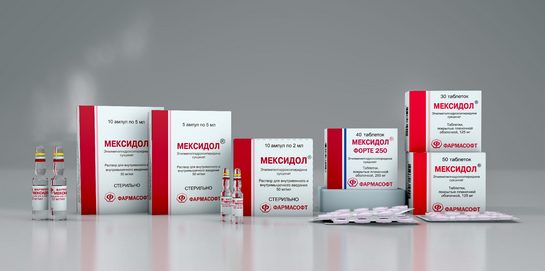
Modern rehabilitation after cerebrovascular accidents (CVA) is guided neuroplasticity. We use pharmacotherapy, including neuroprotective agents, physical therapy, cognitive training devices, and biofeedback technologies (exoskeletons, VR) to provide the brain with the correct "instructions" for restructuring.
Unity of Purpose on World Health Day
World Health Day 2026 is therefore an ideal opportunity to share a common goal:
- A healthy lifestyle is the best primary "neuroprotection" strategy for preventing CVD.
- Medicinal secondary prevention (control of blood pressure, lipid levels, taking antiplatelet agents and neuroprotectors, as prescribed by a doctor) is a continuation of neuroprotection for those who are at risk or have already suffered a vascular accident.
- Active rehabilitation , based on the principles of neuroplasticity, is a strategy for restoring lost functions when the disease has already struck.
For patients, World Health Day is a reminder of personal responsibility and simple but powerful steps to preserve their most important asset—health.
For doctors , this is a day of integration. You must be not only experts in treating acute conditions, but also leaders in prevention and rehabilitation architects who understand the language of neuroplasticity. Because the true goal is not just saving a patient after a stroke, but also returning them to a full, high-quality life. And this goal unites all our efforts—from global WHO recommendations to every new neural connection formed during the recovery process.