In February 2026, the 22nd interdisciplinary congress with international participation, "Vein Readings," concluded in Moscow. The event, a landmark opening of the "scientific year" in Russian neurology, brought together leading experts in neuroscience, therapy, and psychiatry. The three-day program became the epicenter of discussions on the most complex issues in the pathogenesis, diagnosis, and treatment of nervous system diseases in the era of polymorbidity.
The main thread running through the entire scientific agenda has become neurointegration —the search for common ground between neurology, somatic medicine, and psychiatry to create a holistic picture of human health.
Focus on comorbidity: key issues in pathogenesis and therapy
One of the significant scientific events of the first day of the congress was the satellite symposium "Neurointegration: Modern Approaches to Managing Patients with Comorbid Somatoneurological Pathology ," organized with the support of Vectorpharm LLC. The event attracted a wide audience of practicing physicians and researchers, confirming the high interest of the professional community in the problem of comorbid pathology.
Chaired by Professor Sergei Anatolyevich Zhivolupov, leading experts presented a comprehensive analysis of the mechanisms that link vascular events, cognitive deficits, and autonomic disorders . The key theme of the symposium was the need to select pathogenetically based therapy that takes into account the multifaceted clinical manifestations in patients with comorbidities.
"The modern patient dictates new rules. The division into narrow specialists is a thing of the past—today we must see the systemic picture of the disease. Only by understanding the deep pathophysiological connections between the nervous and vascular systems and internal organs can we develop truly effective, safe, and personalized therapy.".
The scientific discussion focused on three main thematic areas:
Antioxidant therapy for ischemic stroke:
Professor Stanislav Nikolaevich Yanishevsky presented a detailed analysis of the results of an international, multicenter, randomized, double-blind, placebo-controlled study evaluating the efficacy and safety of sequential therapy with ethylmethylhydroxypyridine succinate (Mexidol®) in patients in the acute and early recovery periods of ischemic stroke (RCT MIR). The report focused on assessing the role of antioxidant therapy during various stages of cerebral infarction. The expert detailed the impact of interventions on key components of the ischemic cascade, which provides new insights into the potential for improving functional outcomes in patients with ischemic stroke and optimizing patient management.
Pathogenetic approach to the correction of cognitive impairment.
Professor Sergei Anatolyevich Zhivolupov , in his speech, presented a deep analysis of the pathogenetic mechanisms of the development of cognitive disorders in patients with comorbid pathology.
“The choice of a therapeutic strategy cannot be a template; it must be based on the identification of the dominant mechanism of damage: vascular, neurodegenerative, or dysmetabolic.”.
Vegetative and anxiety disorders: differential diagnosis and approaches to therapy
Professor Evgeny Sergeyevich Kurasov addressed the complex issue of symptom variability in autonomic dysfunction and anxiety disorders . The presentation presented clear diagnostic algorithms that allow us to differentiate between psychogenic and organic causes of autonomic imbalance. This is a critical aspect of patient care, as their complaints often mask or mimic serious somatic pathologies, requiring fundamentally different treatment approaches.
Scientific dialogue and practical perspectives
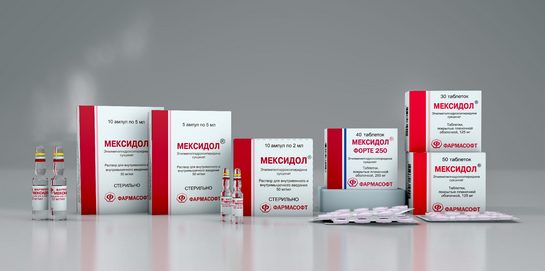
During the symposium and subsequent discussions, experts repeatedly returned to the issue of finding universal "therapeutic targets" in clinical cases involving patients with combined vascular, neurological, and somatic pathologies. A logical development of this topic was a discussion of the clinical experience with Mexidol (ethylmethylhydroxypyridine succinate), which was viewed by participants as a drug with proven efficacy in correcting energy deficiency and oxidative stress—the key triggers of the pathological cascade in ischemia, acute and chronic ischemic disorders, and autonomic imbalance.
Post-Stroke Rehabilitation: A World of Modern Technologies and Real Possibilities
Saule Tleubergenovna Turuspekova , Chief Neurologist of the Ministry of Health of the Republic of Kazakhstan and Head of the Department of Nervous Diseases at the S.D. Asfendiyarov Kazakh National Medical University
Focus on the MIR study: International data on neuroprotection
During her lecture, Professor Turuspekova presented the results of the international multicenter randomized trial (RCT) MIR, which involved 17 centers in Russia, Kazakhstan, and Uzbekistan and demonstrated a significant improvement in functional outcomes in patients with ischemic stroke treated with Mexidol. These scientific data opened the door to a fruitful dialogue between specialists from different countries on antioxidant therapy for cerebrovascular diseases.
«No cutting-edge technology can replace a well-designed neuroplasticity strategy and a multidisciplinary approach, where each intervention has a strictly defined place and time.”.
The 22nd Vein Readings confirmed its status as one of the country's leading interdisciplinary platforms. The organizers succeeded in creating an environment for vibrant professional dialogue, where fundamental science meets clinical practice, setting new directions for the development of Russian neurology.